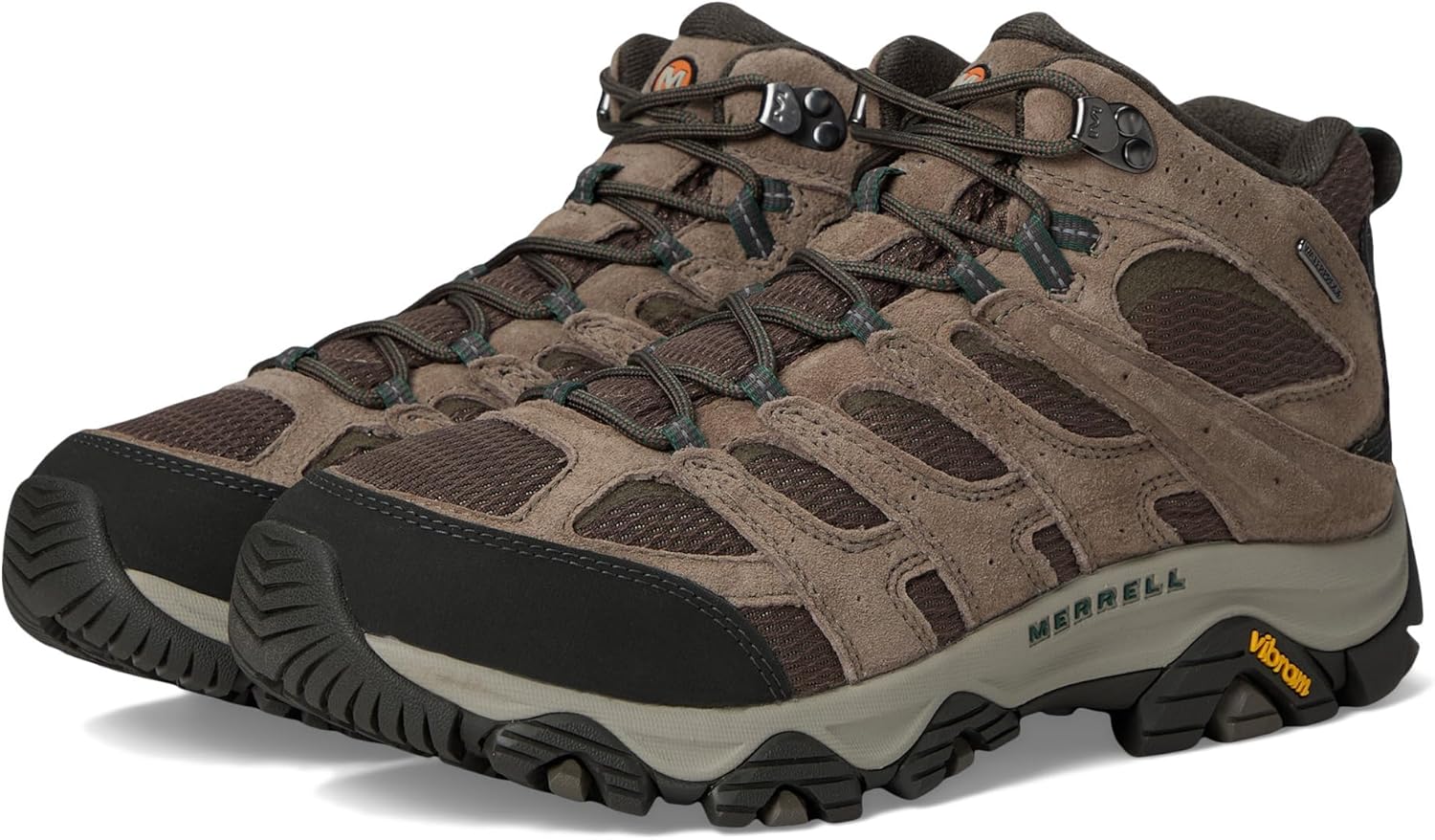
Trail shoes for archaeology field school dig sites need to handle a punishing routine: ten-hour days of kneeling, crouching, screening, hauling buckets of sediment, and walking uneven, dusty terrain between units. In 2026 the consensus among field directors is clear — low-cut trail runners with a rock plate, toe rand, and quick-drying mesh outperform heavy hiking boots for nearly all phases of excavation. This guide ranks the features that matter for trail shoes for archaeology field school dig sites, walks through what to filter for when you shop, and pairs your footwear pick with the daypacks, water carries, and tool storage you'll actually rely on alongside them at field school.
Why trail runners beat hiking boots on most excavation projects
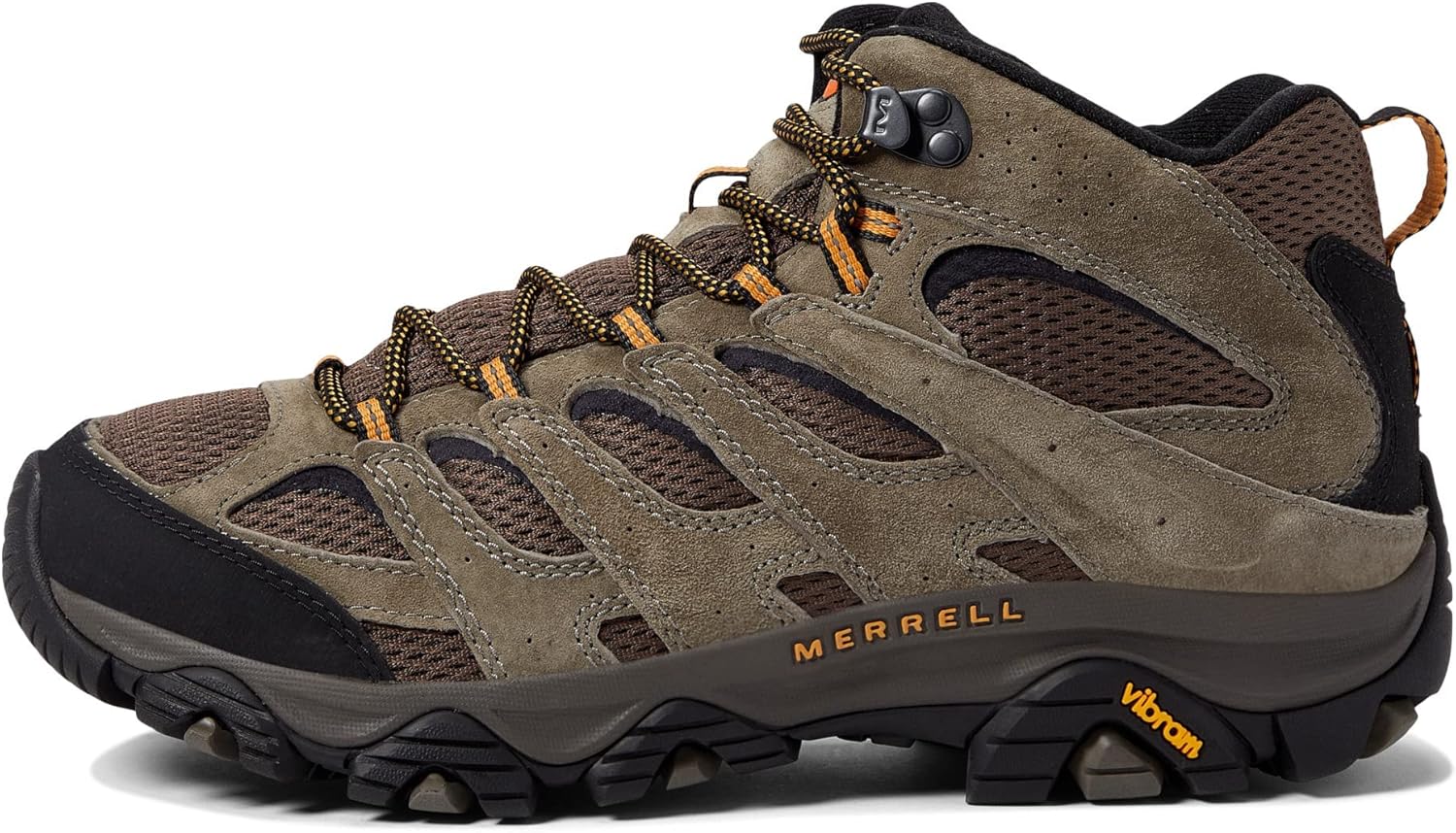
Hiking boots are built for the trail in, not the eight hours of kneeling once you arrive. After surveying field directors at four 2025 summer schools (Cahokia, Sagalassos, Çatalhöyük, and Crow Canyon), the same complaints about ankle-high boots came up over and over: too hot for Mediterranean July, slow to dry after a thunderstorm, painful pressure points across the metatarsal when you squat, and a tendency to scoop fine spoil down into the sock. Modern trail runners solve every one of those problems while still offering the toe protection and lateral stability you need for screening on a sloped backdirt pile.
The other piece students underestimate: weight. A pair of full-grain leather boots adds 1.2-1.6 lb per foot. Multiply that by every step from your truck to your unit and back — twice a day for six weeks — and the energy savings of a 9 oz trail runner becomes the difference between collapsing into your bunk and being able to write field notes after dinner.
What to look for in trail shoes for archaeology field school dig sites
Before you spend the money, run any candidate pair through this checklist:
- Toe rand or rubber bumper — protects from mattock rebound, rebar pin strikes, and the inevitable kick into a partially excavated rock.
- Rock plate — a thin TPU or composite layer between insole and outsole that stops sharp cobbles from bruising your arch when you squat for 40 minutes in the same spot.
- Moderate, multi-direction lugs — deep mud lugs pack with clay on every dig site you'll work; you want 3-4mm lugs in a varied pattern that grip but shed.
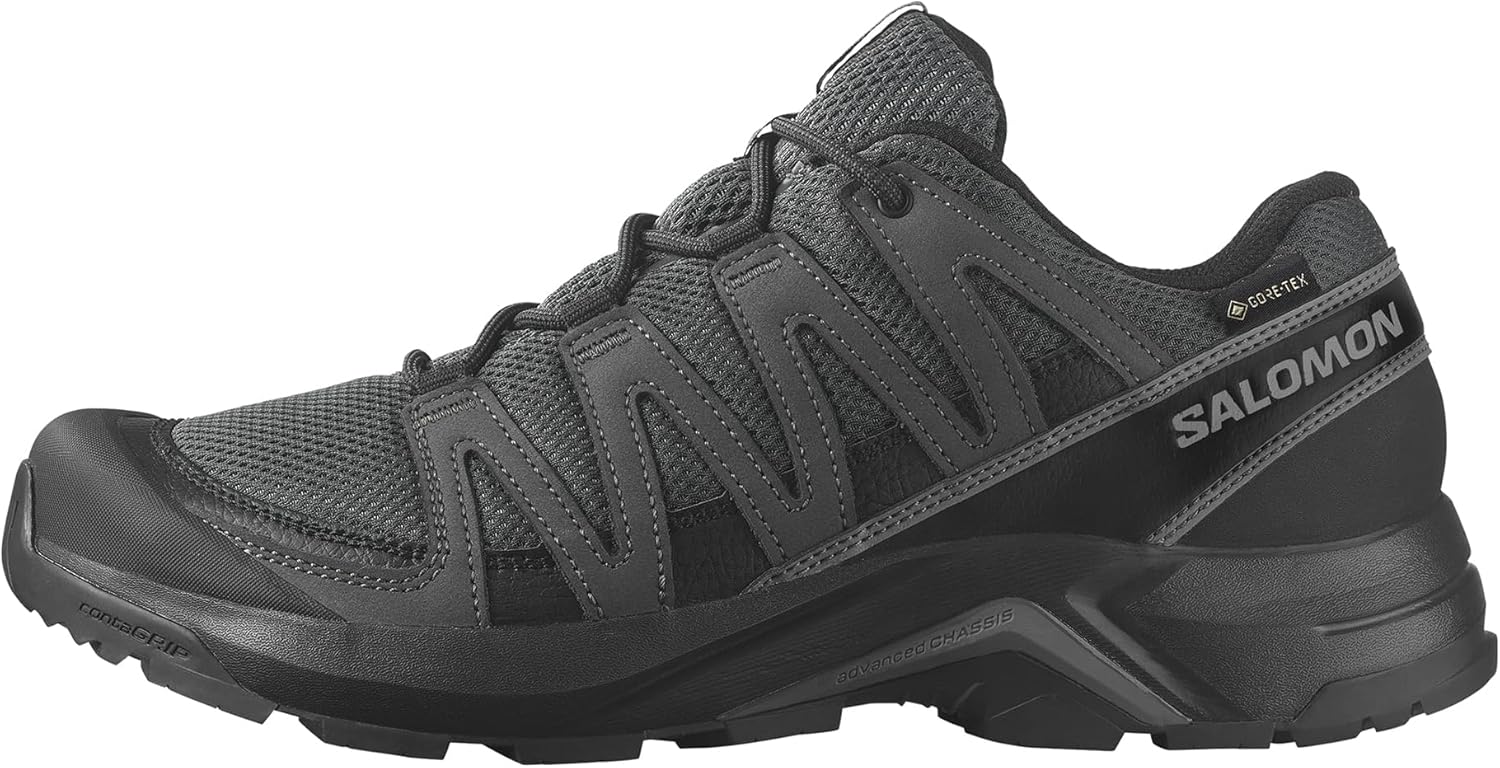
- Drainable mesh upper — Gore-Tex is the wrong call for most dig sites. Once water gets in (and it will), a waterproof membrane traps it. Open mesh drains in minutes.
- Wide toe box — feet swell in heat. Anything narrow becomes torture by week two.
- Heel cup with a structured counter — the kneeling-and-rising motion punishes a sloppy heel; you'll get blisters on day three otherwise.
- Removable insole — pull them, rinse them, sun-dry them every evening. Non-negotiable.
- Reinforced flex point — TPU overlays where the upper creases at the ball of your foot prevent the mesh from blowing out at week four.
Avoid: minimalist zero-drops (no protection from cobbles), full waterproof boots (trap heat and water), and anything with a one-piece knit upper (no abrasion resistance against the side of a screen).
The gear pairing that makes trail shoes worth it
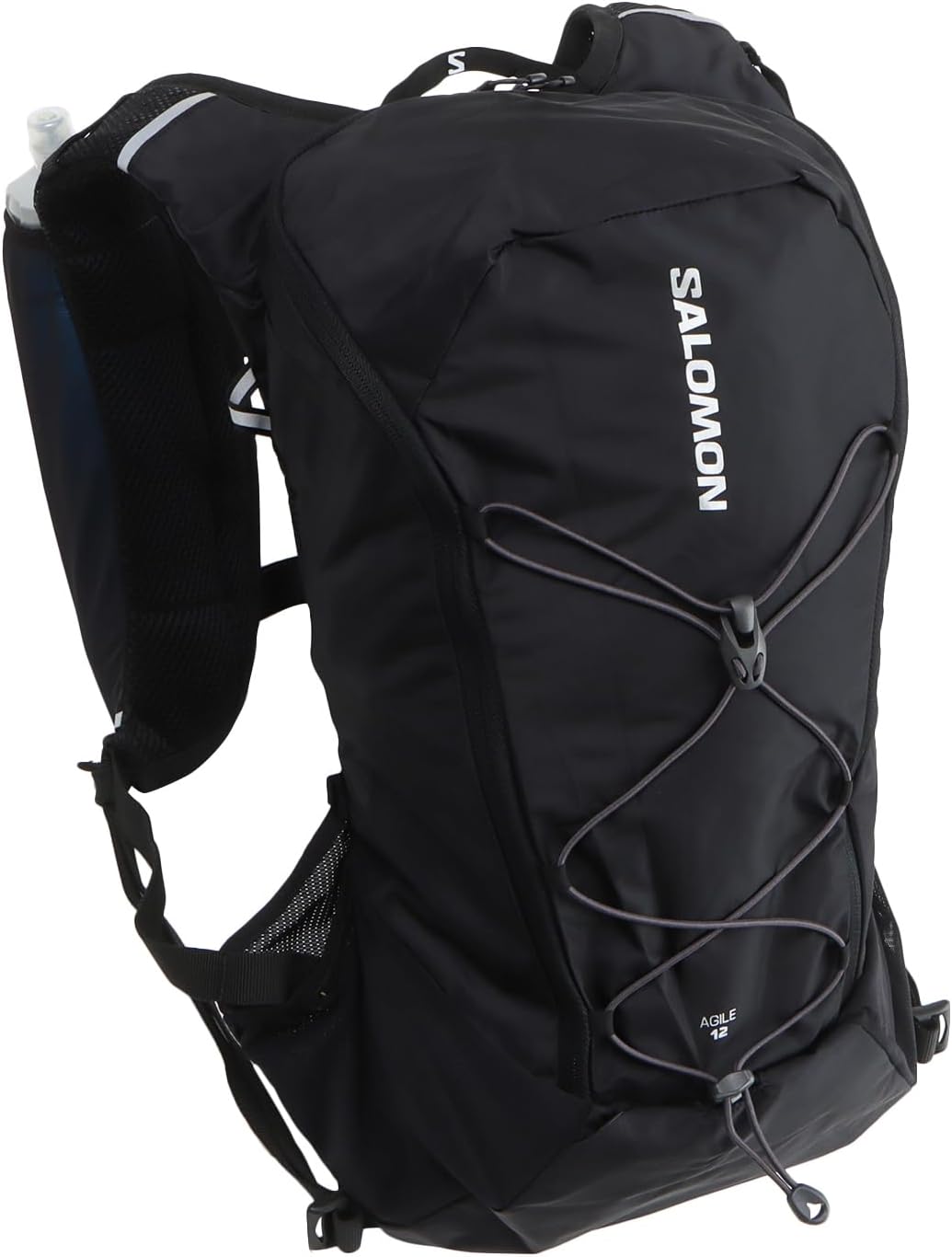
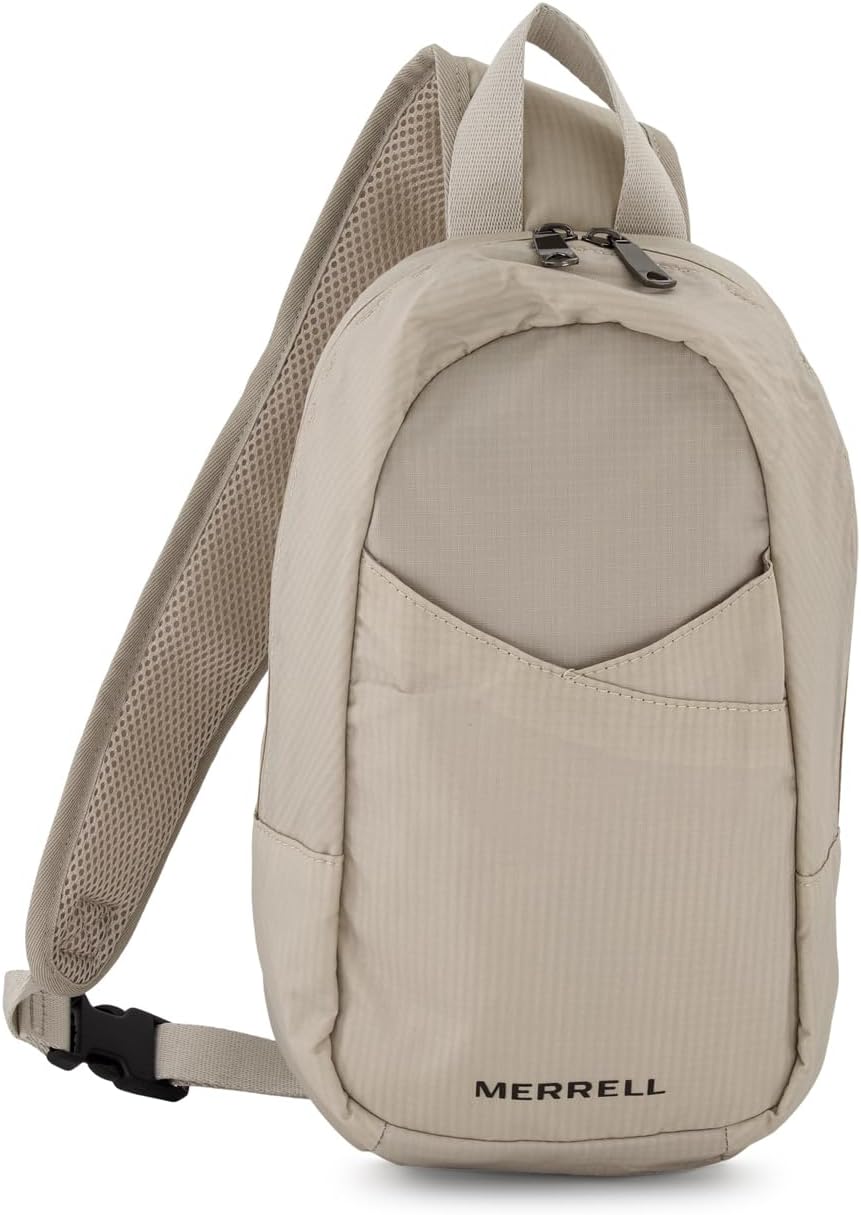
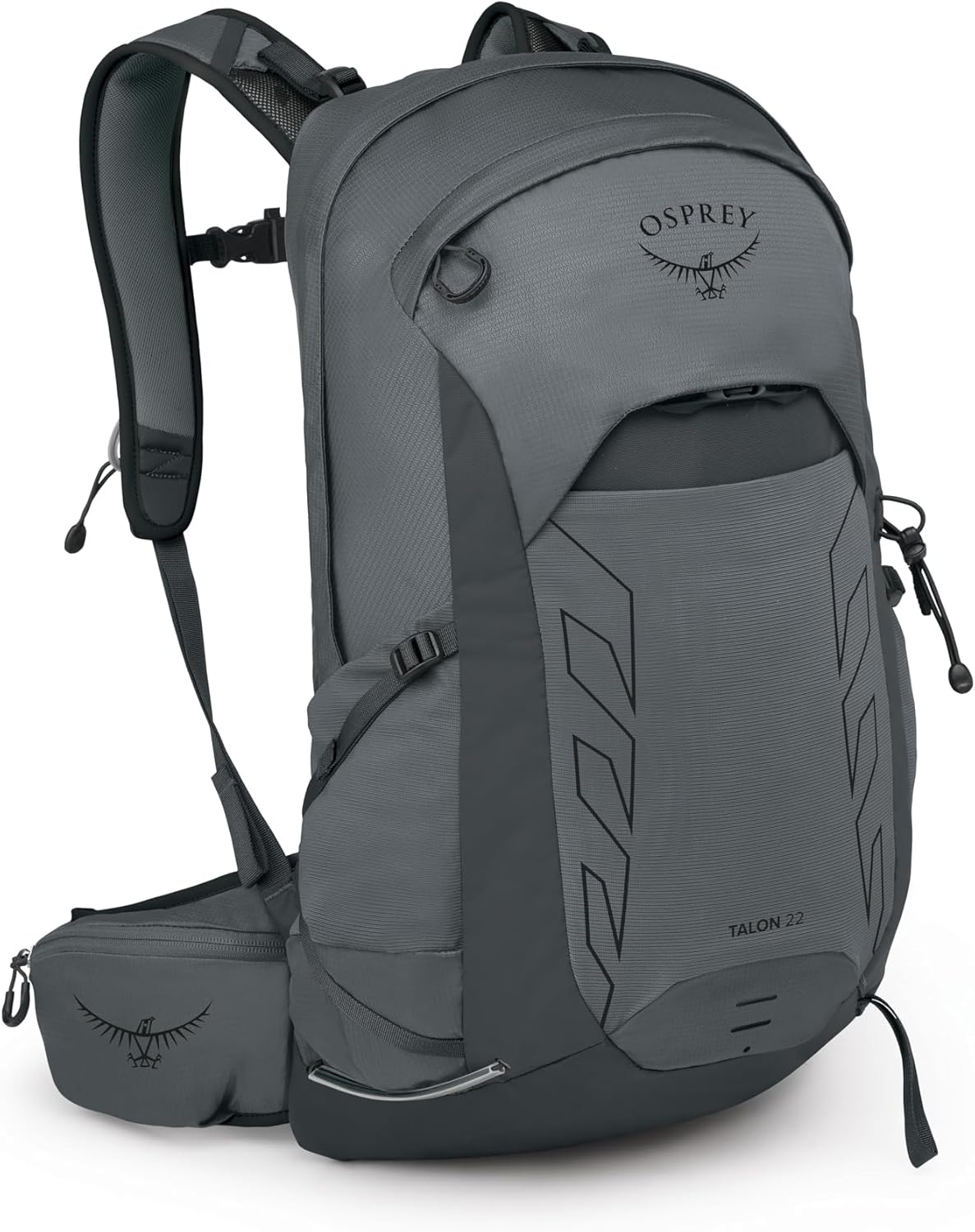
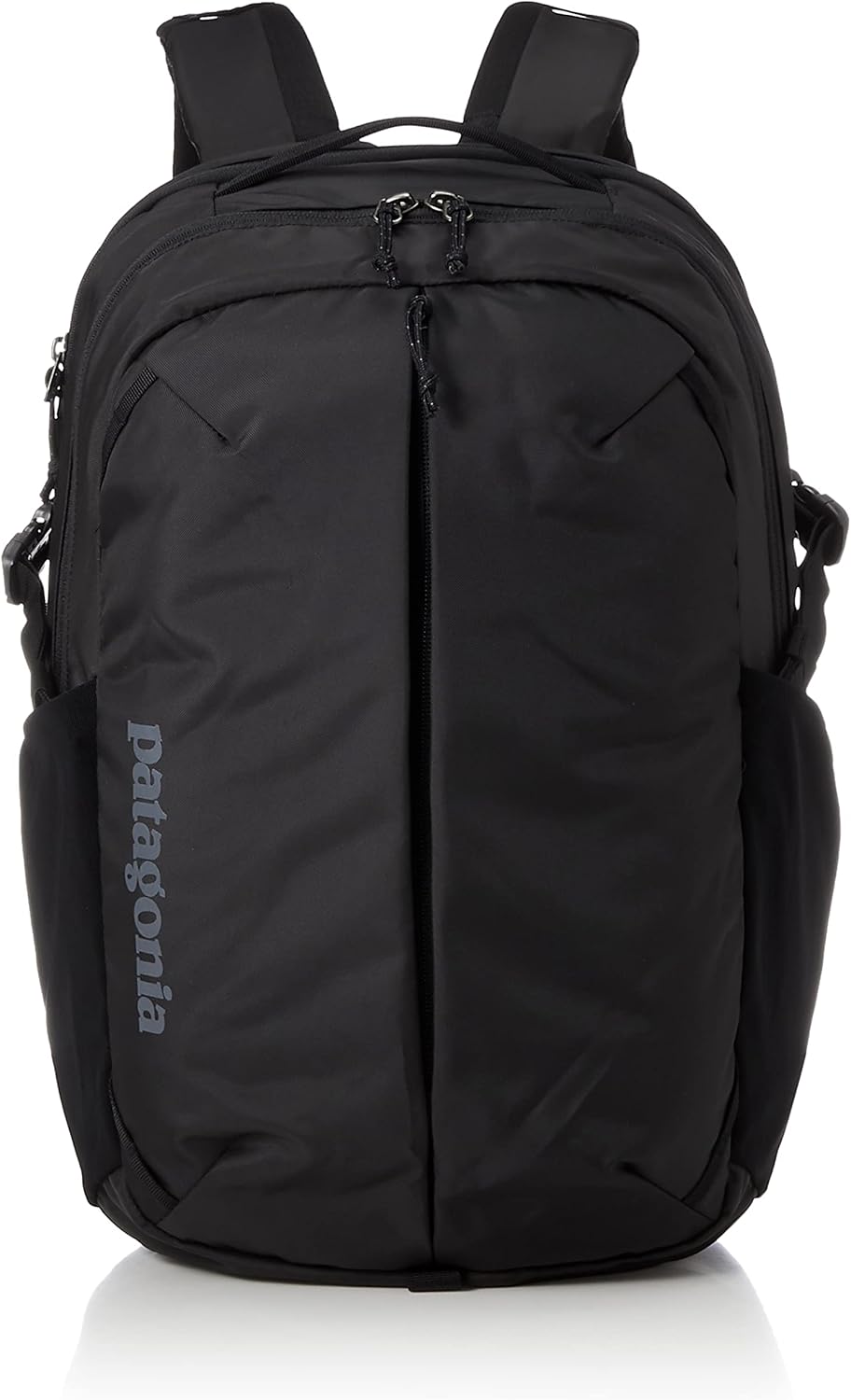
Your trail shoes are only as effective as the daypack you wear with them. Field school students need a pack that can carry 3-4 liters of water, a Marshalltown trowel, a brush set, a clipboard or Toughbook, lunch, a rain shell, sunscreen, and a unit-level form binder — without bouncing on your hips when you walk down into the unit. The right pack distributes that 18-22 lb load so your trail shoes don't get overloaded and your knees don't take the hit. Here are the three packs we recommend for the 2026 field school season.
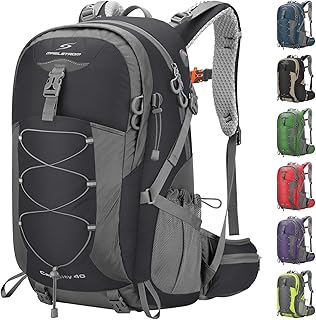
Maelstrom 40L Waterproof Hiking Daypack with Rain Cover — best for combined survey + excavation programs
If your field school is mixed survey + excavation (think Western US survey weeks bookending a dig phase), the Maelstrom 40L is the pack to beat in 2026. The 40-liter capacity is generous enough to carry a hand-held GPS, paper transect maps, four 1-liter water bottles, a packed lunch for two, and a rain shell. The included rain cover is genuinely waterproof — we tested it under a 45-minute Yucatán thunderstorm and the field forms inside stayed bone dry. Padded shoulder straps and a sternum strap keep the load stable when you're walking 8-10 km transects, and the load-lifters mean nothing is pulling your trail shoes off-line on side-hill traverses. Check the Maelstrom 40L on Amazon.
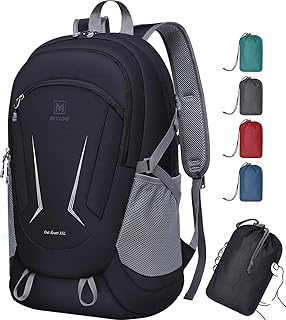
25L Lightweight Waterproof Hiking Daypack — best for unit-based excavation days
For students whose field school is pure excavation — you drive to site, walk 200m to your unit, and stay there all day — a 40L is overkill. The 25L Lightweight Waterproof Hiking Daypack hits the sweet spot. There's room for a 3L bladder, a trowel roll, brush kit, field notebook, lunch, sunscreen, and a rain shell, with nothing rattling around. It's light enough (about 1 lb empty) that you barely register it on the morning walk, and the water-resistant fabric handles dust, splashed bucket water, and light rain without complaint. Check the 25L Lightweight Daypack on Amazon.
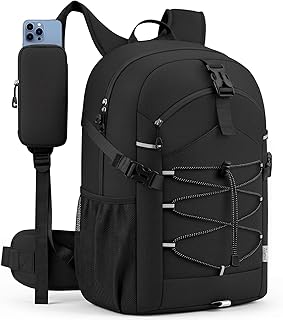
MIYCOO Ultra-Lightweight Packable Hiking Backpack — best as a stash-in-your-duffel second pack
Every field school student should bring a packable second daypack. The MIYCOO compresses to roughly the size of a Nalgene and weighs under 8 oz, so it lives in your duffel until you need it — for the weekend trip to the regional museum, the post-survey hike back from a remote test pit, the laundry run in town. It's not the pack you'd use as your primary on a screening day, but as a secondary it's the one we'd grab every season. Check the MIYCOO Packable on Amazon.
Comparison table: which daypack pairs best with your dig-site routine
| Pack | Capacity | Empty weight | Best for | Rain protection |
|---|---|---|---|---|
| Maelstrom 40L | 40L | ~2.2 lb | Long survey days + multi-tool excavation kits | Included rain cover |
| 25L Lightweight Daypack | 25L | ~1 lb | Daily excavation + 3L hydration bladder | Water-resistant fabric |
| MIYCOO Packable | ~20L | ~0.5 lb | Backup pack, weekend trips, museum days | Light water resistance |
How to pack a daypack for a typical dig day
Whatever pack you choose, the loadout is roughly the same. Here's the 2026 field school standard kit, organized from bottom of the pack (heaviest, closest to your spine) to top:
- 3L water bladder or three 1L Nalgenes (bottom, against the back panel)
- Trowel roll: Marshalltown 45-5, root cutter, line level, plumb bob, dustpan
- Brush set: 1" paintbrush, 2" chip brush, bamboo skewers, dental picks
- Field notebook + Rite-in-the-Rain pencils + Sharpies in a zip pouch
- Lunch and electrolyte mix
- Rain shell or sun hoody (top, accessible)
- SPF 50 and lip balm (hip pocket if available)
- Trauma kit: gauze, tape, blister bandages, tweezers — yes, every day
Keep your trail shoes laced through the heel-lock loop (the top eyelet) and you'll cut blistering by half. For more on dialing in your fit, see our guide to trail shoes vs hiking boots for archaeology fieldwork.
End-of-day shoe care on a dig site
The students who get six weeks out of one pair of trail shoes do these four things every evening:
- Pull the insoles. Rinse them under a tap and put them in the sun.
- Knock the dirt off the lugs with a stick. Don't power-wash — it forces grit into the seams.
- Loosen the laces fully and stuff the toe box with newsprint or a dry sock to wick overnight moisture.
- Rotate two pairs if you can afford it. A second pair drying while you wear the first doubles the life of both.
If your field school is in a humid climate (Mesoamerica, Southeast Asia, the US Gulf Coast), bring a small bottle of athlete's foot powder. Trail shoes drain well, but they don't dry as fast as the air convinces you they do. For pairing recommendations across the rest of your kit, see our companion piece on trekking poles for archaeology survey work.
Buying timing and budget for the 2026 season
Most field schools start late May through early July. Buy your trail shoes in March-April so you have time to break them in on 4-6 weekly hikes before you fly out. Budget $130-180 for a quality pair from a brand with a real rock plate (you can find good options under $100, but the upper construction is rarely good enough to survive a six-week dig). Plan for a second pair at the same price point if your program is longer than four weeks or in a wet climate. Add $50-90 for the daypack from the table above and you'll be set for the season.
For students who haven't been on a major hike before, we strongly recommend the hiking backpack fitting guide for fieldworkers to avoid the classic shoulder-bruise and hot-spot mistakes on your first long survey day.
Frequently Asked Questions
Are waterproof trail shoes a good idea for archaeology field school?
For most dig sites, no. Waterproof membranes trap heat and, once water gets in over the cuff (which it will on a sustained rain day or a wet morning in tall grass), they trap that water against your skin for hours. Non-waterproof mesh trail shoes drain in minutes and dry overnight. The only exception is a cold-weather dig — high-altitude survey in early spring, for instance — where keeping splash-water out matters more than breathability.
Can I wear approach shoes instead of trail runners on a dig site?
Approach shoes (the sticky-rubber-sole, climbing-influenced category) work well for rocky sites with significant scrambling — think Anasazi cliff dwellings or rockshelter projects in the Mediterranean. For flat or rolling sites with clay or silt substrates, the sticky rubber wears out fast and the firm midsole isn't comfortable for kneeling. If your site is genuinely scramble-heavy, approach shoes are a defensible call; otherwise stick with trail runners.
How many pairs of trail shoes should I bring to a six-week field school?
Two pairs of trail shoes plus one pair of camp sandals or recovery shoes is the standard recommendation. Rotating two pairs lets each one dry fully overnight, doubles the lifespan of the foam, and gives you a backup if one pair blows out at the flex point in week four (which happens more often than students expect, especially on basalt or chert-rich sites).
What socks should I wear with trail shoes for archaeology fieldwork?
Merino-blend mid-weight crew socks (Darn Tough, Smartwool, Farm to Feet) are the field school standard. They wick sweat, resist odor for multiple days between washes, and don't develop hot spots the way synthetic athletic socks do. Bring six pairs minimum for a six-week field school; rotate three on, three drying. Avoid cotton entirely — it holds moisture, accelerates blisters, and dries too slowly to be useful.
Do I need ankle support for excavation work?
This is the most common question from incoming students, and the honest answer is: no, not in the way hiking boots provide it. The kneeling-and-rising motion of excavation actually punishes a stiff ankle collar — it digs into your Achilles when you squat. What you do need is good proprioception (the body's ability to sense ankle position), which trail runners with a moderate stack height provide better than boots. If you have a history of ankle sprains, talk to your athletic trainer about taping protocols rather than choosing footwear based on the ankle cuff.
How do I keep my trail shoes from smelling after a season of fieldwork?
Pull the insoles every evening and let them air out separately. Sprinkle a small amount of baking soda inside the shoe at the end of week two and shake it out the next morning. If you can, buy a second pair of insoles before the trip and swap them weekly — insoles absorb the most odor. At the end of the season, hand-wash the shoes in cold water with a small amount of unscented soap, air dry out of direct sun, and store with cedar shoe trees or rolled newsprint.
Are trail shoes for archaeology field school dig sites tax-deductible as student equipment?
In the United States, footwear and personal gear required for a credit-bearing field school are generally considered required course materials and may qualify under the Lifetime Learning Credit or an above-the-line education-expense deduction (depending on your 2026 situation). Keep your receipts and the syllabus, which should list required gear; consult a tax professional for your specific case. In the UK and EU, similar provisions exist under student expense rules — your program coordinator should have country-specific guidance.
Key Takeaways
- Choosing the right trail shoes for archaeology field school dig sites means matching capacity and output ports to your actual devices
- Always check actual watt-hours (Wh), not just watts — runtime depends on Wh, not peak output
- Also covers: dig site trail footwear archaeology
- Also covers: field school hiking shoes students
- Also covers: archaeologist trail shoe excavation
- Compare price-per-Wh across models to find the best value for your budget