If you're shopping for trail shoes for diabetic hikers with neuropathy who walk gravel paths, the four non-negotiables are a wide, anatomical toe box, generous midsole cushioning (28mm+ stack), a low 0–6mm heel-to-toe drop, and a seamless, plush interior that won't create hot spots on numb feet. Add a rock plate to deflect sharp gravel, a Vibram or Continental outsole for predictable traction, and lacing that distributes pressure evenly across the instep. In 2026, the best options come from Altra, Hoka, Topo Athletic, and Brooks—brands that publish diabetic-friendly fit specs and offer extra-wide widths.
Why neuropathy changes how you choose trail shoes
Peripheral neuropathy dulls or eliminates the feedback loop your feet normally use to warn you about trouble. A pebble lodged against the fifth metatarsal, a wrinkled sock, a seam pressing on the big toe, a stone bruise from a sharp piece of gravel—none of those signals reach your brain the way they would in a non-diabetic hiker. By the time you take your shoes off at the trailhead, a small abrasion can already be a blister, and a blister on a diabetic foot can be a six-week wound-care problem.
Choosing the right pair of trail shoes for diabetic hikers with neuropathy is therefore a prevention strategy, not just a comfort upgrade. The shoe has to do the sensing your nerves can't: spread pressure, absorb impact, exclude debris, and stay glued to loose gravel so you don't roll an ankle on terrain you can barely feel.
The seven features that matter most on gravel
1. Wide, anatomical toe box. Diabetic feet swell during exercise and toes need room to splay without rubbing. Look for foot-shaped lasts (Altra Lone Peak, Topo Terraventure, Hoka Anacapa Wide). Avoid tapered toe boxes that bunch toes against each other—classic ulcer territory.
2. High stack, soft midsole. A 28–35mm stack with EVA or supercritical foam soaks up gravel point-loads. Hoka and Brooks Cascadia 17 lead the category here in 2026.
3. Rock plate. A nylon or TPU plate between the midsole and outsole deflects sharp stones. Without one, a single pointed pebble can bruise a metatarsal head you can't feel.
4. Low to zero drop, if your Achilles tolerates it. Lower drops (0–6mm) keep pressure off the forefoot, which is where most diabetic ulcers form. Transition gradually if you're coming from 10mm+ shoes.
5. Seamless, plush interior. Bootie-construction uppers eliminate stitched seams that abrade numb skin. Run your hand around the inside—every ridge you feel is a potential hot spot.
6. Gusseted tongue and debris-resistant collar. Gravel that gets inside the shoe is the single most common cause of mid-hike foot trauma. A gusseted tongue seals the opening; pair with low gaiters on dusty trails.
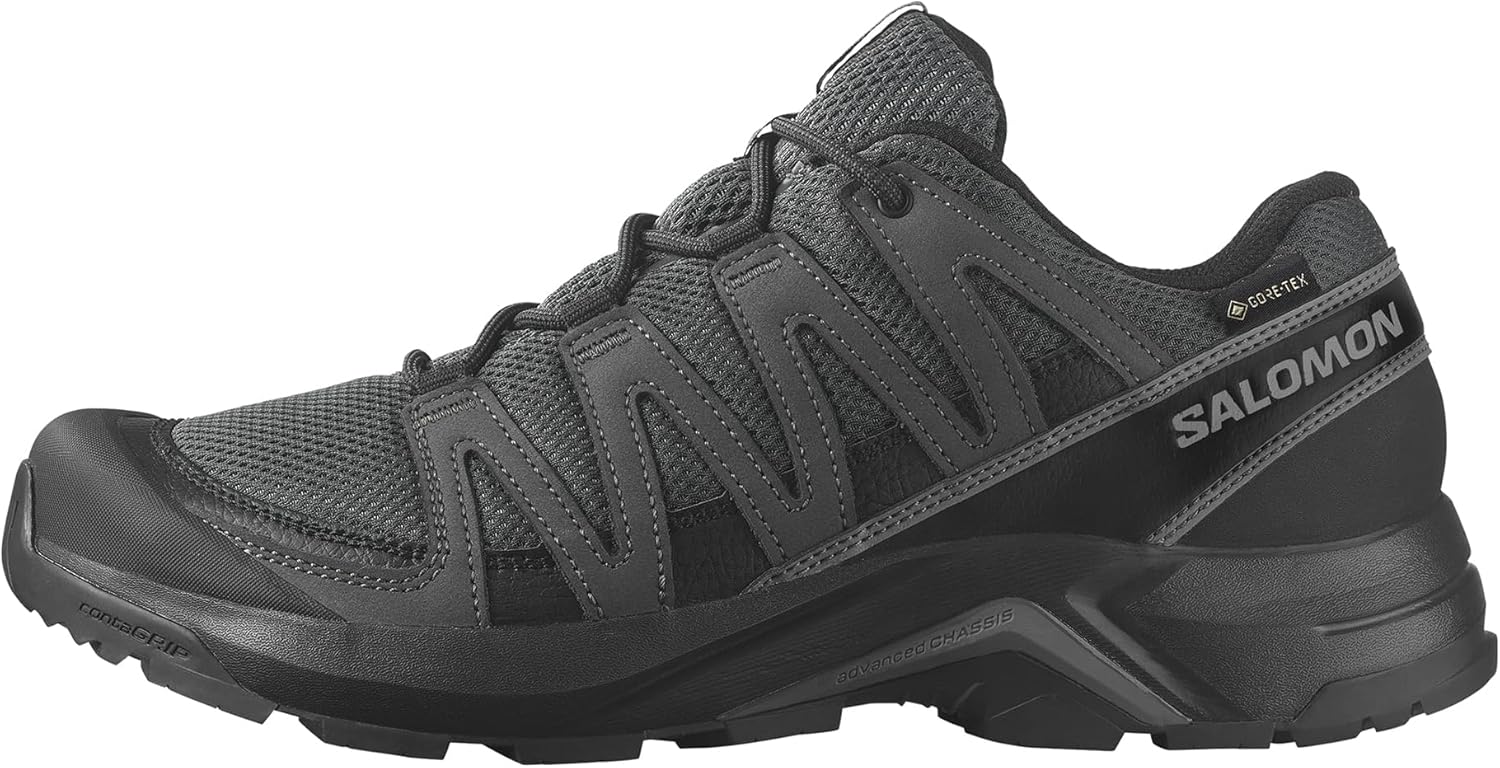
7. Sticky, lugged outsole. Vibram Megagrip, Continental rubber, or Hoka's own compound offer dependable traction on loose gravel. 4–5mm lugs are the sweet spot—deeper than a road shoe, shallower than a mountain runner.
How to fit trail shoes when your feet can't tell you
Standard fit advice ("if it feels good, it is good") fails when your feet can't feel. Use these objective checks instead:
Measure both feet late in the day, when swelling peaks. Buy for the larger foot and 0.5–1.0 size larger than your street shoe to leave a full thumb's width past the longest toe.
Do the wet-paper test at home. After a 30-minute walk, take the shoes off and inspect feet for red pressure marks. Any redness lasting more than 10 minutes is a fit problem, full stop. Return the shoe.
Lace with a heel-lock (runner's loop). This locks the heel without crushing the instep, where many diabetics have fragile skin over bony prominences.
Test with the socks you'll actually hike in. Diabetic-specific socks (Thorlos Experia, Balega Enduro Diabetic, Wrightsock double-layer) add 2–3mm of loft—enough to change fit. See our companion guide on hiking socks for neuropathy for sock pairings that match each shoe.
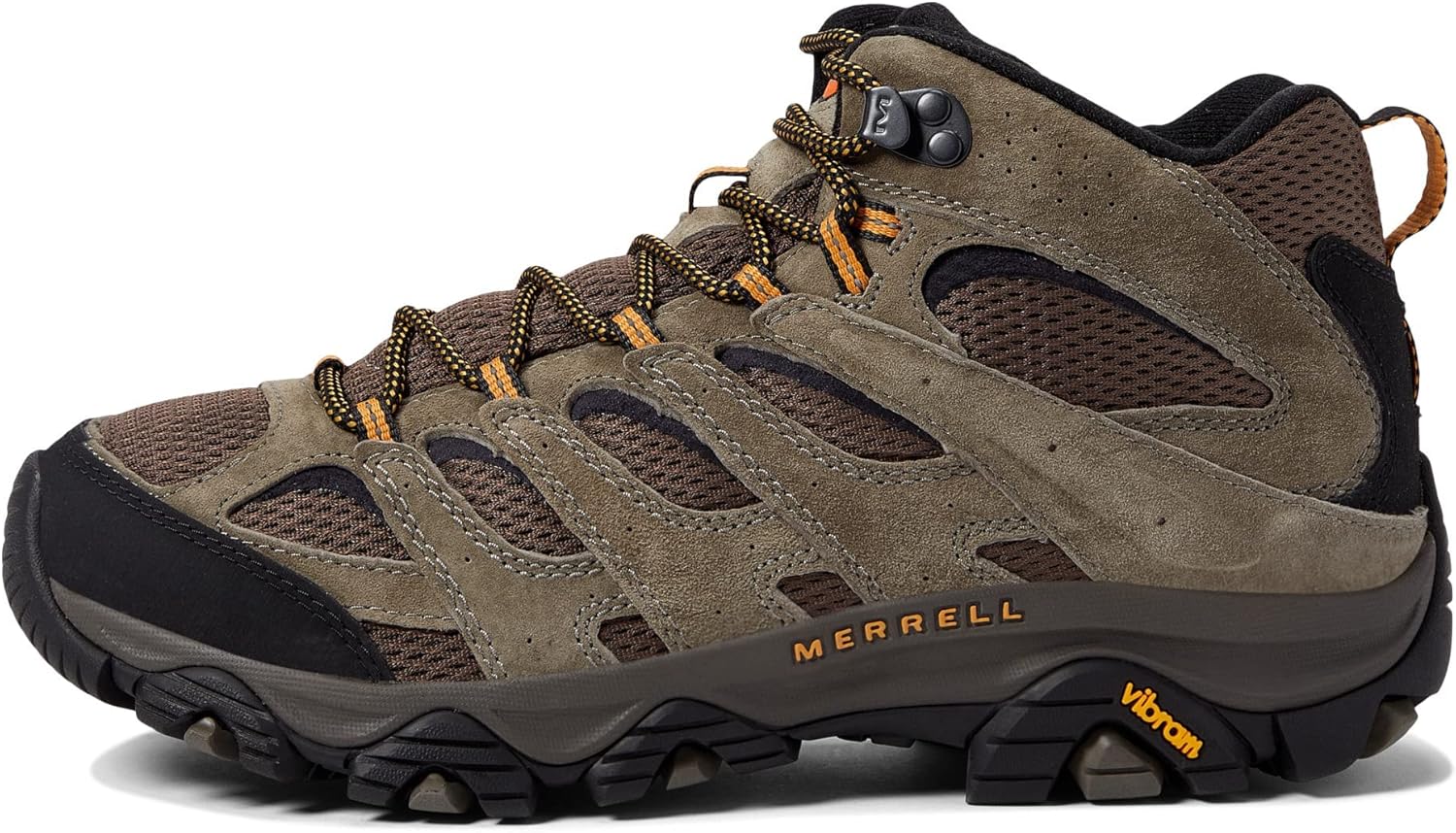
Top trail shoe categories for diabetic hikers in 2026
Maximum-cushion category: Hoka Anacapa 2 Low GTX (wide), Hoka Speedgoat 6 Wide, and Brooks Cascadia 17. These deliver 30mm+ of midsole that essentially mutes gravel point-loads. Best for day hikes on rocky, loose surfaces.
Zero-drop, foot-shaped category: Altra Lone Peak 9 and Altra Olympus 6. The toe box is the widest in mainstream hiking footwear—ideal if you've ever had a toenail issue or a forefoot ulcer.
Stability category: Topo Terraventure 4 and Brooks Cascadia 17 GTX. Wider platforms and modest stack heights help hikers who use trekking poles and need predictable footing. Pair with the picks in our best trekking poles for balance roundup.
Plantar-conscious category: If you also deal with arch pain, our best trail shoes for plantar fasciitis guide overlaps heavily with diabetic-friendly picks since both conditions reward high stack and rocker geometry.
Gear that pairs with your trail shoes
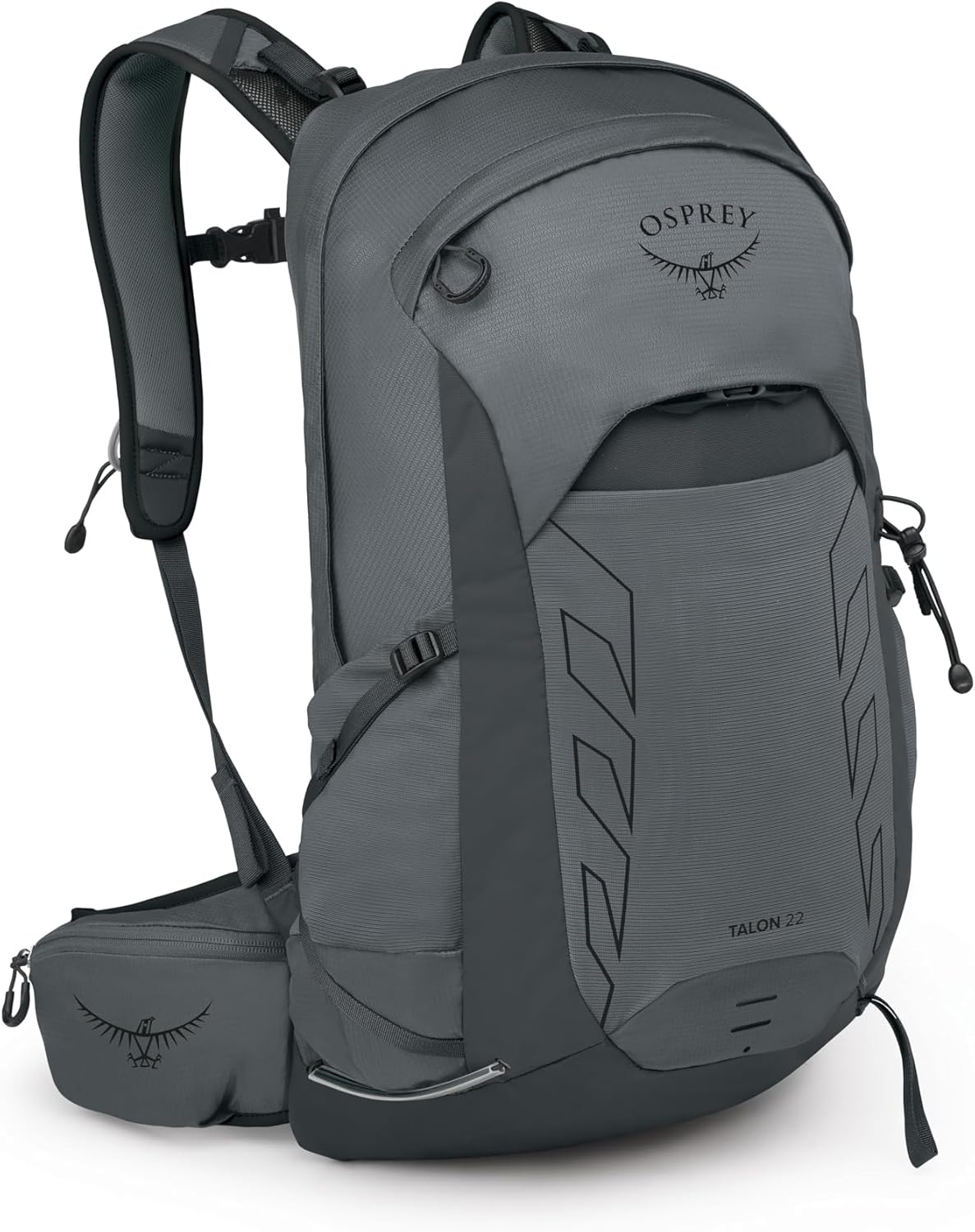
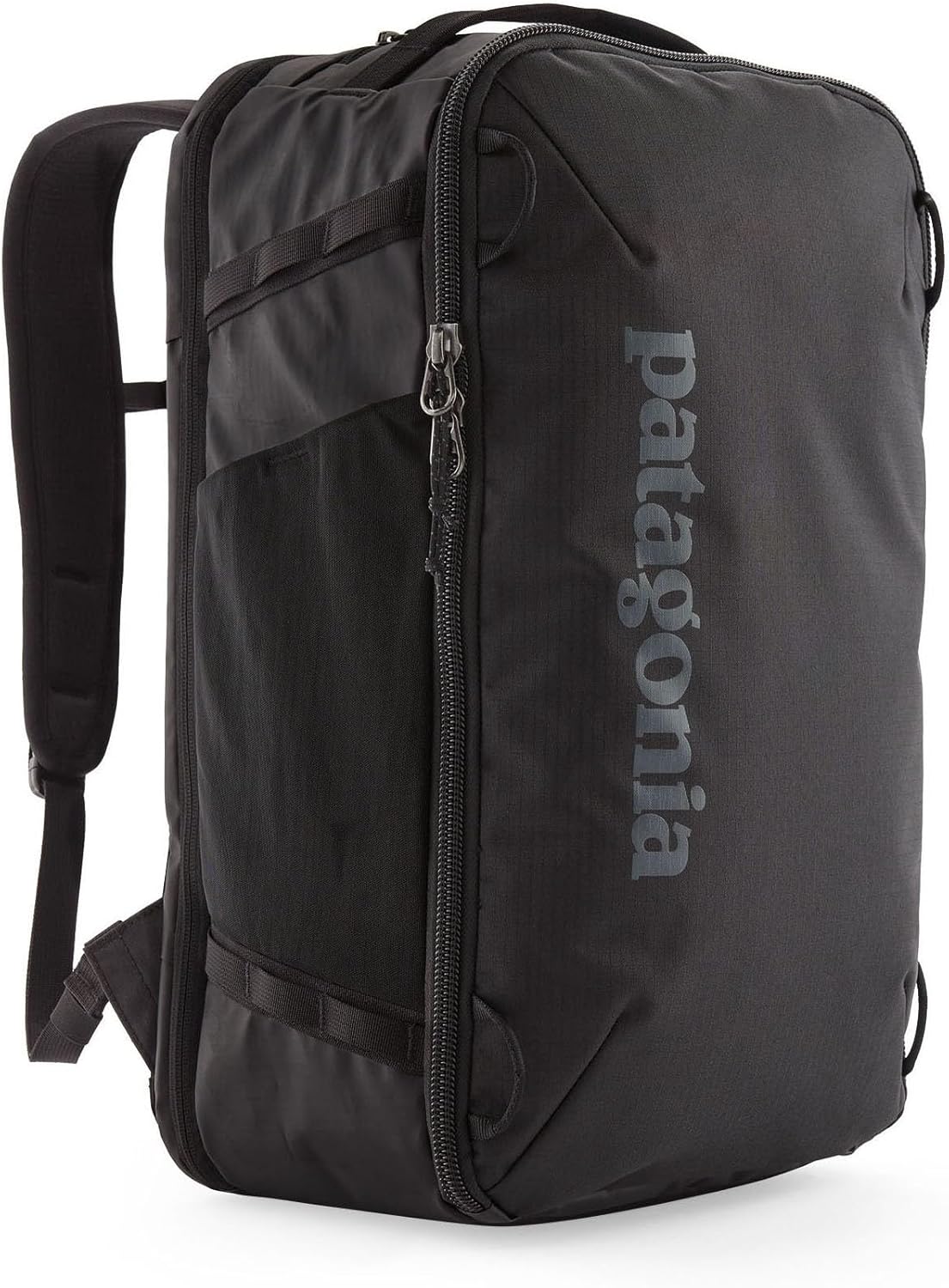
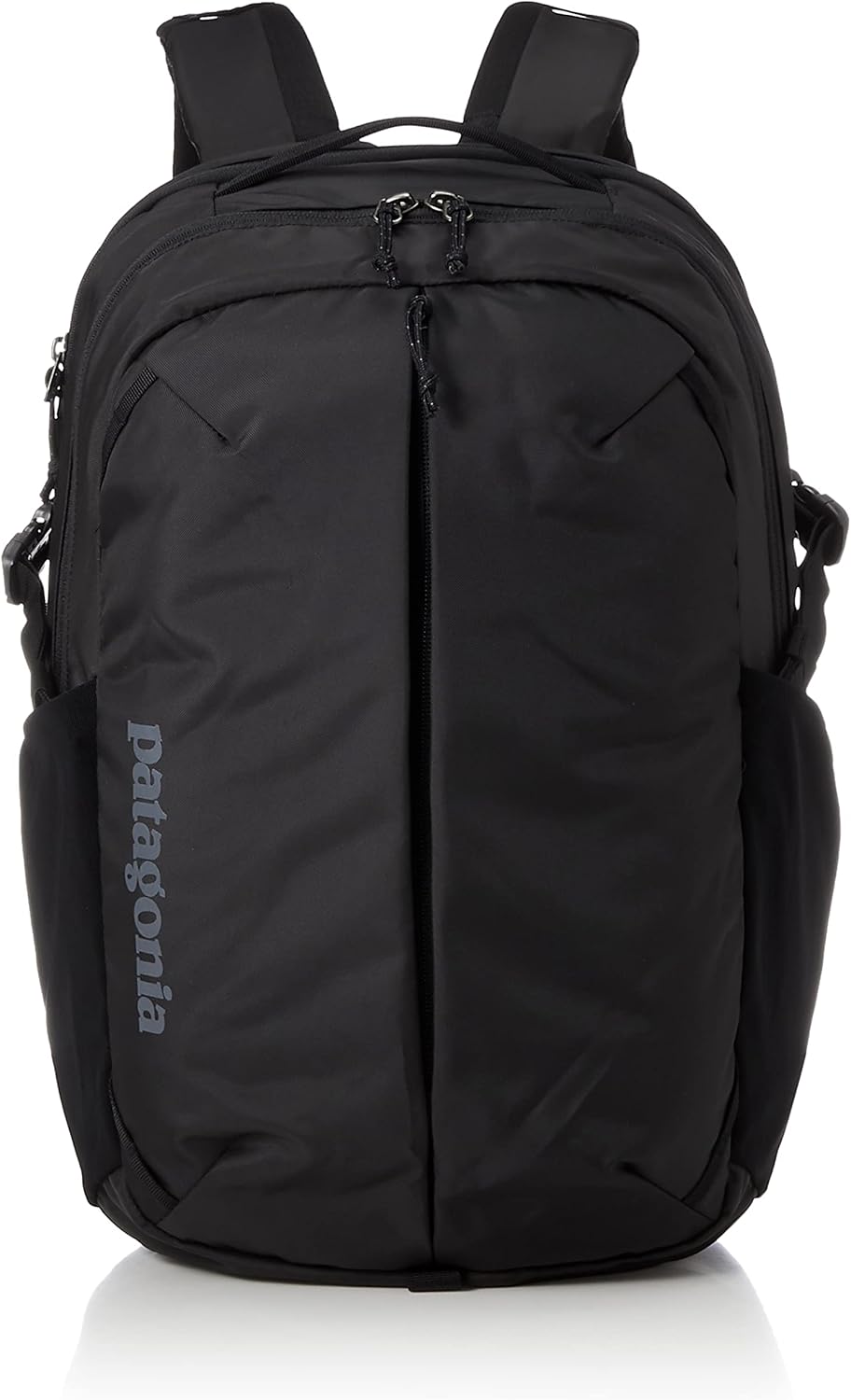
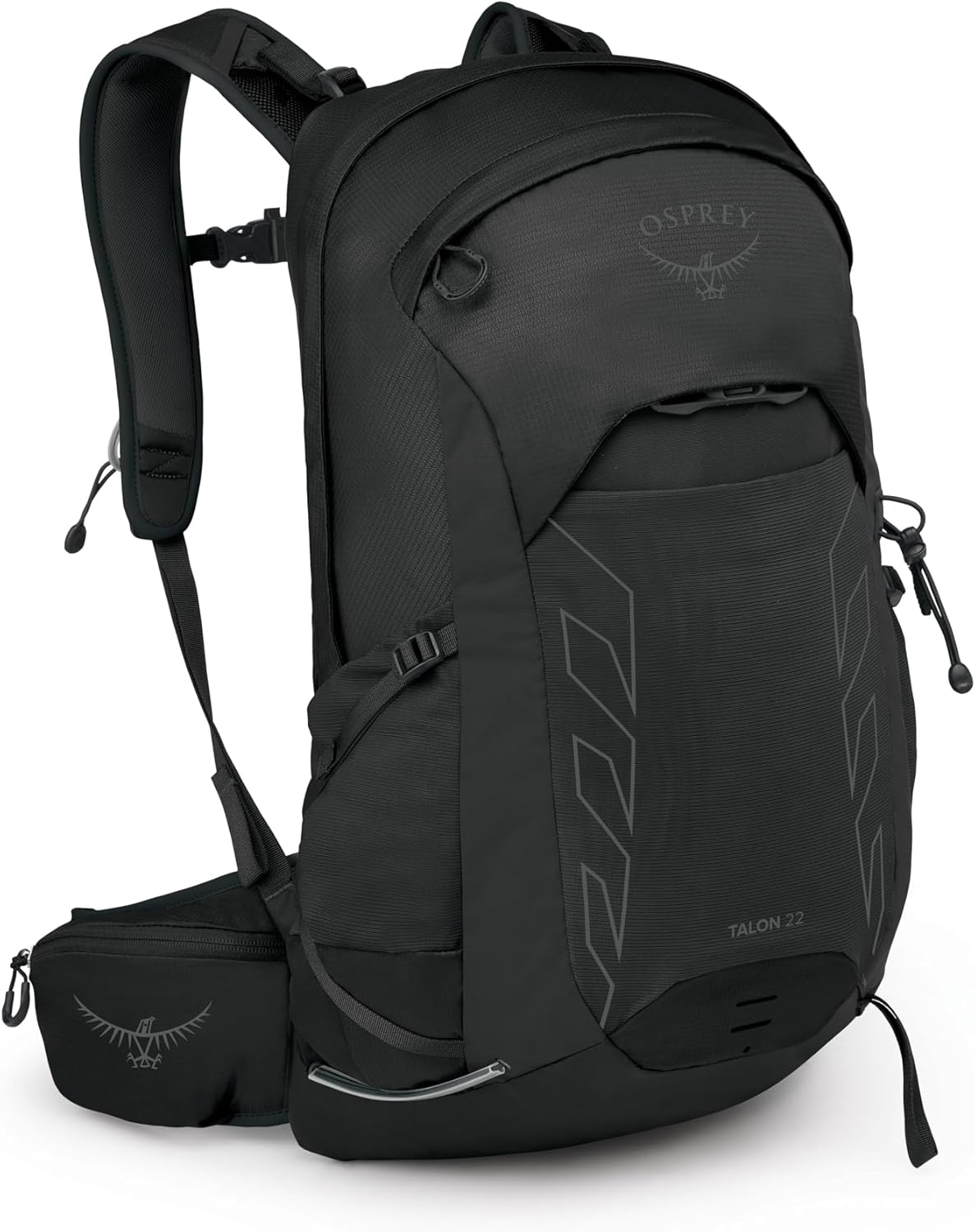
Foot pressure isn't only determined by the shoe—it's the shoe plus everything you carry. Every kilogram on your back adds about 1.5kg of effective pressure to the forefoot during heel-off. For diabetic hikers, that math matters: a 12kg overnight pack creates roughly 18kg of additional forefoot loading per step, and a numb foot can't tell you when that loading has crossed into tissue damage. Choosing a light, well-distributed daypack is a foot-protection decision as much as a comfort one.
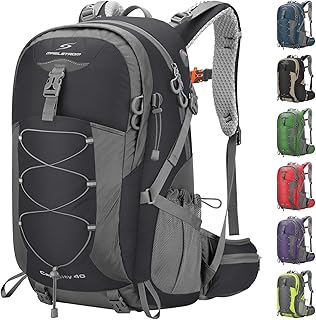
The three packs below cover the realistic range for a gravel-path day hiker: a fully-featured 40L for cooler-weather hikes with insulation and lunch; a balanced 25L for three-season day trips; and a sub-200g packable that lives in your car as a backup.
| Pack | Capacity | Weight | Waterproof | Best for |
|---|---|---|---|---|
| Maelstrom 40L w/ Rain Cover | 40L | ~1.1 kg | Yes + cover | Cool-weather day hikes, light overnights |
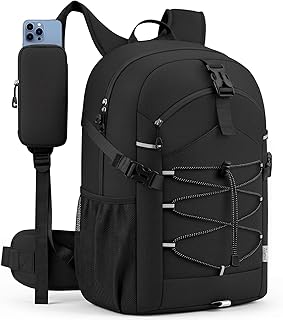
| 25L Lightweight Waterproof | 25L | ~0.6 kg | Yes | Three-season day hikes on gravel |
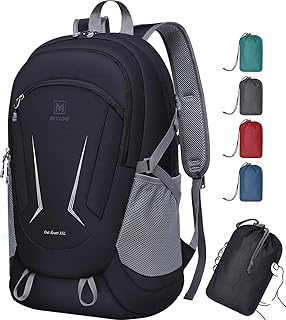
| MIYCOO Packable | ~20L | ~0.18 kg | Water-resistant | Backup pack, summit push, travel |
Maelstrom 40L Waterproof Hiking Daypack with Rain Cover
For diabetic hikers who carry insulin coolers, extra socks, a foot-care kit, and lunch, the Maelstrom 40L hits the volume sweet spot without the punishing weight of a true backpacking pack. The padded hip belt transfers load off the lumbar (which protects gait mechanics on uneven gravel), and the included rain cover keeps spare dry socks dry—non-negotiable when a wet sock on a numb foot can macerate skin in under an hour. Multiple compartments let you isolate medical supplies from snacks. Check current price on Amazon.
25L Lightweight Waterproof Hiking Daypack
The 25L is our recommended default for three-season gravel-path day hikes. At about 600 grams empty, it minimizes per-step forefoot loading—meaningful when you can't feel pressure building. The waterproof shell skips the extra rain-cover step (a real ergonomic win when neuropathy affects fingers too), and the panel-loading design lets you reach a foot-care kit at the bottom without unpacking. Adjustable sternum and waist straps let you fine-tune load placement until your hips, not your shoulders, carry the weight. Check current price on Amazon.
MIYCOO Ultra-Lightweight Packable Hiking Backpack
At roughly 180 grams, the MIYCOO packs into its own pocket and weighs less than the lunch it carries. We recommend it as the backup pack you stash in the trunk: if your main pack's zipper fails 6km into a 12km loop, or if you want to do a no-frills summit push from a base camp, the MIYCOO gets you home without adding meaningful forefoot load. It also doubles as a travel daypack for flights to trailheads. Check current price on Amazon.
For more options across capacity classes, see our lightweight daypacks for day hikes roundup.
Foot-care routine for diabetic hikers on gravel paths
Pre-hike (5 minutes): Inspect both feet under good light. Look for any redness, cracks, blisters, or hot spots from prior outings. Apply a thin film of anti-friction balm to known pressure points (heel, forefoot edges, between toes). Put on fresh diabetic-rated socks with no wrinkles.
Mid-hike (every 90 minutes on gravel): Stop, remove shoes and socks, and visually inspect feet. Yes, every 90 minutes. This is the single highest-value habit a hiker with neuropathy can build. Catching a 2mm hot spot before it becomes a 2cm blister saves your hiking season.
Post-hike (10 minutes): Wash feet with lukewarm water and a mild soap. Dry completely, especially between toes. Inspect for any new marks, blisters, or skin breakdown. Photograph anything new so you can track changes. Apply diabetic-formulated moisturizer to heels and tops, but never between toes.
Frequently Asked Questions
Are zero-drop trail shoes safe for diabetic hikers with neuropathy?
Zero-drop shoes can be excellent for diabetic feet because they reduce forefoot pressure and encourage natural toe splay, both of which lower ulcer risk. However, transition gradually—plan four to six weeks of mixed daily and short-hike use before committing to a long gravel-path day. If you have Achilles tendinopathy or Charcot foot history, consult your podiatrist before going zero-drop.
What's the best heel-to-toe drop for gravel paths if I have neuropathy?
For most diabetic hikers, a 4–6mm drop offers the best balance: it keeps forefoot pressure low (good for ulcer prevention) without straining the Achilles. Shoes like the Topo Terraventure 4 (5mm) and Hoka Speedgoat 6 (4mm) hit this range. Only experienced barefoot-style hikers should go to true zero on rough gravel.
How often should I replace trail shoes if I have diabetic neuropathy?
Replace at 500–650 km, or every 9 months at the latest—whichever comes first. Compressed midsoles lose the cushioning that's protecting feet you can't feel. Worn outsole lugs also reduce traction and increase fall risk. Track mileage from day one with a hiking app and set a calendar reminder.
Should diabetic hikers wear hiking boots or trail shoes on gravel?
Modern trail shoes with rock plates and high stacks now outperform traditional boots for most diabetic hikers on day-hike gravel paths. They're lighter (less forefoot loading per step), have wider toe boxes, and dry faster if they get wet. Reserve boots for ankle-instability cases, true backpacking weights over 15kg, or scrambling terrain.
What socks should I pair with trail shoes if I have neuropathy?
Use double-layer or padded merino socks specifically marketed for diabetes or blister prevention—Wrightsock Coolmesh II, Thorlos Experia, or Balega Enduro Diabetic. Never wear cotton, never wear a sock with a darned seam, and always carry one spare dry pair in your pack. Change socks at the mid-hike inspection if either foot feels even slightly damp.
Do trekking poles help diabetic hikers with neuropathy on gravel?
Yes—significantly. Trekking poles offload roughly 15–25% of step-impact force from the feet to the upper body, reduce fall risk on loose gravel, and provide proprioceptive feedback your numb feet can't deliver. Carbon-fiber poles with cork grips are the standard 2026 recommendation; see our dedicated poles guide for sized picks.
Can I use orthotics with trail shoes for diabetic feet?
Absolutely, and many diabetic hikers should. Custom orthotics or accommodative insoles (Superfeet Diabetic, Powerstep Wide, or podiatrist-prescribed) redistribute pressure off bony prominences. Make sure the shoe has a removable factory insole and enough internal volume—trail shoes with extra-wide widths typically accommodate orthotics best.
Key Takeaways
- Choosing the right trail shoes for diabetic hikers with neuropathy means matching capacity and output ports to your actual devices
- Always check actual watt-hours (Wh), not just watts — runtime depends on Wh, not peak output
- Also covers: diabetic neuropathy hiking shoes
- Also covers: trail shoes for nerve damage
- Also covers: cushioned trail shoes for diabetics
- Compare price-per-Wh across models to find the best value for your budget