If you suffer from plantar fasciitis and still want to tackle 10-, 15-, or 20-mile days on dirt, the right footwear strategy matters more than any other piece of gear. The best trail shoes plantar fasciitis long day hikes setup combines a stiff, supportive midsole, a moderate heel-to-toe drop (6–10mm), a rocker geometry that reduces fascia stretch at toe-off, and a roomy toe box that keeps your foot from clenching. Equally important: a lightweight, well-balanced pack so your fascia is not carrying punishment loads mile after mile. This 2026 guide walks through the exact features to demand, which shoe categories qualify, and the ultralight pack picks that meaningfully reduce strain on your heel.
Why plantar fasciitis demands a different trail shoe
Plantar fasciitis is an inflammation (and often micro-tearing) of the thick band of connective tissue that runs from your heel to the base of your toes. On a long day hike, three things conspire against that tissue: repeated heel strike on hard or uneven ground, end-of-range dorsiflexion when your foot rolls over a rock, and cumulative load from your body weight plus pack weight applied thousands of times per mile. A standard trail runner built for fast-and-light minimalists is often the worst possible choice for a fasciitis sufferer — the low drop and thin midsole hammer the heel pad while the flexible forefoot lets the fascia stretch under load.
For long mileage with a sensitive plantar fascia, you want a shoe that does three jobs at once: cushions heel strike, supports the arch so the fascia is not the primary load-bearing structure, and limits the toe-off bend angle so the fascia is not yanked at the end of every step. That is a very specific spec sheet, and most trail shoes do not meet it.
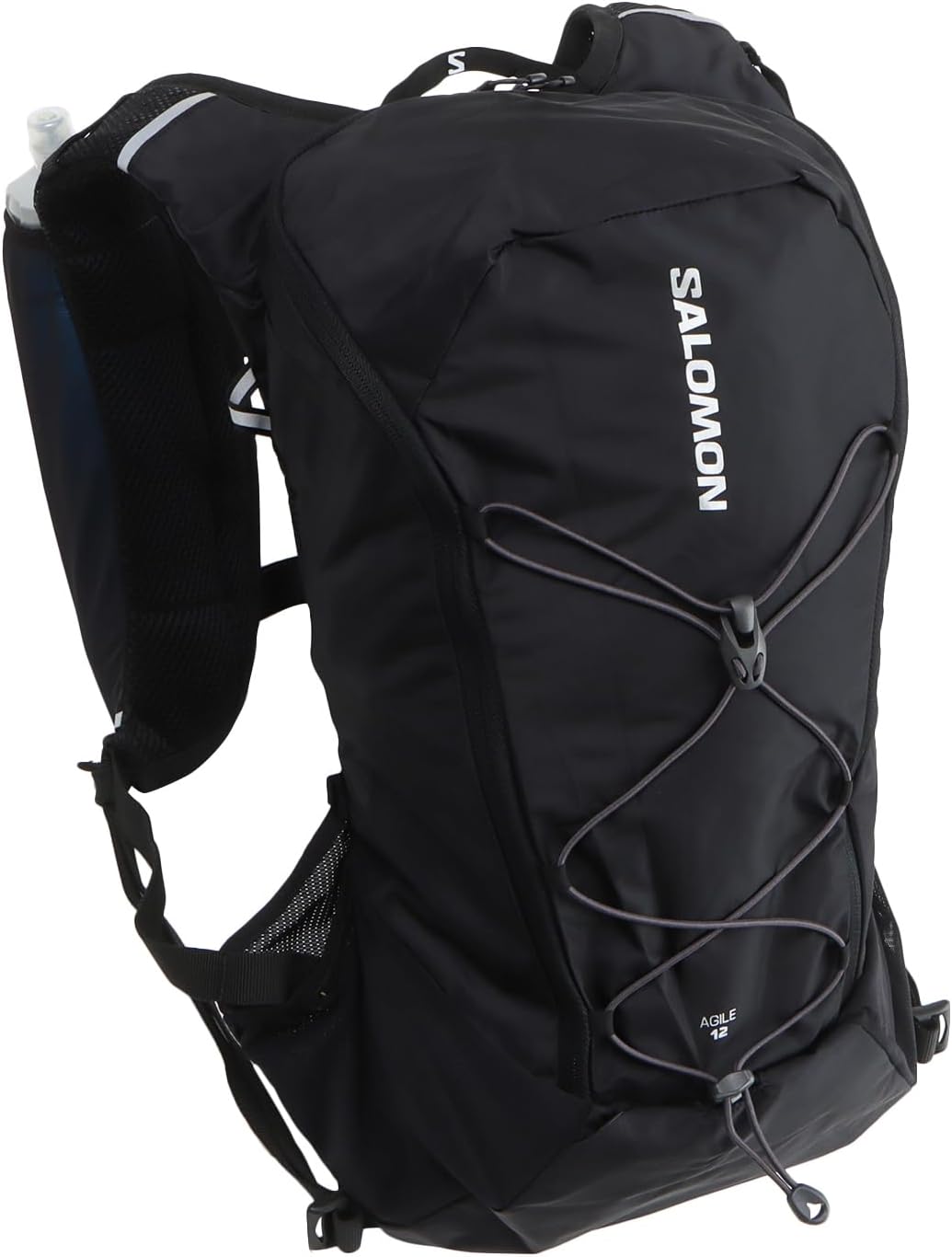
The 2026 feature checklist for trail shoes plantar fasciitis long day hikes
Before you read another shoe review, screen every model against this list. If a shoe fails two or more of these criteria, walk away — no matter how many stars it has.
- Heel-to-toe drop of 6–10mm. Zero-drop and 4mm drop shoes load the fascia hard and are a common trigger. Stick with moderate drop until your fascia is fully healed.
- Firm but cushioned heel. You want energy return, not a marshmallow. A mushy heel rolls your foot inward and stretches the fascia further.
- Built-in arch support or a deep heel cup. If the shoe has neither, you will need a custom or semi-custom orthotic, and the shoe must have a removable insole to accept one.
- Rocker geometry. A rockered forefoot rolls you through toe-off rather than forcing the fascia to stretch as your toes dorsiflex. This is the single most underrated feature for fasciitis sufferers.
- Torsional rigidity. Twist the shoe in your hands. If it wrings like a dish towel, it will not protect your arch on uneven trail.
- Wide or roomy toe box. A cramped toe box forces toe gripping, which directly inflames the fascia.
- Lightweight upper. Heavy leather hiking boots punish the fascia by adding swing weight to every step.
Which trail shoe categories actually qualify
Rather than name-drop models that change every season, focus on the categories that consistently produce fasciitis-friendly options in 2026:
Max-cushion trail runners (think Hoka Speedgoat, Speedland, and similar high-stack designs) deliver the cushion + rocker combo that fasciitis sufferers crave. Pick a model with at least a 5mm drop and a wide platform for stability on side-hilling.
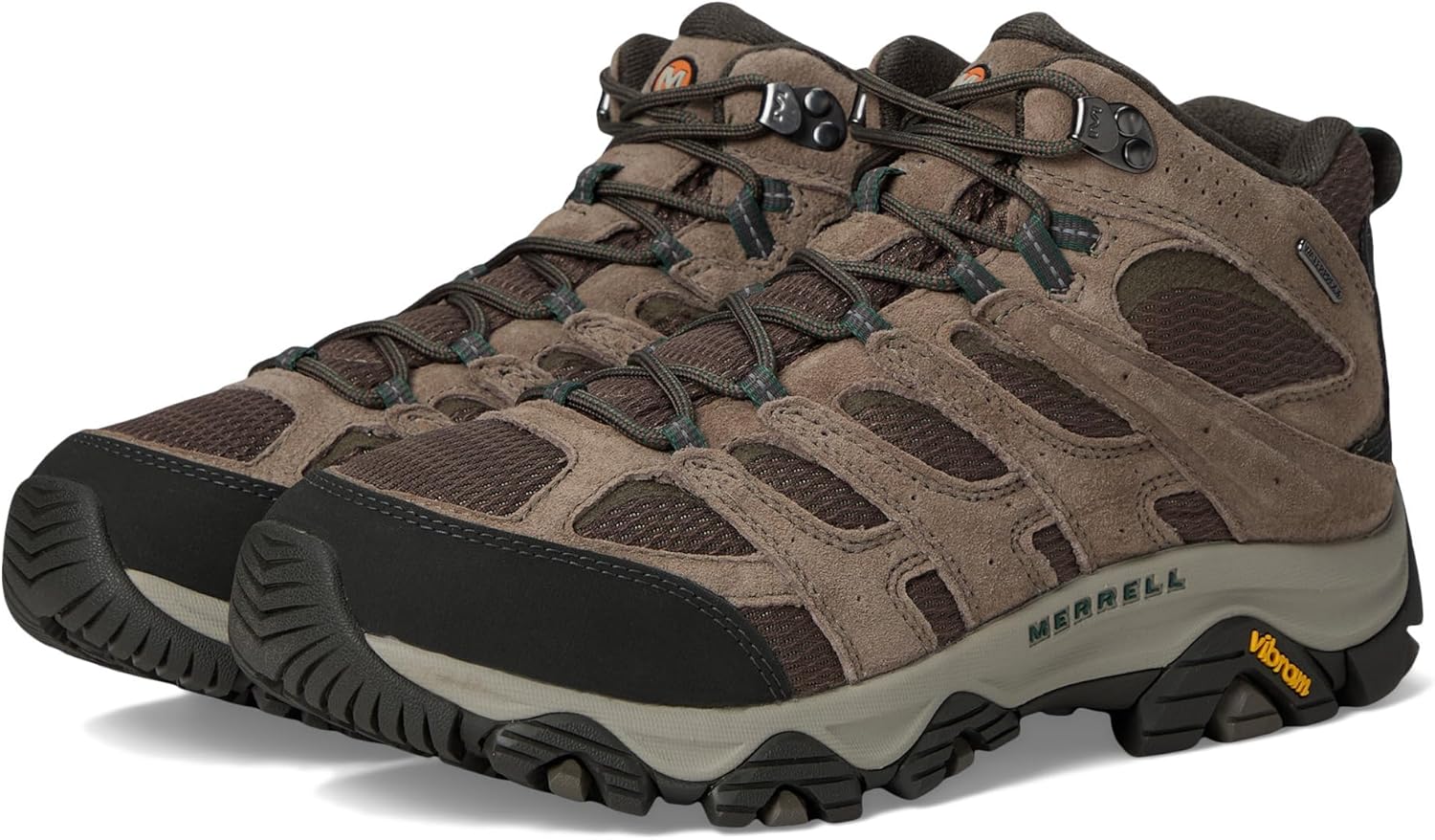
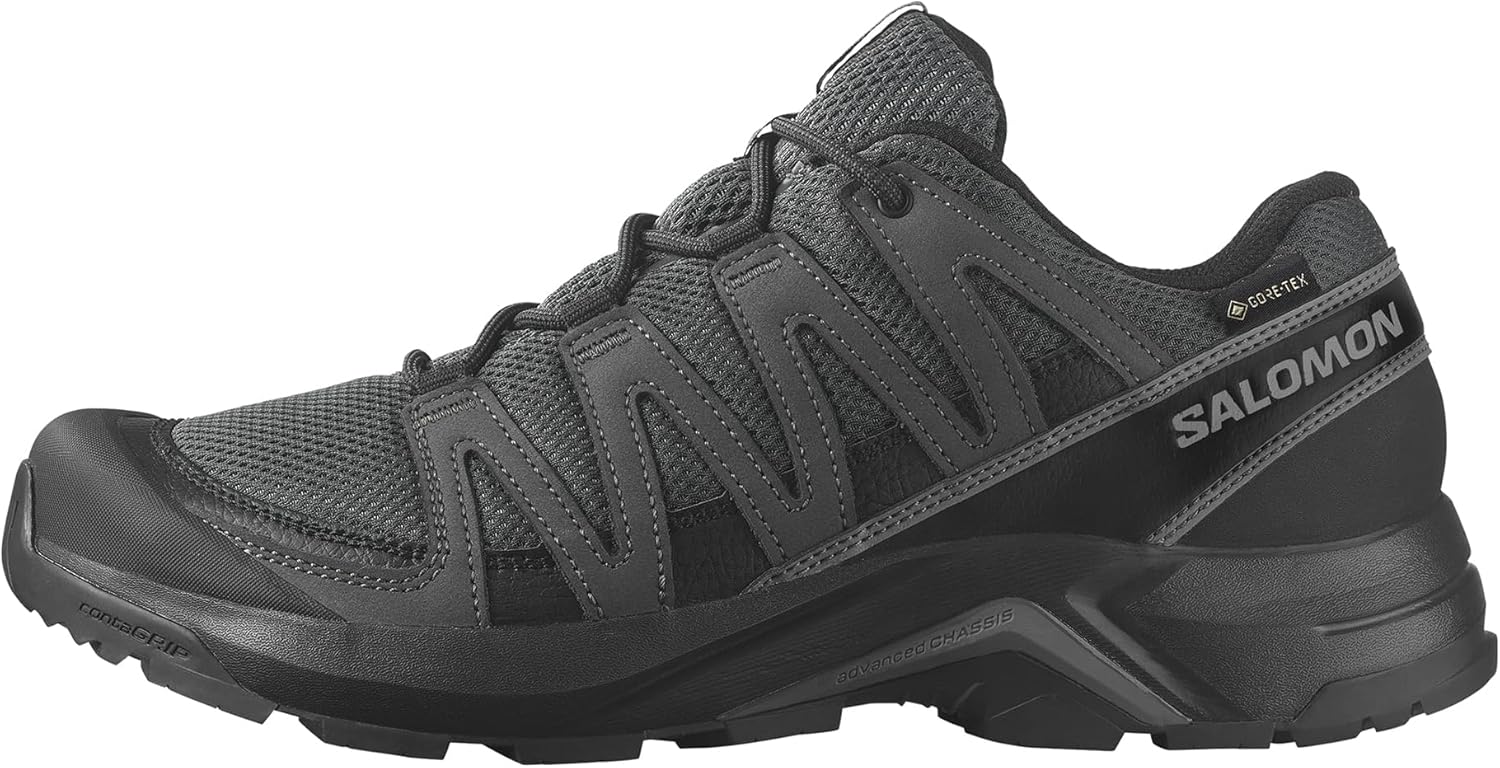
Hybrid trail-hikers with a nylon shank (e.g., Salomon X Ultra-class shoes) give you the torsional rigidity of a boot with the swing weight of a runner. Look for ones that explicitly call out a TPU chassis or stability plate.
Light hiking boots with rocker outsoles are the right call if you also have ankle instability. The rocker is non-negotiable; without it the stiff midsole becomes a fascia-stretching lever.
What to avoid: zero-drop barefoot trail shoes, ultralight racing flats, and traditional flat-soled work-style hikers. All three load the fascia in ways it cannot tolerate over a long day.
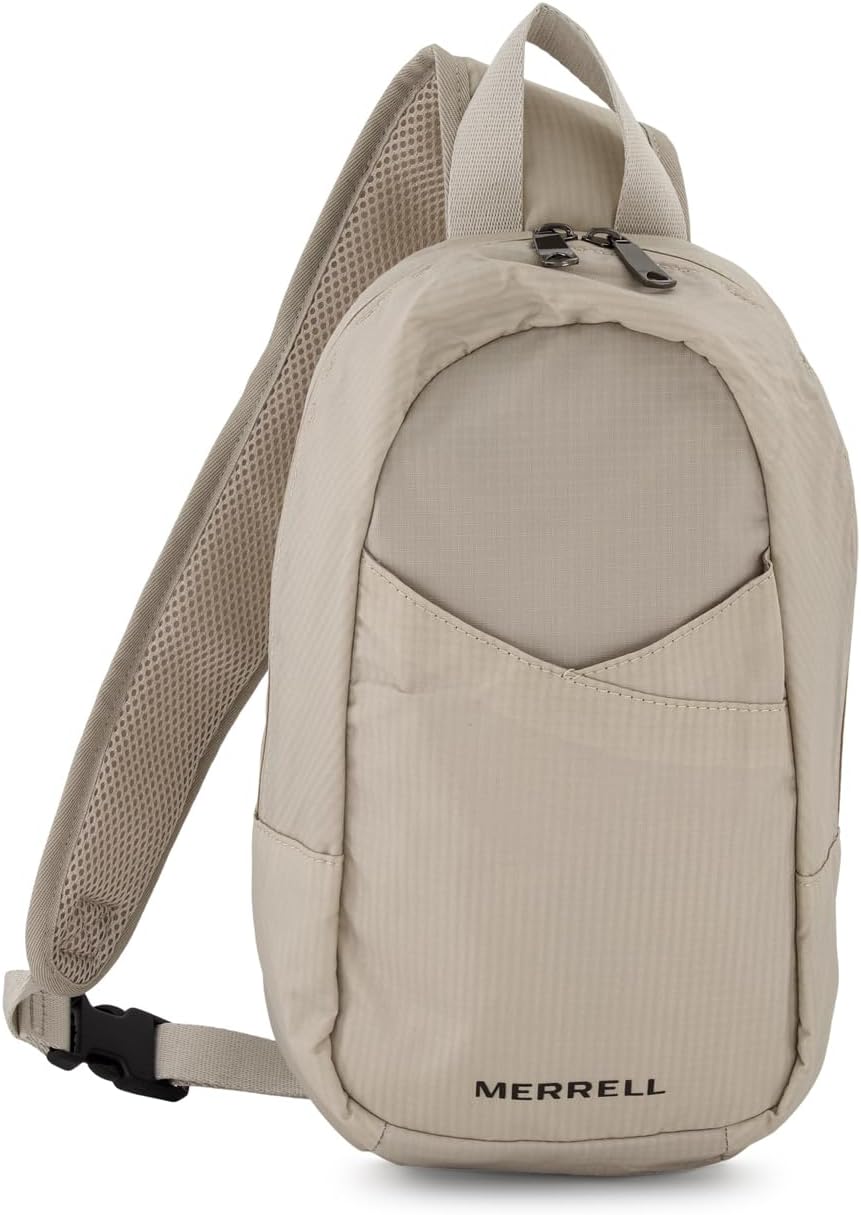
The other half of the equation: pack weight
Here is the part most plantar fasciitis articles miss. Every extra pound on your back lands on your fascia ~2,000 times per mile. A 25-pound day pack and a 12-pound day pack are not slightly different experiences for someone with fasciitis — they are completely different injuries by mile 10. Cutting pack weight is the highest-leverage thing you can do after fixing your footwear. For a long day hike, target a base load under 10 pounds and a total carry (with water and food) under 18 pounds whenever the conditions allow.
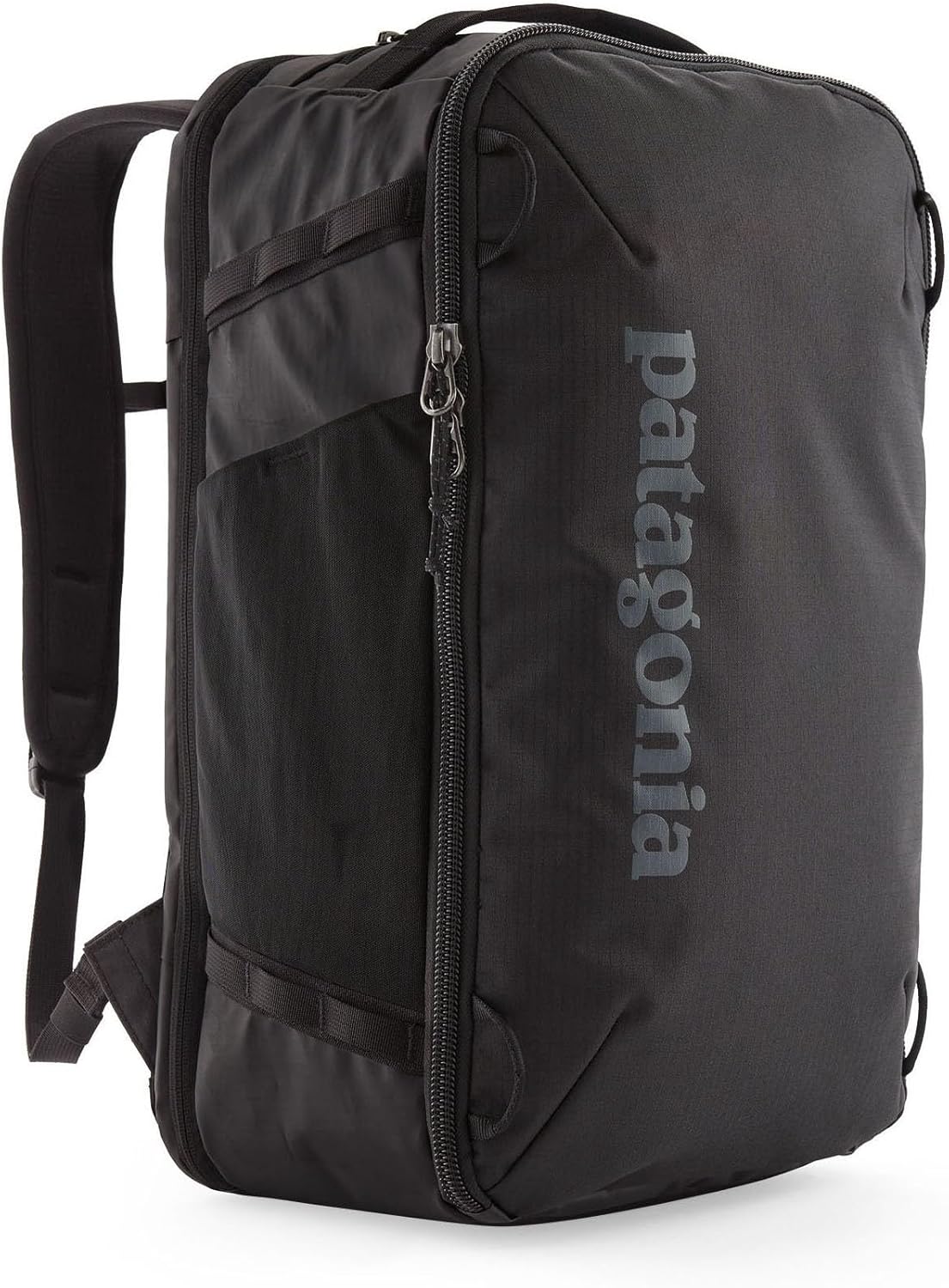
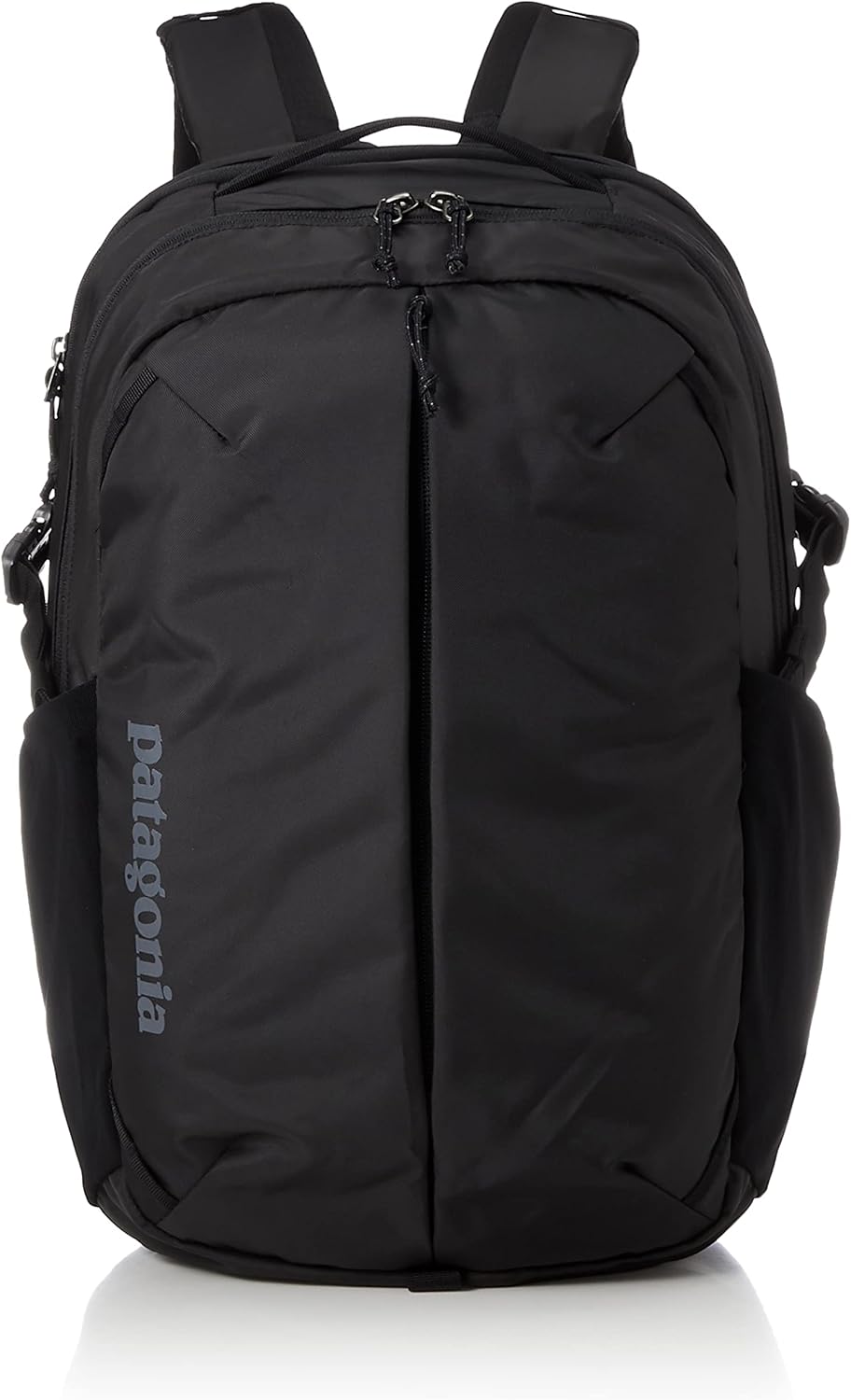
Three packs we recommend in 2026 for fasciitis sufferers, ordered from "full-feature day pack" to "barely-there ultralight":
| Pack | Capacity | Approx. Weight | Best for fasciitis sufferers when… |
|---|---|---|---|
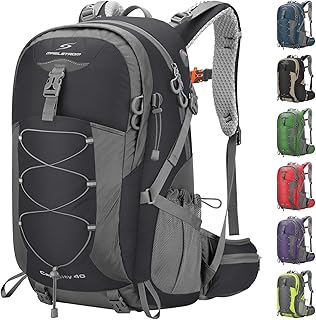
| Maelstrom 40L Waterproof Hiking Daypack | 40L | ~2.0 lb | Cooler-weather day hikes with layers, rain shell, lunch, and 3L of water |
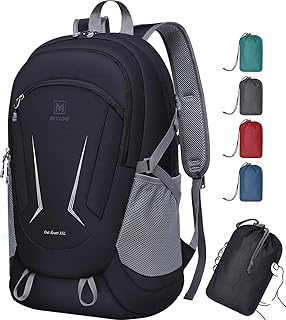
| 25L Lightweight Waterproof Hiking Daypack | 25L | ~1.1 lb | Standard summer day hikes — the sweet spot for most long-mileage fasciitis hikers |
| MIYCOO Ultra-Lightweight Packable Hiking Backpack | ~20L | ~0.4 lb | Hot-weather sub-15-mile loops where every ounce on your heel counts |
Maelstrom 40L Waterproof Hiking Daypack with Rain Cover
If your long day hikes involve real elevation, shoulder-season weather, or you carry insulated layers and a stove for hot lunch at the summit, the 40L gives you organization without forcing you to overstuff. Critically, the padded hip belt actually transfers load to your hips instead of letting it ride on your shoulders — which keeps your gait neutral and stops the compensatory heel slam that flares fasciitis. The rain cover saves you from a soaked pack (and the extra 2–3 pounds of water weight that brings). Check current price on Amazon.
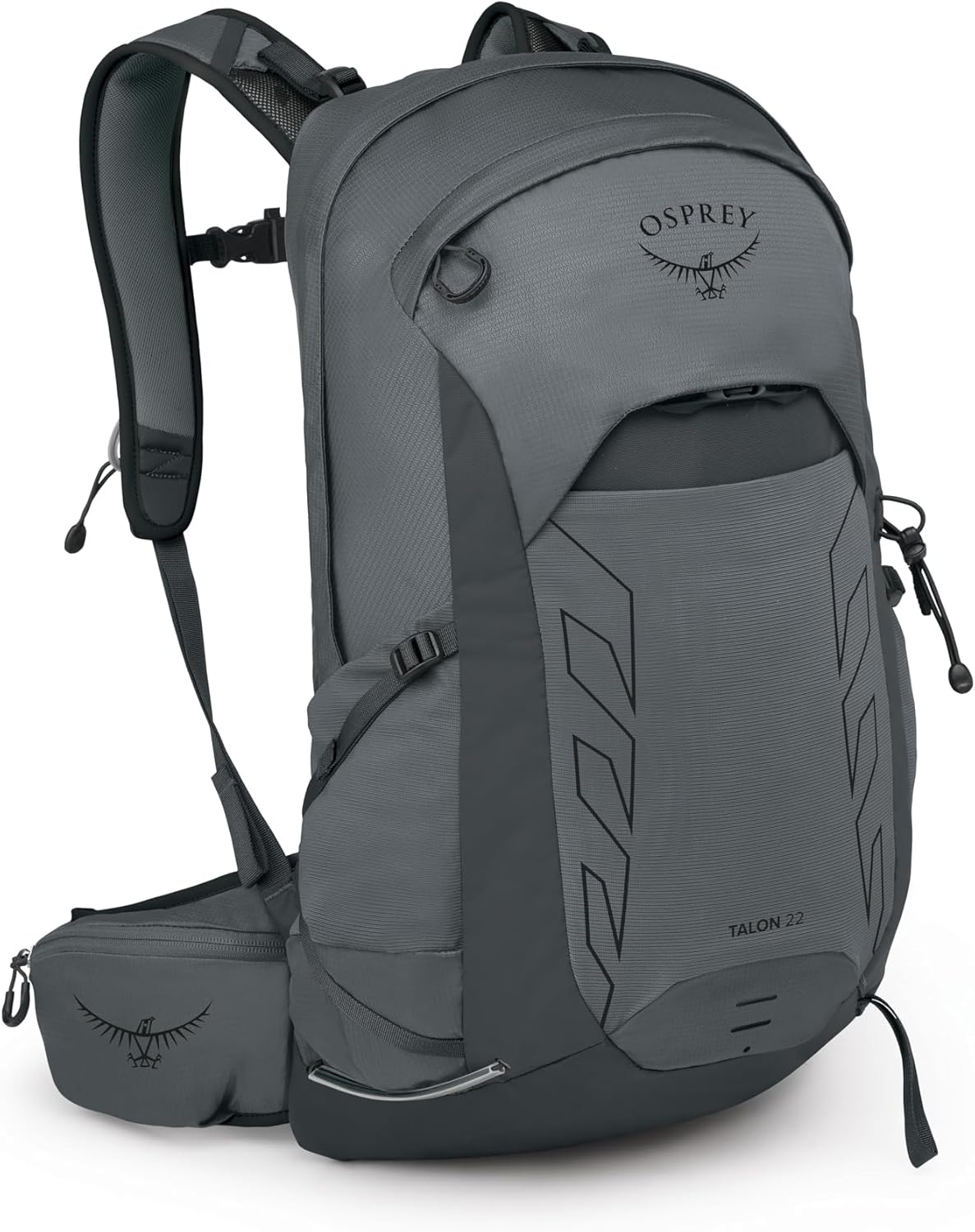
25L Lightweight Waterproof Hiking Daypack
This is the pack we recommend most often to readers managing plantar fasciitis. Twenty-five liters is enough for 3L of water, food for a full day, a wind shell, a first-aid kit, and the small luxuries (camera, sit pad) without inviting you to overpack. At roughly a pound empty, it does not add meaningful load to your fascia, and the waterproof shell means no separate dry-bag system. Pair it with a chest strap cinched snug to keep the pack from bouncing and dragging your stride. Check current price on Amazon.
MIYCOO Ultra-Lightweight Packable Hiking Backpack
For hot-weather day hikes under 15 miles where you only need water, snacks, sunscreen, and a shell, this 6-ounce packable is the closest you can get to hiking with no pack at all. That matters: shaving 1.5 pounds off your back over 30,000 steps is roughly 45,000 pounds of cumulative load your fascia does not have to absorb. Stuff it into its own pocket for the drive out, deploy it at the trailhead. Not the pack for cold or wet trips — the unpadded straps will dig under heavy loads. Check current price on Amazon.
Putting the system together for long day hikes
The full trail shoes plantar fasciitis long day hikes kit is not just shoes. It is shoes + insoles + socks + pack + poles + pre-hike mobility. Replace your shoe insoles with a semi-rigid orthotic (over-the-counter Superfeet Green or Powerstep Pinnacle are good entry points; a custom orthotic if you can swing it). Wear merino or synthetic crew socks with a snug — not tight — fit to prevent micro-slipping that aggravates the fascia. Use trekking poles to offload 15–25% of your body weight from each step; this is one of the single most fascia-protective things you can do. And before every long hike, spend five minutes rolling your arch on a frozen water bottle and doing 3×15 calf raises off a step. Your fascia heals overnight and warms up cold; treat it accordingly.
For more on building a fasciitis-friendly system, see our companion guides on the best trekking poles for plantar fasciitis, lightweight daypacks for long day hikes, and the best hiking insoles for arch support.
Frequently Asked Questions
Are trail runners or hiking boots better for plantar fasciitis on long hikes?
For most people with plantar fasciitis, a max-cushion trail runner with rocker geometry and a 6–8mm drop outperforms a traditional hiking boot. The lower swing weight reduces fascia fatigue over 15+ miles, and the rocker prevents the end-of-range toe dorsiflexion that aggravates the condition. Boots win only when ankle instability is the bigger risk than fascia load — in which case look for a light hiker with a rockered outsole.
What heel-to-toe drop is best for plantar fasciitis on long day hikes?
Six to ten millimeters is the sweet spot for active plantar fasciitis. Zero-drop and 4mm shoes load the fascia hard at heel strike. Above 10mm, you start losing the natural calf-Achilles-fascia mechanics that keep your stride efficient over long mileage. If you are coming back from a flare, start at 8–10mm and drop slowly only after the pain resolves.
Should I use OTC insoles or get custom orthotics for hiking with plantar fasciitis?
Start with over-the-counter semi-rigid insoles like Superfeet Green or Powerstep Pinnacle. If after two months of consistent use plus stretching your fascia is still flaring, get custom orthotics from a sports podiatrist. Custom is roughly 4–10x the cost; spend the money only after the cheap fix fails. Either way, the shoe must have a removable factory insole.
How much pack weight is too much when I have plantar fasciitis?
For an active flare, cap your day-hike total carry at 15 pounds. For a healed but historically-fasciitis-prone foot, 20 pounds is a reasonable ceiling for a long day hike. Above that, the cumulative ground reaction force per step starts producing measurable inflammation in MRI studies. A sub-1-pound pack matters far more than people realize.
Do trekking poles actually help plantar fasciitis on long hikes?
Yes — substantially. Properly used trekking poles transfer 15–25% of your weight to your arms on every step, which directly reduces fascia load. On a 15-mile hike with a 20-pound pack, that is the equivalent of removing roughly 3–5 pounds from your foot for the entire hike. Use them on every long day hike, not just the steep ones.
Can I still hike long days during an active plantar fasciitis flare?
Cautiously. If your morning-first-step pain is below a 4/10, you can usually hike 6–10 miles on soft trail without setting yourself back, provided you wear the right shoes, use poles, keep your pack under 15 pounds, and ice for 15 minutes immediately after. Above a 4/10 morning pain, cap mileage at 3–5 miles and prioritize stretching, eccentric calf raises, and a week of rest before attempting a long day.
How long does it take to break in trail shoes when you have plantar fasciitis?
Plan on 30–50 miles of progressive walking before a big day hike — start with neighborhood walks, move to 3-mile hikes, then 6, then 10. Stiff-platform shoes built for fasciitis sufferers have a longer break-in than racing flats because the chassis needs to soften slightly to match your gait. Never debut a new pair of shoes on a 15+ mile hike, no matter how good the reviews are.
Key Takeaways
- Choosing the right trail shoes plantar fasciitis long day hikes means matching capacity and output ports to your actual devices
- Always check actual watt-hours (Wh), not just watts — runtime depends on Wh, not peak output
- Also covers: plantar fasciitis trail shoes hikers
- Also covers: arch support hiking shoes heel pain
- Also covers: trail shoes heel cushion plantar
- Compare price-per-Wh across models to find the best value for your budget