Saltwater fly fishing guides who pole their skiffs into Florida's mangrove tunnels, the Yucatán's lagoons, or Belize's backcountry need trail shoes for saltwater fly fishing mangrove flats that drain instantly, grip slick mangrove roots and oyster bars, and shrug off corrosive saltwater day after day. In 2026 the right shoe is part water shoe, part trail runner, and part rock-plate-protected approach shoe—closed-toe enough to fend off submerged barnacles, breathable enough to dry between drifts, and tough enough to survive a hard guiding season without rotting at the seams. Below is the field-tested buyer's guide, plus the waterproof daypacks the smartest guides pair with them.
Why mangrove flats punish ordinary footwear
A single guide day exposes footwear to more abuse than a month of weekend hiking. You launch at dawn from a slick aluminum ramp, pole through ankle-deep marl, jump out to shove the skiff over a sandbar, wade a knee-deep oyster-studded channel to free a stuck fly, then climb back onto a slime-covered casting platform. Repeat eight hours a day, five or six days a week, in 90°F humidity and full sun. Standard trail runners blow out in three weeks. Standard wading boots cook your feet. Flip-flops will eventually buy you stitches.
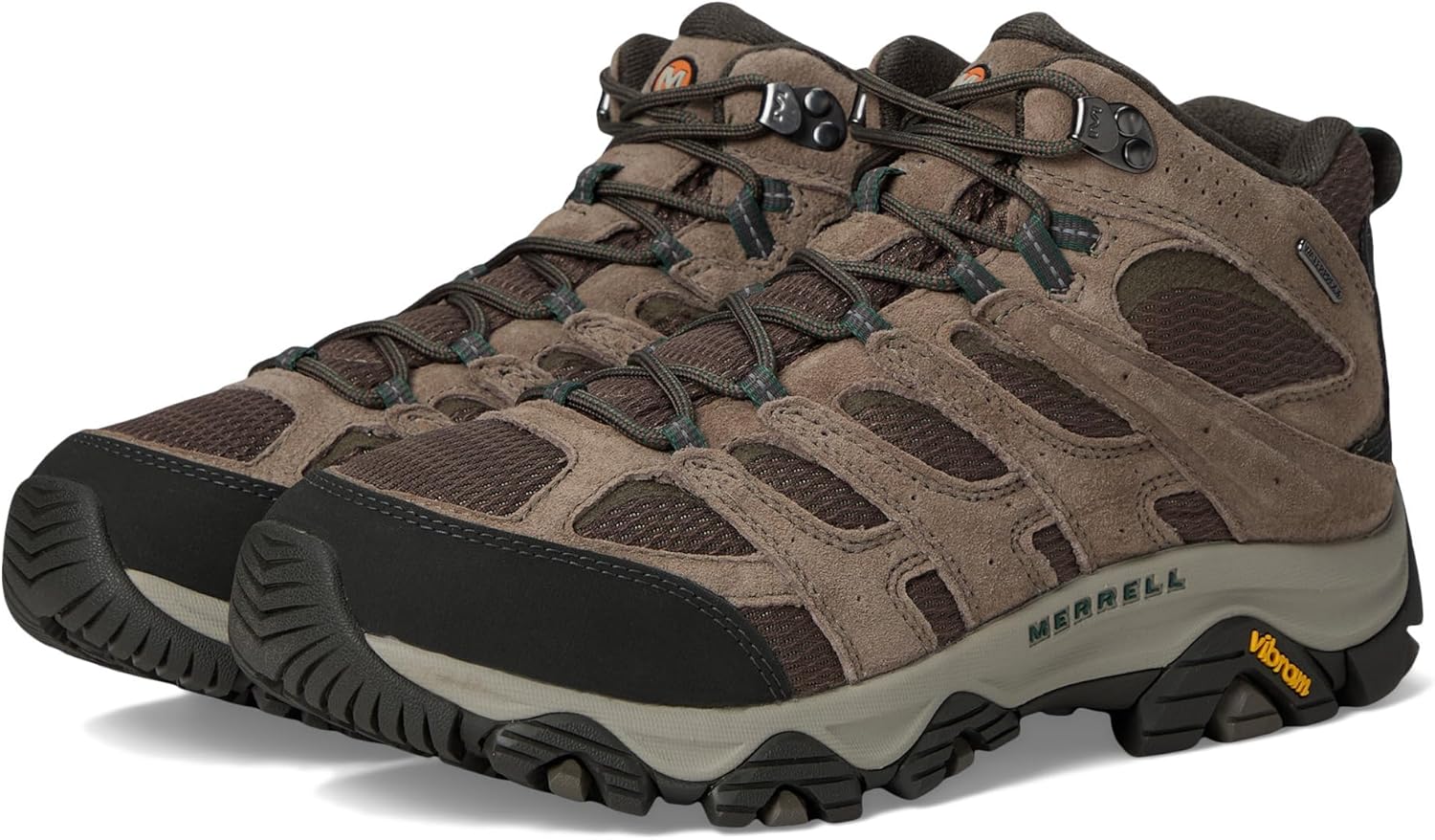
The trail shoes for saltwater fly fishing mangrove flats that actually survive a season share a specific recipe: a closed protective toe box, a sticky-rubber outsole with deep siping for wet grip, mesh-and-TPU uppers that drain through dedicated ports, and hardware (eyelets, lace hooks, midsole shanks) made from corrosion-resistant materials—rubber-coated stainless, anodized aluminum, or polymer.
Six non-negotiable features for 2026
1. Instant drainage. Look for visible drain ports at the arch and forefoot, plus a hydrophobic mesh upper that doesn't sponge water. The shoe should weigh roughly the same dry as it does wet within 60 seconds of leaving the water.
2. Sticky rubber outsole. Vibram Megagrip with Litebase, Stealth S1 by Five Ten, or proprietary sticky compounds from Astral and Korkers all grip slick mangrove roots far better than generic carbon rubber. Avoid felt soles—they're banned in many fisheries because they transport invasive species between watersheds.
3. Closed, reinforced toe box. Submerged oysters slice open standard mesh in a single misstep. You want a molded rubber toe cap that wraps at least an inch up the upper.
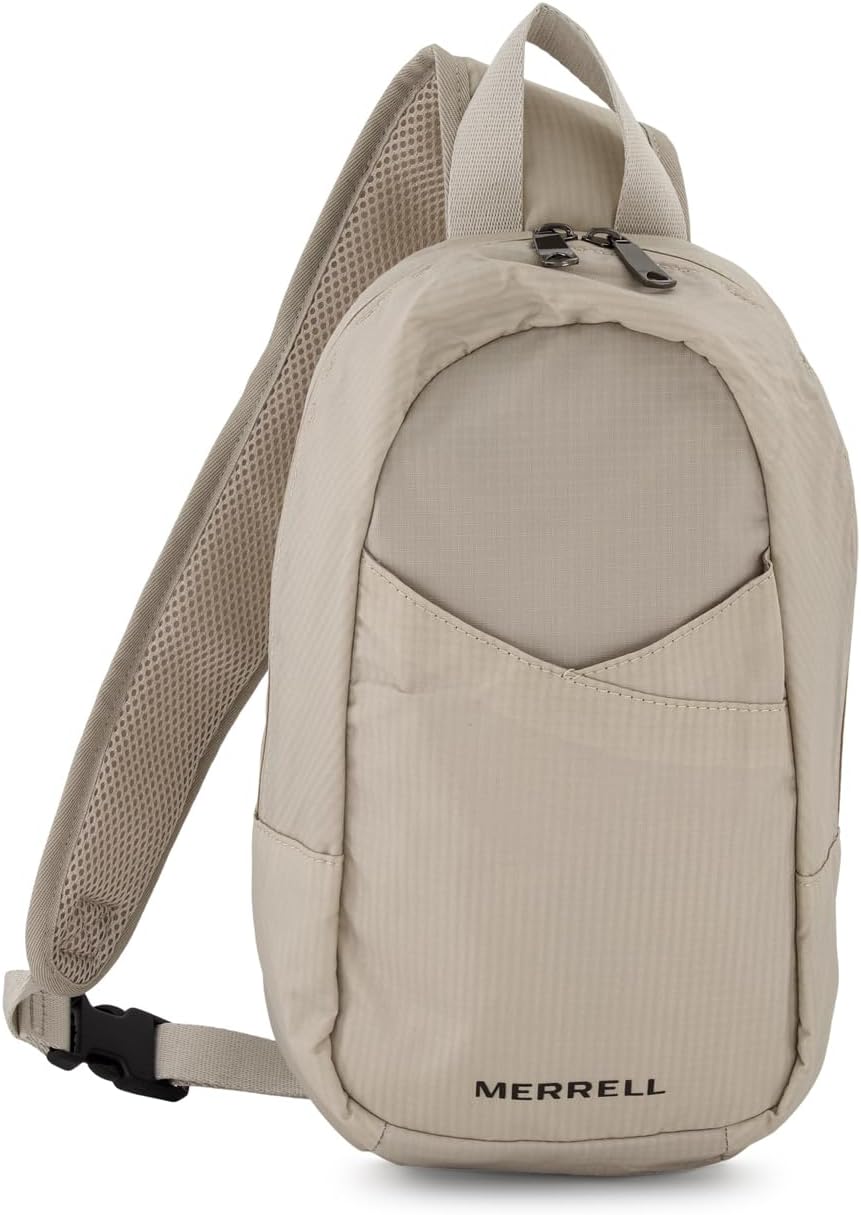
4. Quick-dry synthetic upper. Polyester mesh and TPU overlays dry in 20–30 minutes; cotton-blend or leather components rot within weeks of daily salt exposure.
5. Corrosion-proof hardware. Even "stainless" eyelets corrode in salt. Look for rubber-coated stainless, ceramic-coated, or all-polymer lace systems with no exposed steel.
6. Underfoot protection. A 2–3 mm TPU rock plate or shank is the difference between standing comfortably for ten hours and limping off the platform. Pure foam-only midsoles let oyster shells and barnacle clusters bruise the arch.
Trail runners, water shoes, or wet-wading boots—which category wins?
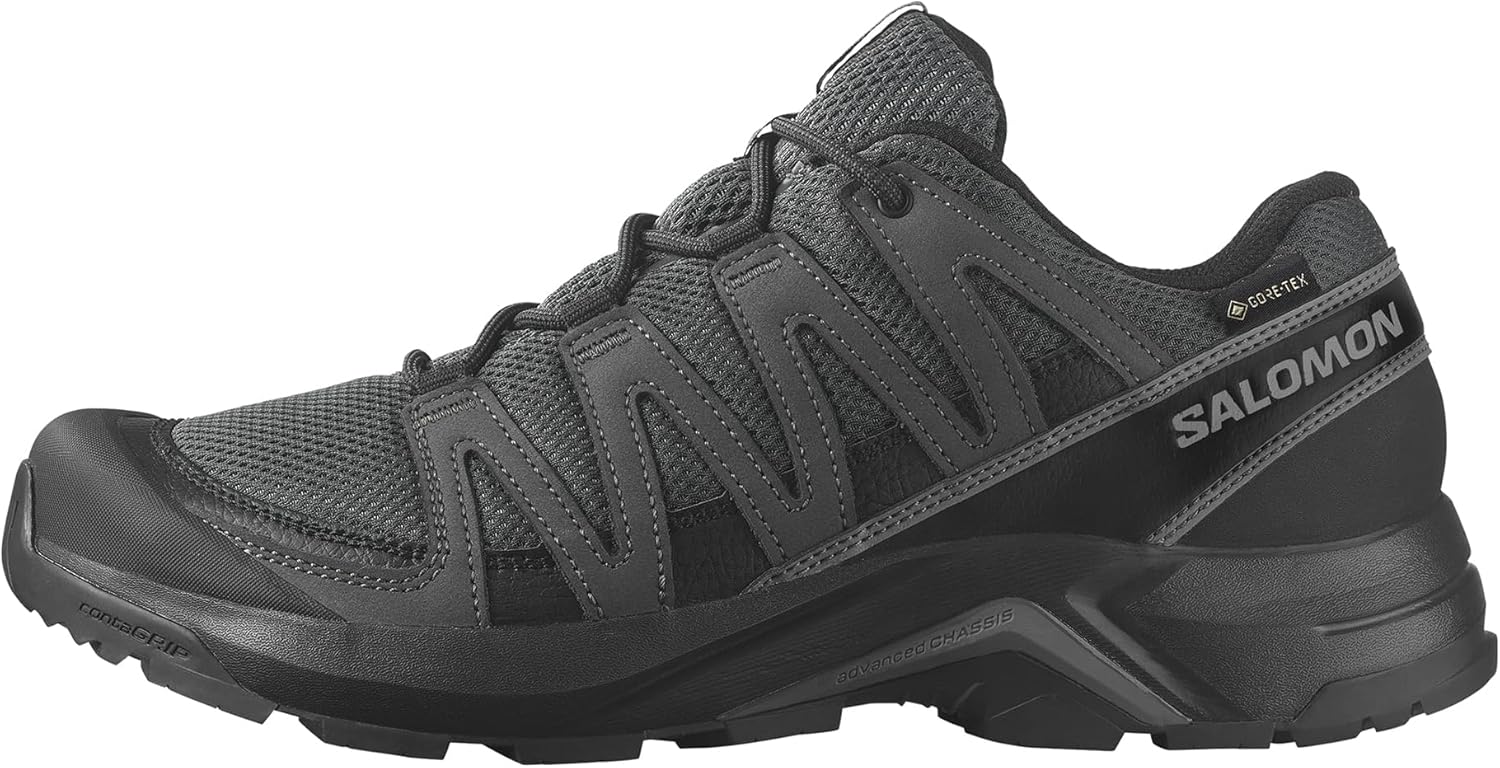
Guides typically split between three categories. Approach-style water shoes (think Astral Brewer or Loyak, Korkers All Axis) combine drainage with serious grip and are the most popular pick for skinny-water poling and quick wades. Hybrid trail runners (Salomon Techamphibian, Merrell Hydro Moc AT, Adidas Terrex Hydro Lace) are lighter and breathe better but trade some grip for that comfort. Wet-wading boots (Simms Flats Sneaker, Patagonia Danner Foot Tractor in a wet-wading configuration) offer the most protection and ankle support but cook your feet in tropical heat and take 24+ hours to dry.
For mangrove guiding specifically, most full-time guides settle on the approach-style water-shoe category: it's the sweet spot of grip, protection, drainage, and breathability. If you fish a lot of oyster bars or wade dense roots, lean toward the wet-wading boot. If you mostly pole and rarely leave the deck, a hybrid trail runner is enough.
Caring for your shoes so they survive a full season
Even the toughest shoe rots if you neglect it. After every trip: rinse with fresh water (especially the laces and tongue), pull the insoles, and air-dry out of direct sun. Once a week, soak in a 50/50 freshwater-vinegar bath for 20 minutes to dissolve salt crystals deep in the foam. Replace insoles every 8–12 weeks—they're the first thing to fail. Rotate two pairs if you guide full-time; alternating gives each pair 24 hours to fully dry between trips, which roughly doubles their service life.
Companion gear: waterproof daypacks every flats guide should carry
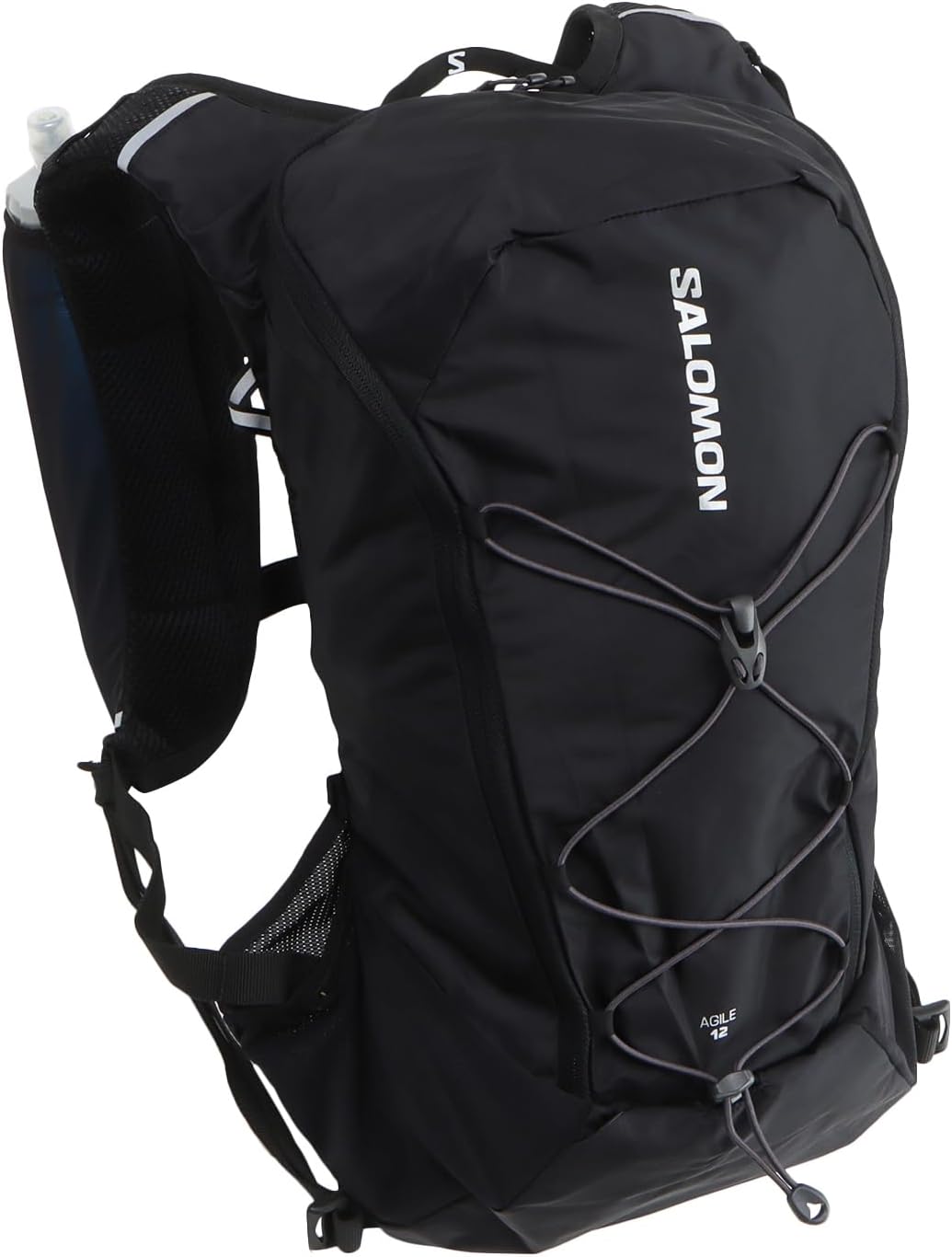
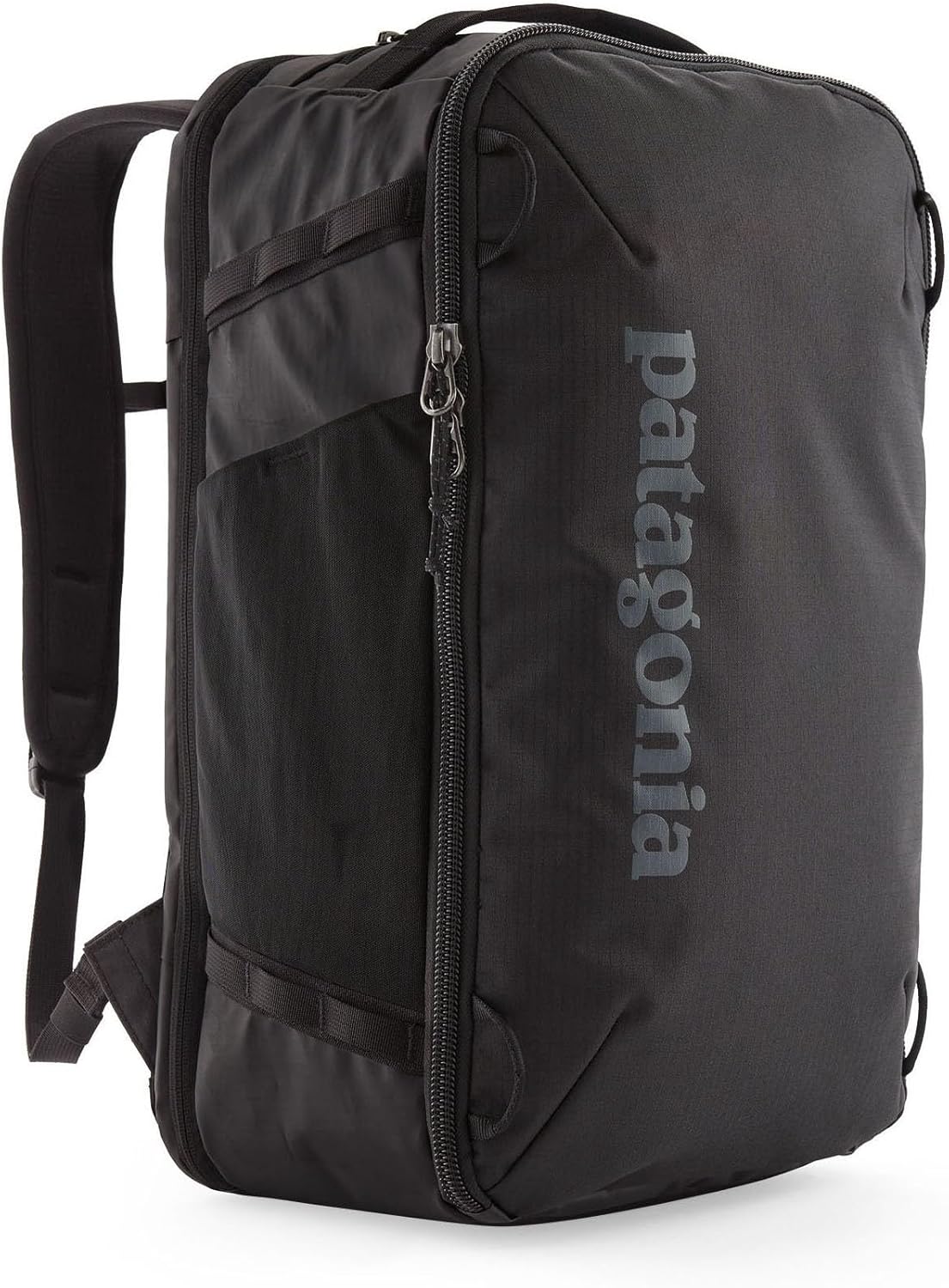
Your shoes are only half the equation. Most guides also need a waterproof pack to keep phones, leader spools, flies, sun gear, and a packed lunch dry when waves slap the gunnels or a thunderhead opens up. A proper waterproof daypack rides on the casting platform, stows under the console, or comes ashore for shore lunches without you worrying about a $1,400 phone going dark. Three affordable picks make sense for guides who don't want to drop $400+ on a premium dry bag.
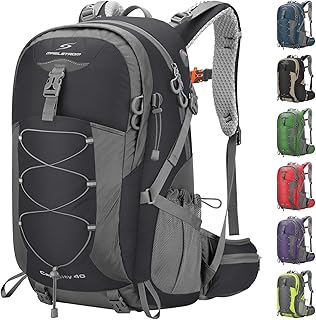
Maelstrom 40L Waterproof Hiking Daypack with Rain Cover
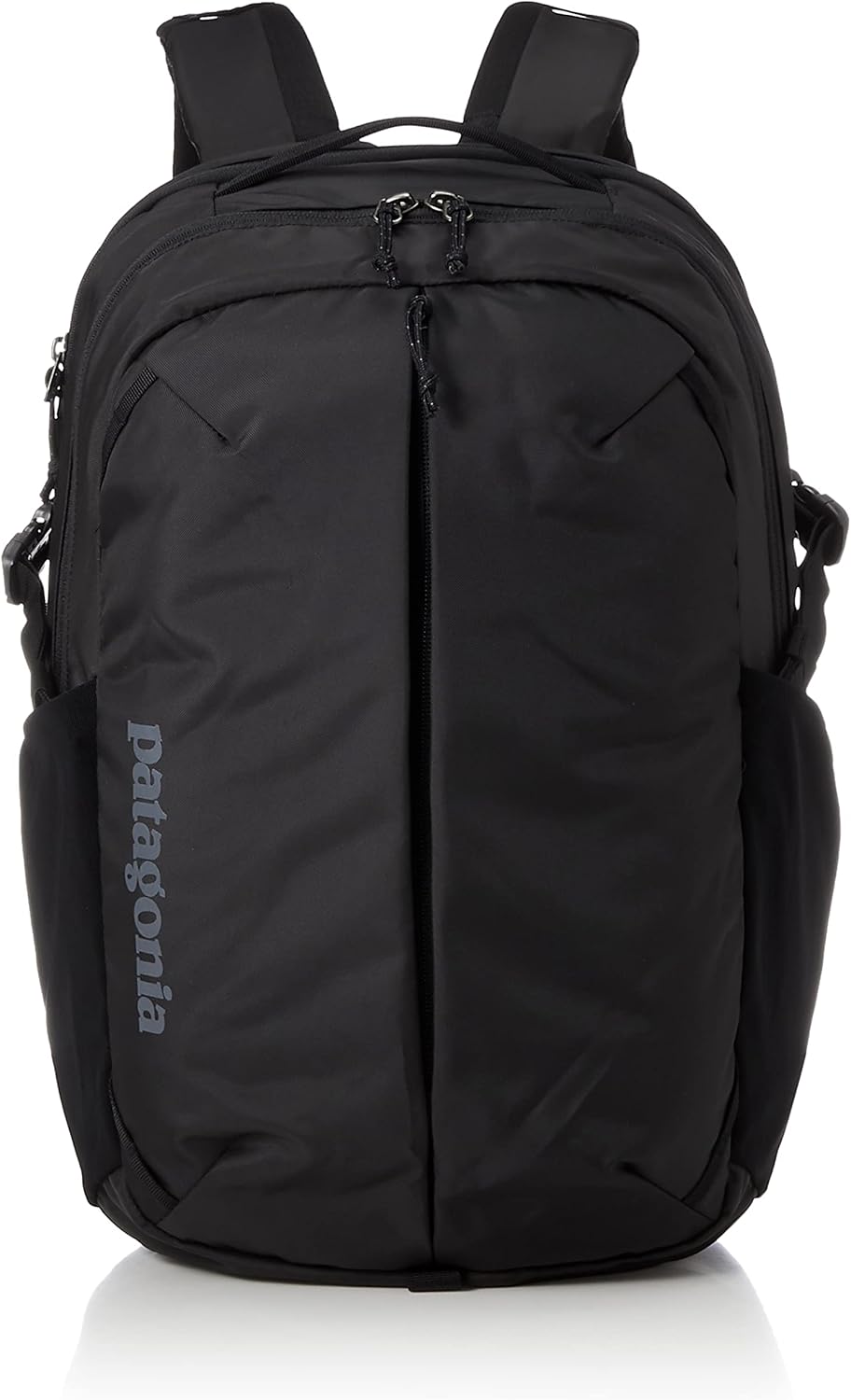
The Maelstrom 40L is the right size for a full guide day plus overnight runs to remote lodges. The waterproof shell shrugs off rain and spray, the included rain cover adds a second layer of insurance in a tropical downpour, and the 40-liter capacity fits a full lunch box, a soft-side cooler bag, two rain jackets, a wading belt, and a spare set of trail shoes with room left over. The padded back panel and hip belt make it comfortable to hike to remote put-ins. Wide enough to live on a center console, light enough to wear into the bush. Check the Maelstrom 40L on Amazon.
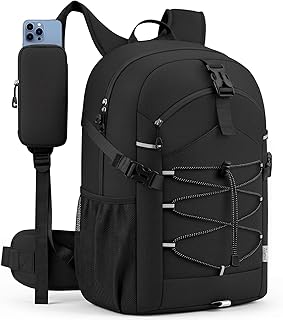
25L Lightweight Waterproof Hiking Daypack
For day trips and shorter half-day charters, the 25L Lightweight Waterproof Daypack is the smarter pick. Twenty-five liters is enough for a guide's personal kit (phone, wallet, sunscreen, hat, water bottle, snacks, a thin rain shell, and a small fly box) without overwhelming the storage compartments of a Hells Bay or Maverick. The waterproof construction and sealed zippers keep the contents dry in heavy spray, and the lighter weight means you barely notice it on your back during a long wade-out. A genuine workhorse pack at a working-guide price point. See the 25L pack on Amazon.
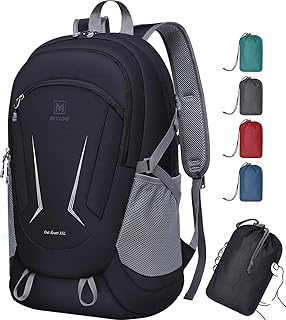
MIYCOO Ultra-Lightweight Packable Hiking Backpack
For guides who already have a primary dry bag and just want a stowable extra that lives crushed inside a console pocket for the moment a client needs to haul gear ashore, the MIYCOO Ultra-Lightweight Packable Backpack is the right tool. It folds down to roughly the size of a fist, weighs almost nothing, and pops out when you need it. Not a primary waterproof pack—but a great backup that costs almost nothing and takes zero deck space. View the MIYCOO packable on Amazon.
Comparison: which waterproof pack fits your guide day?
| Pack | Capacity | Waterproof rating | Best use case | Weight class |
|---|---|---|---|---|
| Maelstrom 40L w/ Rain Cover | 40 L | Waterproof shell + rain cover | Full guide day + overnight remote trips | Standard |
| 25L Lightweight Waterproof | 25 L | Waterproof, sealed zips | Half-day charters, personal kit only | Lightweight |
| MIYCOO Packable | ~20 L | Water-resistant | Stowable backup pack | Ultralight |
Putting it all together for the 2026 season
If you're outfitting from scratch for the 2026 guide season: budget for two pairs of trail shoes (rotate them daily), one primary waterproof pack sized for your typical day, and a packable backup that lives in the console. Pair your trail shoes for saltwater fly fishing mangrove flats with synthetic quick-dry pants, a sun hoodie with built-in face mask, and polarized lenses tuned for shallow water. For more on the rest of the kit, see our guide to wading boots for saltwater flats, our roundup of quick-dry pants for mangrove fishing, and our breakdown of polarized sunglasses for flats fishing.
Frequently Asked Questions
Can I use regular trail runners as trail shoes for saltwater fly fishing mangrove flats?
You can, but they'll only last 4–8 weeks of daily guiding before the upper mesh shreds and the foam midsole starts to delaminate. Standard trail runners are built for dry trails, not constant salt immersion and oyster contact. If you're a weekend angler, a pair of cheap trail runners will get you through a season. If you guide full-time, invest in a purpose-built water shoe or flats sneaker—the cost-per-day math wins easily.
Are felt-sole wading boots good for tropical mangrove flats?
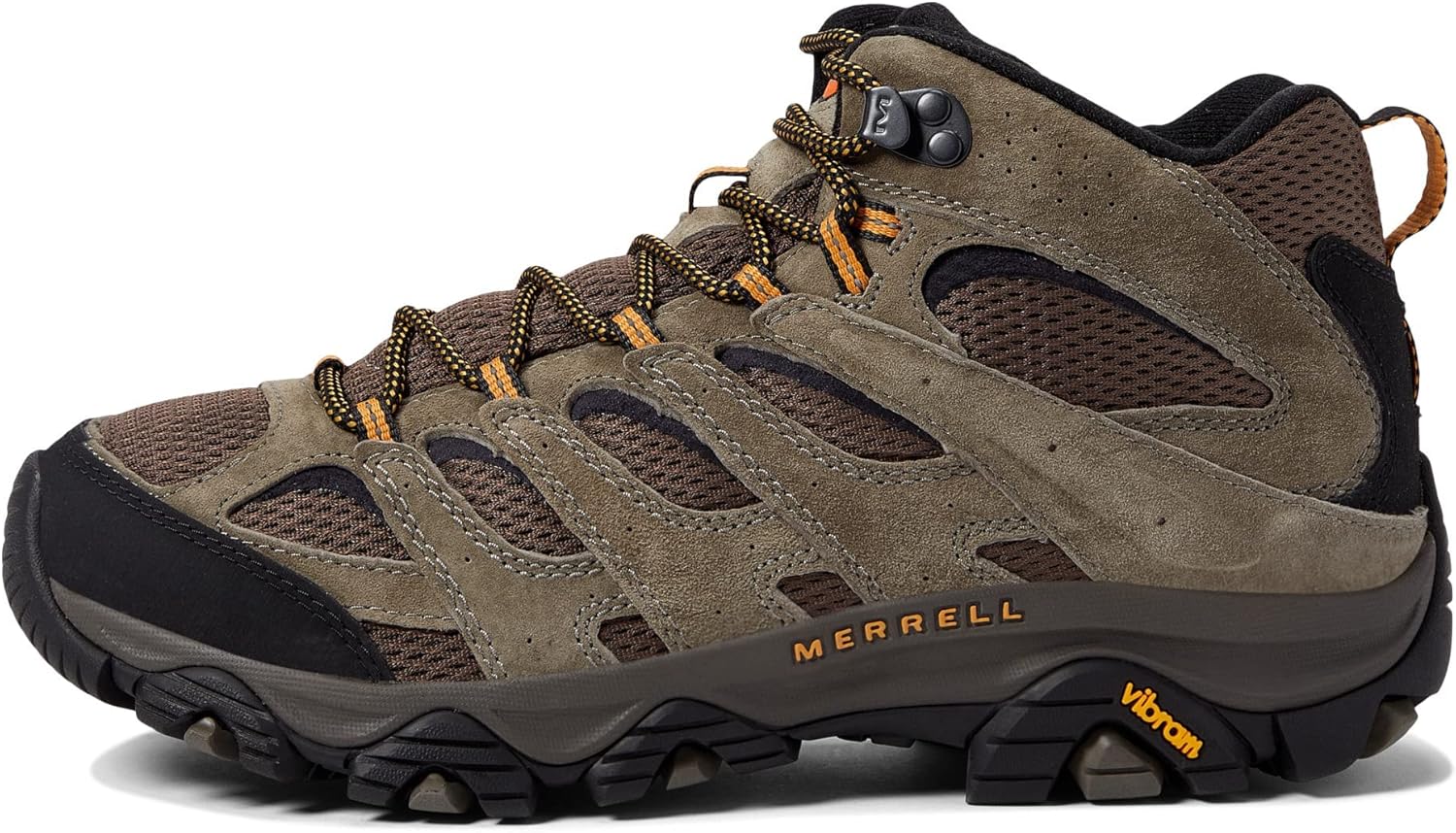
No. Felt soles are banned in many U.S. and Caribbean fisheries because they transport invasive algae and microorganisms between watersheds. They also stay wet for days in humid climates, accelerating rot. Sticky rubber outsoles with deep siping (Vibram Megagrip, Stealth S1, or proprietary compounds from Astral and Korkers) give equal or better grip on slick mangrove roots and dry in hours instead of days.
How do I keep my flats trail shoes from stinking after a guide season?
Rinse with fresh water after every trip, pull insoles to air-dry separately, and once a week soak the shoes in a 50/50 vinegar-and-water bath for 20 minutes. The vinegar dissolves dried salt and kills odor-producing bacteria. Replace insoles every 8–12 weeks of heavy use, and never store shoes wet in a sealed bag or hatch. A small fan blowing over them overnight beats any chemical deodorizer.
Should I wear neoprene socks with trail shoes when wading mangroves?
Most guides skip them in tropical water (mid-70s to high-80s°F) because they trap heat and slow drying. Thin synthetic liner socks help reduce blisters and add a layer of mosquito protection above the cuff, but skip the 3 mm neoprene unless you're guiding in cool spring water in places like the Texas coast in March or the Indian River Lagoon in January.
What size waterproof daypack do I need for a typical guide day?
For a full guide day with lunch, two rain jackets, spare sun gear, and a backup phone, 35–45 liters is the sweet spot—the Maelstrom 40L sits right in the middle of that range. For half-day charters or personal-kit-only use, 20–25 liters (like the 25L Lightweight pack) is plenty. Always size up rather than down: an overstuffed pack stresses zippers and seams, which is how waterproof packs eventually leak.
What's the difference between a flats sneaker and a wet-wading boot?
A flats sneaker (Simms Flats Sneaker, Astral Brewer) is low-cut, lighter, and built for warm tropical water where you're moving constantly between skiff and short wades. A wet-wading boot (Simms Tributary, Korkers Wraptr) has higher ankle support, more aggressive lugs, and a stiffer midsole for long days of standing on rocky river bottoms. For mangrove flats specifically, the flats-sneaker category wins on weight, breathability, and drying speed.
Can I wear my trail shoes on the boat deck without scratching the gelcoat?
Most modern flats sneakers and approach-style water shoes use non-marking rubber compounds specifically formulated to leave no marks on white gelcoat. Verify before buying by checking the product page for "non-marking" language. Avoid any shoe with black carbon rubber as the primary deck-contact area, and rinse the soles between salt wades and deck time to remove abrasive sand and shell fragments that scratch finishes.
Key Takeaways
- Choosing the right trail shoes for saltwater fly fishing mangrove flats means matching capacity and output ports to your actual devices
- Always check actual watt-hours (Wh), not just watts — runtime depends on Wh, not peak output
- Also covers: mangrove wading shoes fly fishing
- Also covers: saltwater flats guide footwear
- Also covers: quick draining trail shoes flats fishing
- Compare price-per-Wh across models to find the best value for your budget