Vineyard harvest season demands footwear that can handle uneven volcanic soil, slick clay after morning fog, embedded stones, and ten-hour shifts up and down sloped rows. The right trail shoes for vineyard workers during harvest combine aggressive lugs for slippery dirt, a rock plate or stiff midsole to deflect stones, breathable uppers that shed grape juice and mud, and ankle support that prevents rolls on terraced rows. In this 2026 guide we cover the exact features to look for, who needs what, and how to extend the lifespan of your harvest shoes across multiple crush seasons.
Why standard work boots fail in the vineyard
Most agricultural work boots are designed for flat barn floors, dairy pads, or muddy paddocks - not the geological mess of a working vineyard. A typical hillside vineyard row in Sonoma, Napa, the Mosel, or the Douro contains a combination of cobble-sized basalt, exposed schist, decomposing granite, and irrigation drip lines. Heavy rubber muck boots overheat in 90-degree September sun, slip on dry duff, and give zero rebound after the third hour. Steel-toe construction boots are too rigid for the constant ankle articulation required when walking across the slope rather than straight up and down it. The result is foot fatigue, blisters at the heel cup, and a higher rate of rolled ankles during the most labor-intensive weeks of the year.
Trail running shoes and lightweight hiking shoes solve most of these problems because they were engineered for the exact same terrain pattern: variable surfaces, sustained traverses, and long days on feet. The trick is knowing which subset of trail shoes actually translates to harvest work, since a featherweight racing flat designed for groomed singletrack will not survive a single week of dragging across granite-studded clay.
When shopping for trail shoes for vineyard workers during harvest, it pays to compare specs, capacity, and real-world runtime before committing.
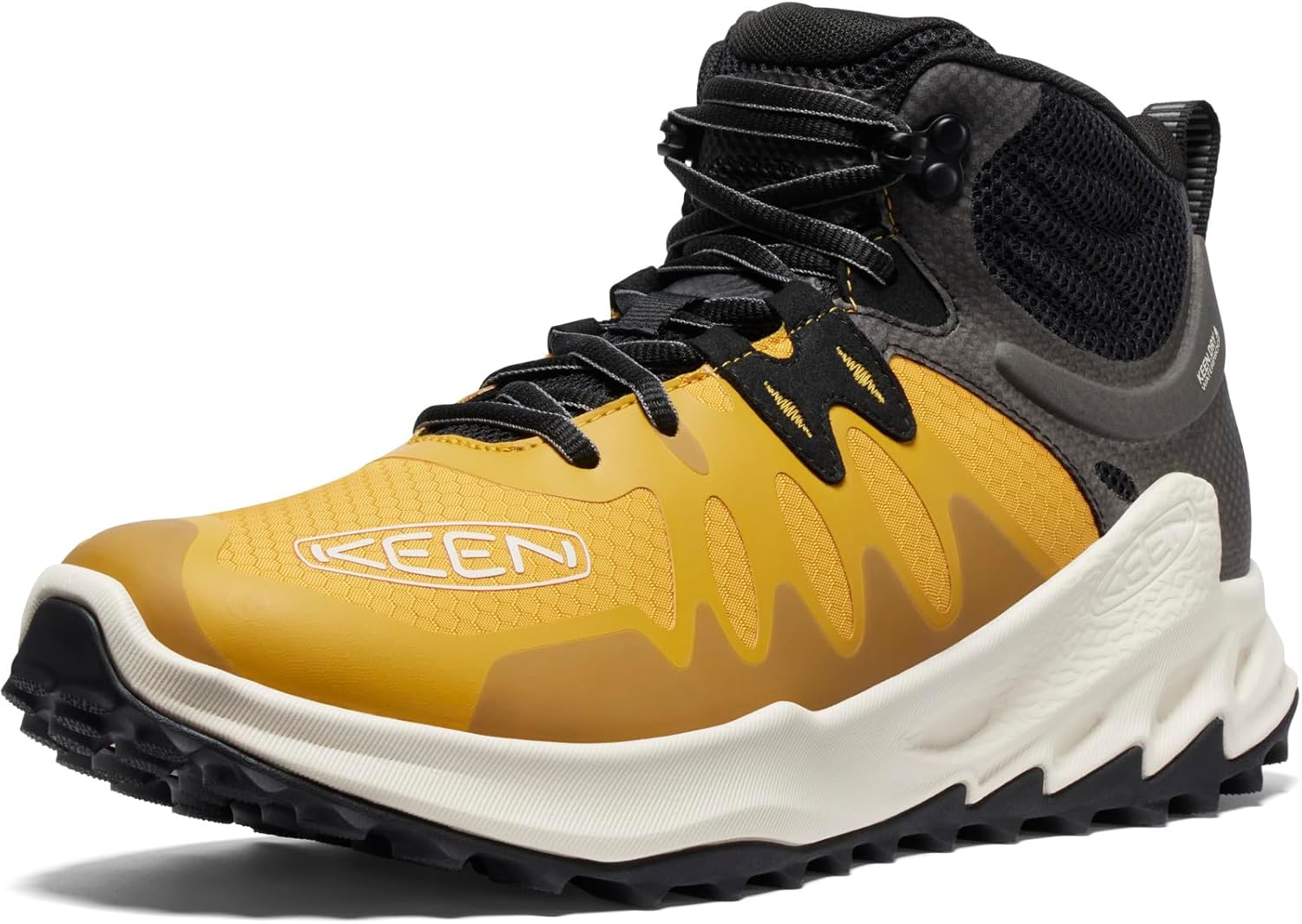
Key features to look for in 2026 trail shoes for vineyard workers during harvest
Aggressive multi-directional lugs (4mm minimum)
Look for lugs of at least 4mm depth with a mix of forward-biting and lateral-stopping geometry. Soft-rubber compounds like Vibram Megagrip, Continental Rubber, and Michelin OCx outperform standard outsole rubber on the slick clay that morning fog produces between rows. Avoid road-to-trail hybrids with shallow 2mm tread - they polish smooth within a few harvest days and become genuinely dangerous on dewy mornings.
Rock plate or stiff forefoot
Embedded stones in old-vine vineyards puncture or bruise unprotected forefeet across an 8-hour shift. A thermoplastic rock plate between the midsole and outsole spreads point loads so individual stones do not concentrate pressure on a single metatarsal. Altra, Salomon, La Sportiva, and Hoka all offer rock-plate models built specifically for technical mountain terrain - those same shoes translate directly to vineyard work.
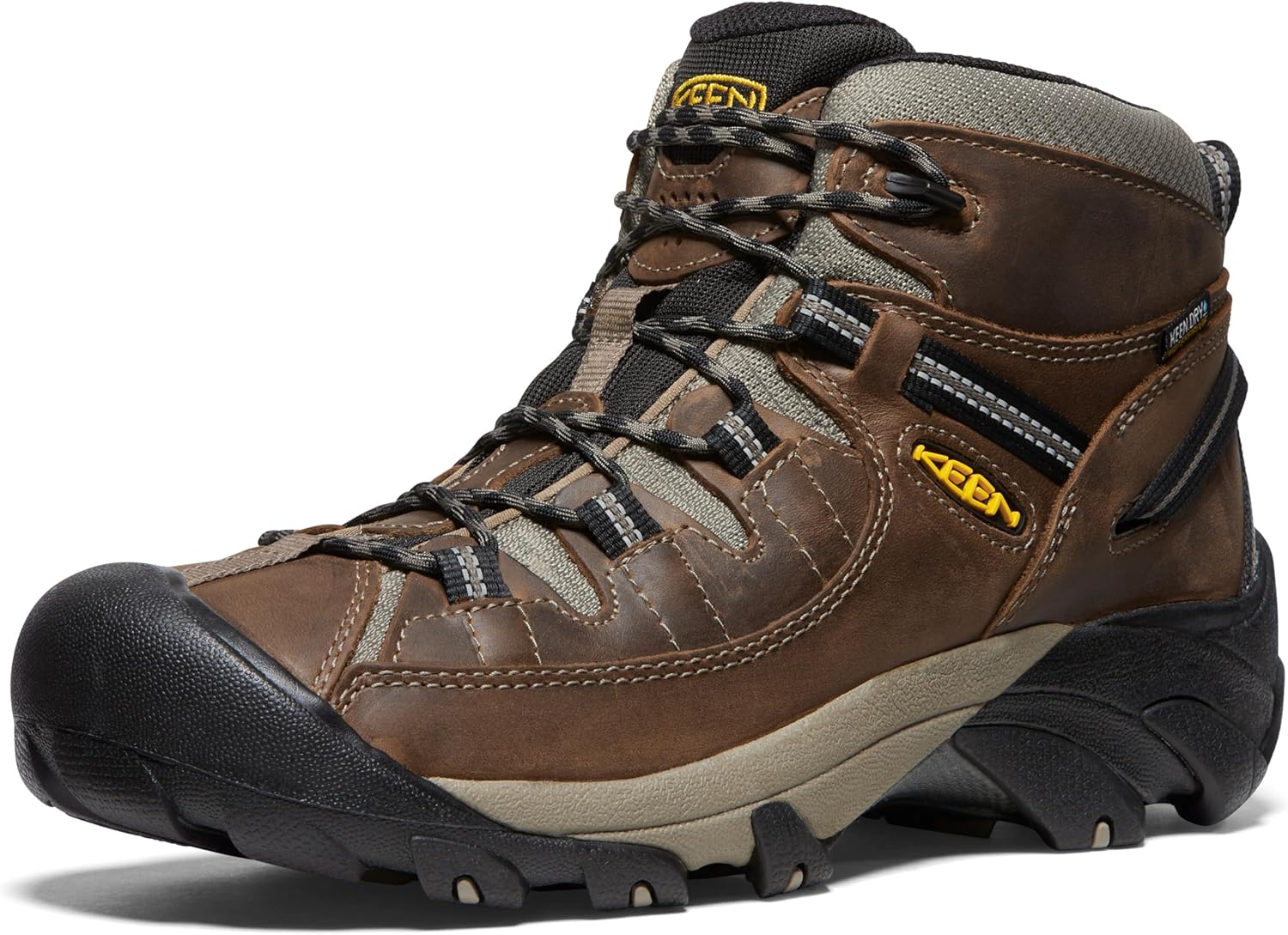
Engineered mesh upper with TPU overlays
A pure mesh upper drains fast but tears on vine canes, trellis wire, and dropped pruning shears. Look for engineered mesh with thermoplastic urethane (TPU) overlays at the toe box and lateral wall. This is the same construction used in fastpacking shoes - it survives abrasion while still venting heat.
Drainage versus waterproofing - pick one
Harvest happens in two weather modes: bone dry with morning dew, or cold and intermittently rainy. Gore-Tex membranes keep dew off your socks for the first hour but trap sweat for the rest of the day. Non-waterproof mesh drains within ten minutes of wading through wet cover crop. For most California, Australian, southern French, and southern Spanish harvests, choose the breathable non-waterproof option. For Oregon, Willamette, Burgundy, Mosel, or New Zealand harvests, waterproof makes sense.
Moderate ankle support without a stiff cuff
A mid-cut trail shoe (not a full hiking boot) provides the right balance: enough collar to limit lateral roll on terraced rows, but enough flex to let you crouch repeatedly to inspect clusters or pick at the vine base. Pure low-cut trail runners are fine on flat sites; mid-cut is safer on slopes above 15 percent grade.
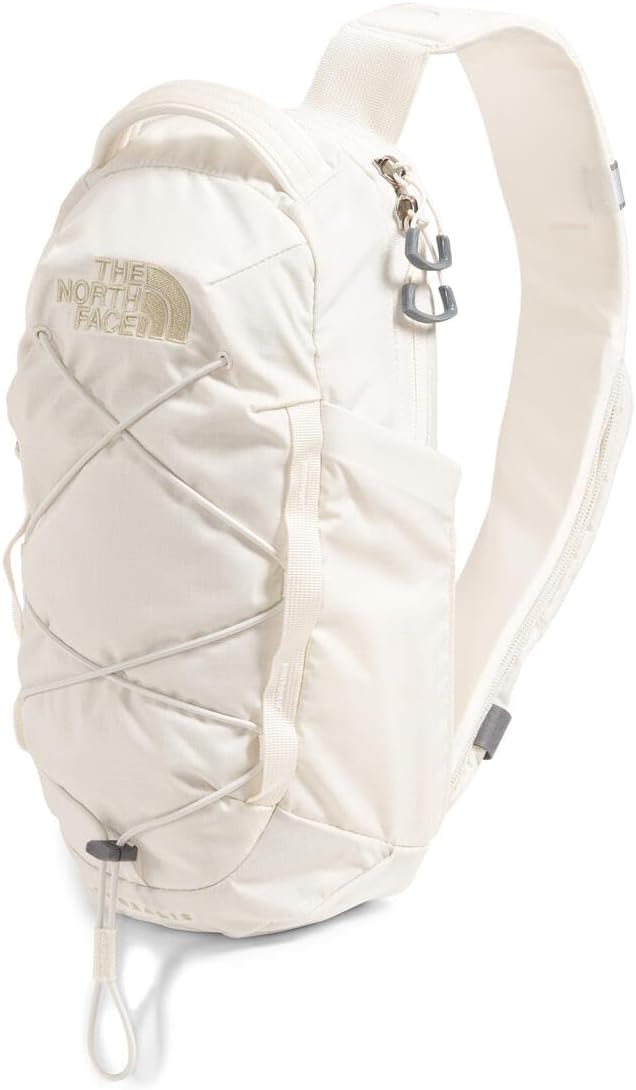
Reinforced toe bumper
You will kick rocks. A molded rubber toe cap is non-negotiable on a working vineyard shoe.
Picks by vineyard condition
Steep terraced vineyards (Douro, Mosel, Priorat, Cinque Terre)
Prioritize mid-cut models with deep Vibram lugs, integrated heel-lock lacing, and a rock plate. The Salomon X Ultra 4 Mid GTX, La Sportiva TX4 Mid, and Hoka Anacapa 2 Mid are all field-proven on terraced schist and old-vine basalt. Size a half-size loose to allow for downhill toe room when walking the steeper end of the block.
Flat rocky rows (Central Valley, Mendoza, Barossa, Lodi)
Lighter low-cut trail shoes like the Brooks Cascadia 17, Saucony Peregrine 14, and Altra Lone Peak 8 work well. Heat and dust are the bigger concerns than ankle support. Choose a wide toe box and a non-waterproof mesh upper for swelling during long, hot shifts.
Wet, muddy harvests (Oregon, Burgundy, Marlborough, Mosel)
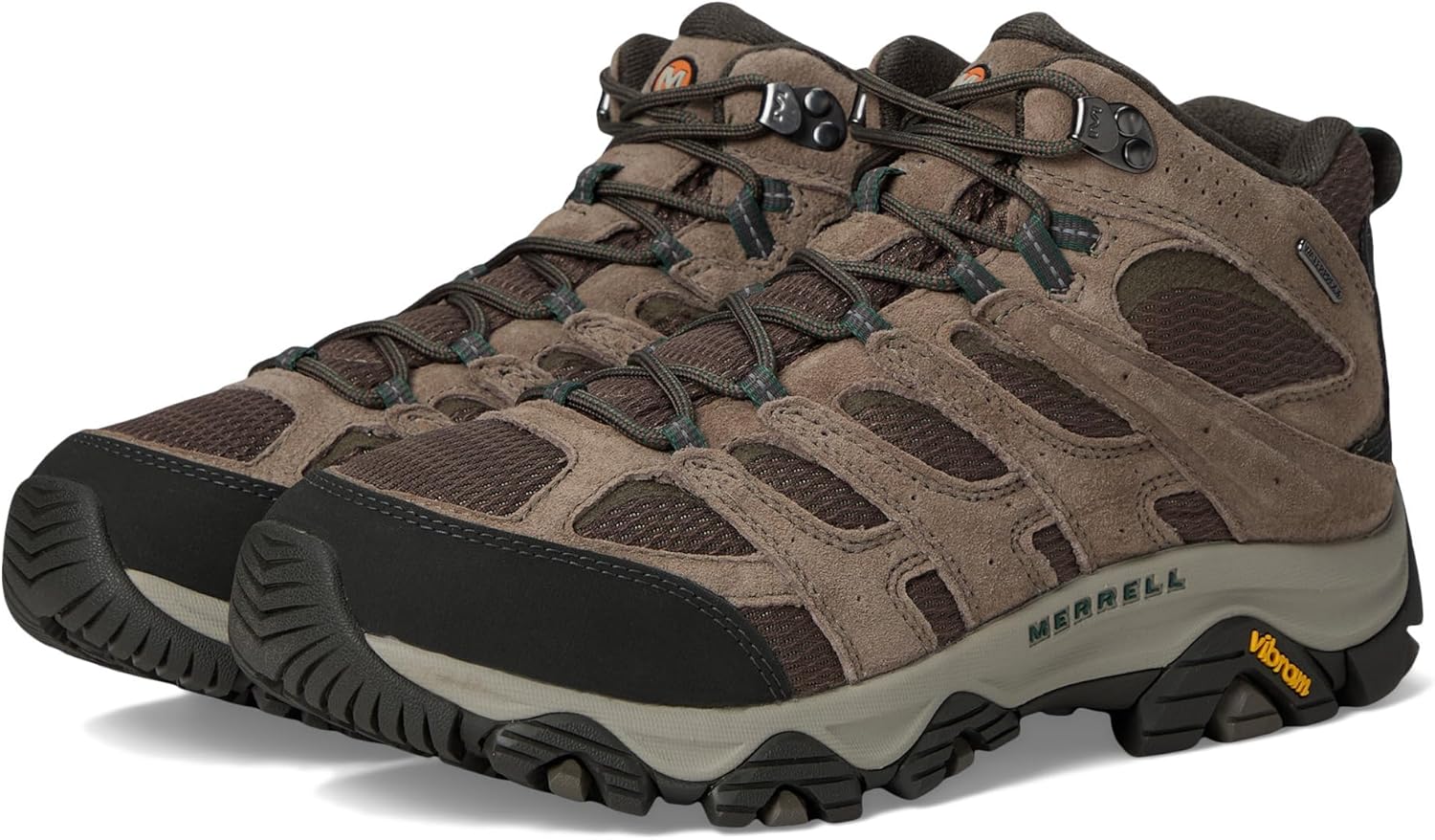
Waterproof mid-cut models with gaiter attachment points are worth the breathability penalty. The Salomon Quest Element GTX, Topo Trailventure 2 WP, and Merrell Moab Speed 2 Mid GTX all hold up. Adding low-profile trail gaiters keeps grit, vine debris, and stray berries out of the collar.
Hot dry harvests with constant kneeling (McLaren Vale, Paso Robles, Stellenbosch)
Look for mesh uppers, EVA midsoles with moderate stack height (24-30mm), and a flexible forefoot. The Hoka Speedgoat 5 and Altra Olympus 5 reduce metatarsal pressure during long days of crouching at vine bases. The cushion also helps cellar workers who alternate between vineyard and concrete-floor crush pad work.
Carrying gear: the harvest daypack question
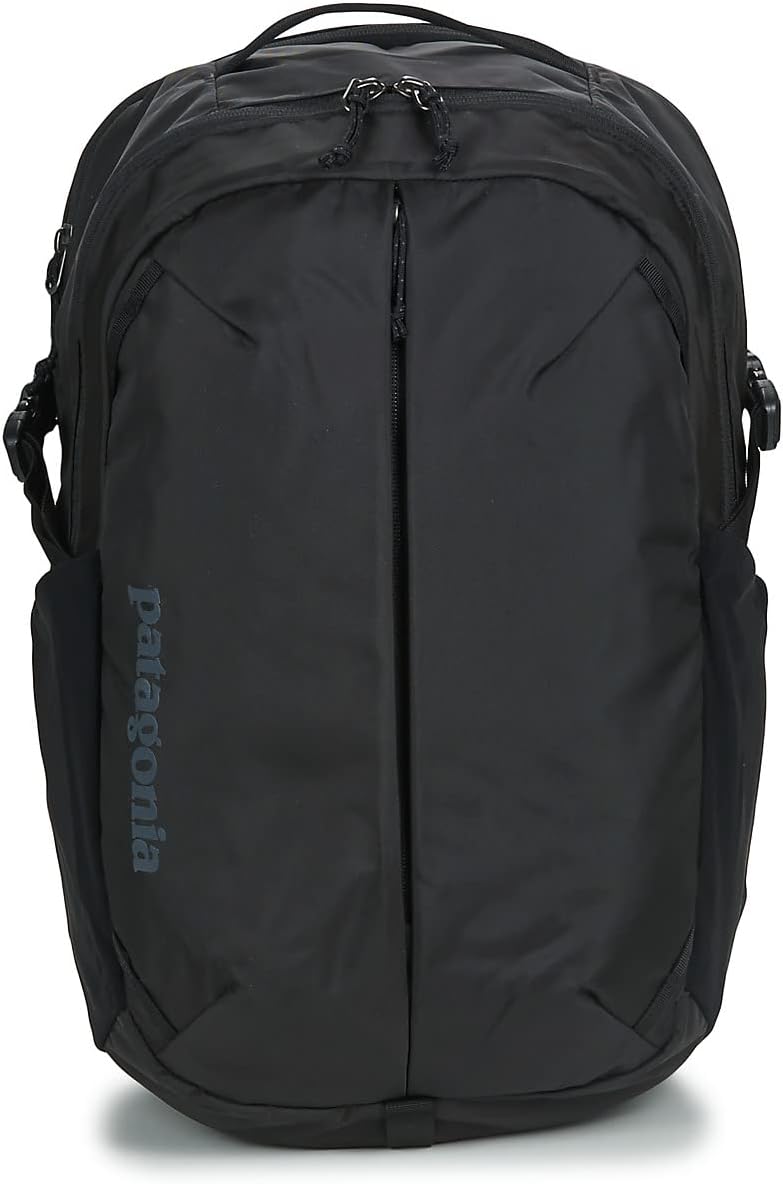
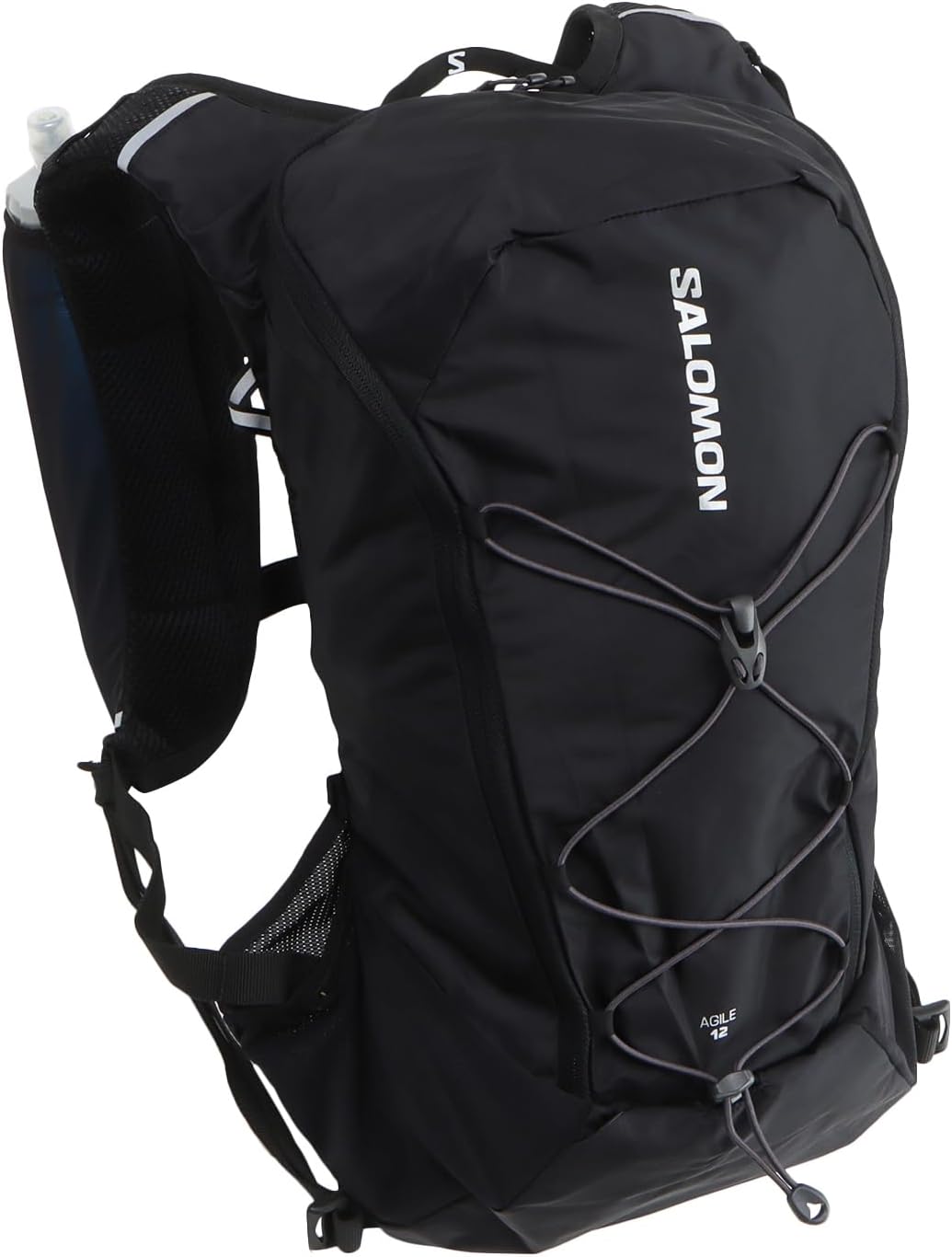
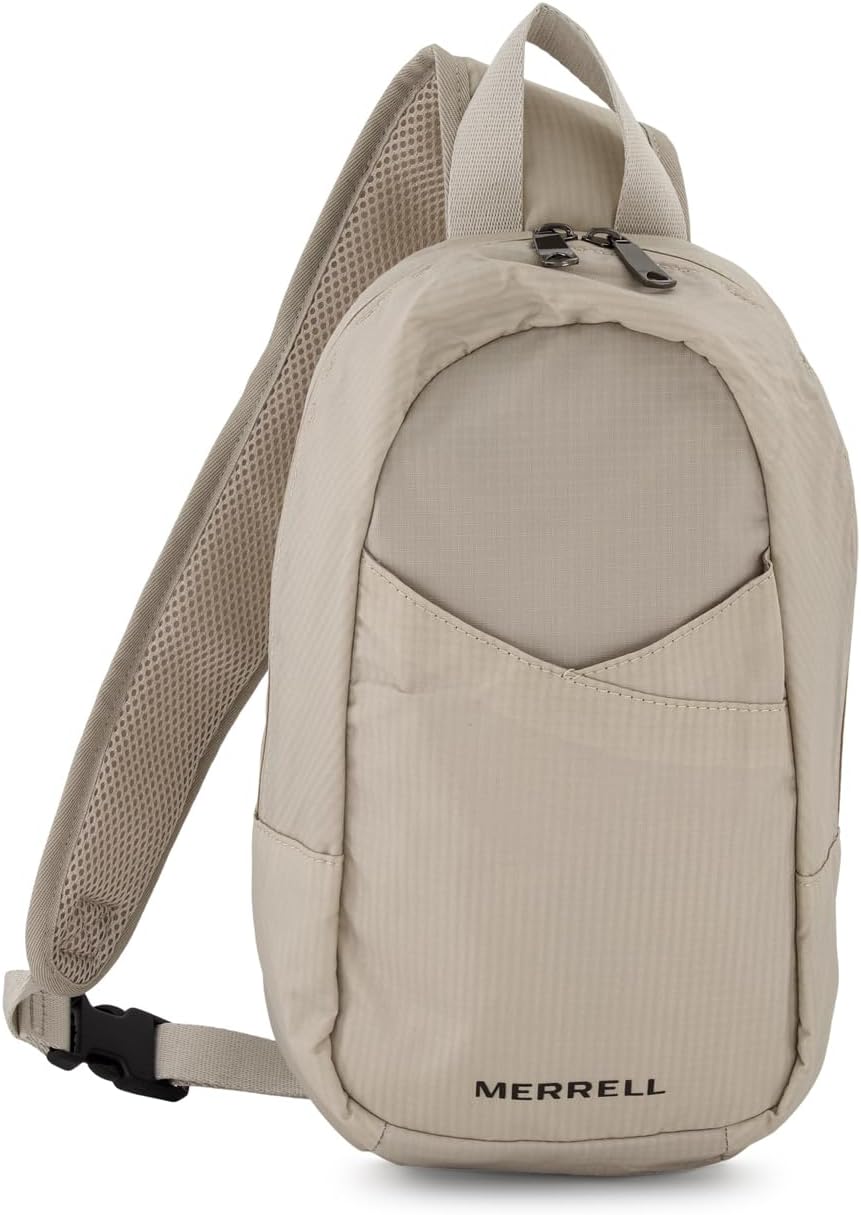
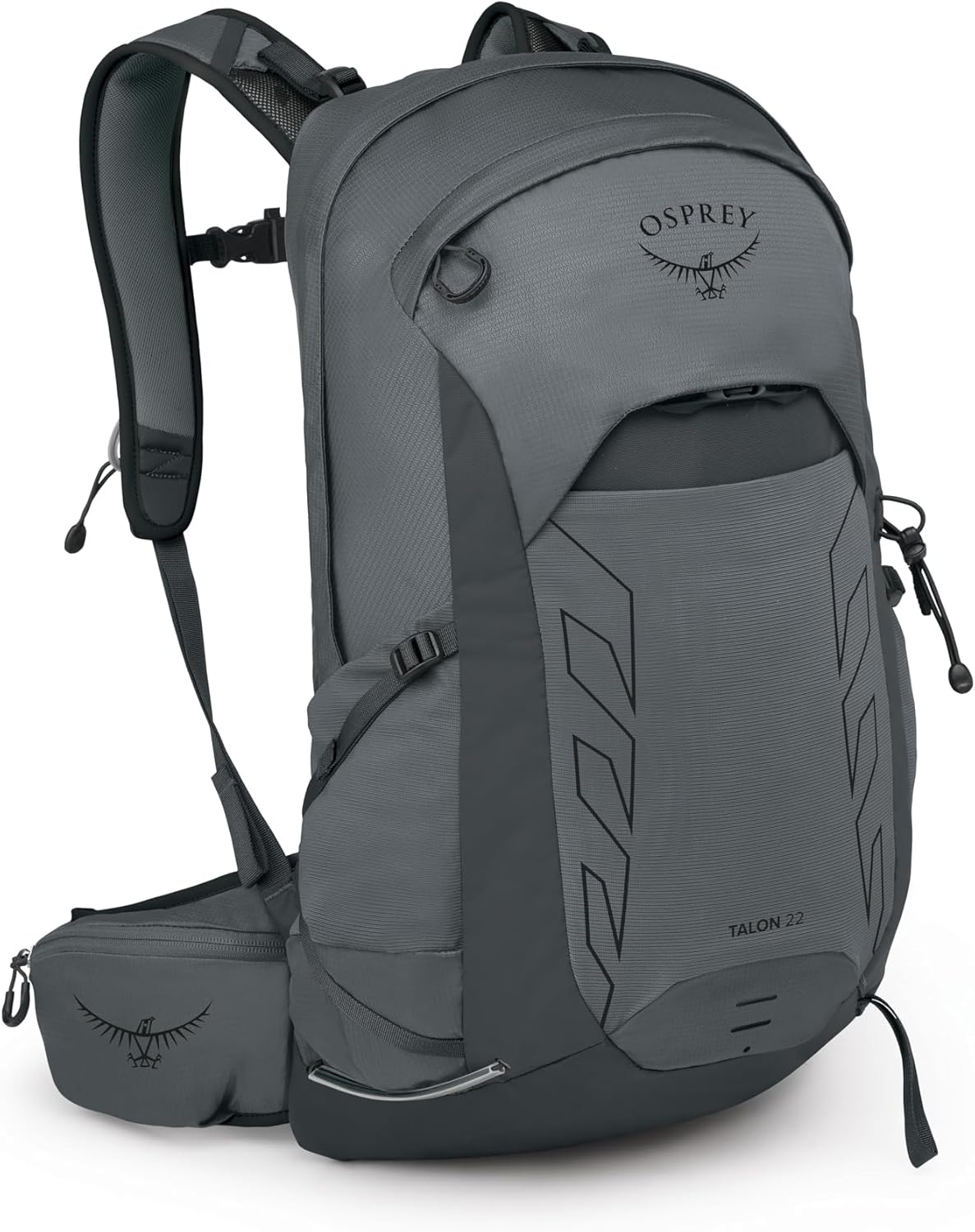
Trail shoes are only half the equation. Most vineyard workers carry a pack throughout the day: water, electrolyte mix, a phone running mapping software, a refractometer, pruning shears, gloves, sunscreen, a snack, sometimes a portable first-aid kit. A hiking daypack works better than a job-site backpack because it ventilates, distributes load across the hips, and survives rough handling on trellis wire without snagging zippers.
Comparison: harvest-friendly daypacks
| Pack | Capacity | Best for | Approx weight |
|---|---|---|---|
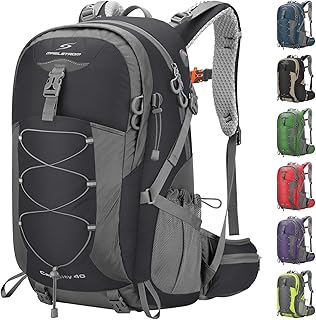
| Maelstrom 40L Waterproof Hiking Daypack | 40L | Long full-day harvests, tool-heavy crews, multi-block walks | ~2.3 lb |
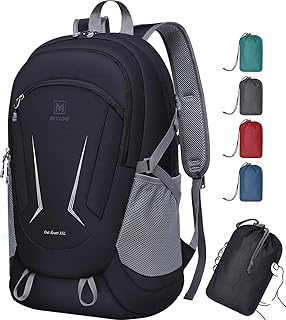
| 25L Lightweight Waterproof Hiking Daypack | 25L | Hot-weather harvest with essentials only | ~1.4 lb |
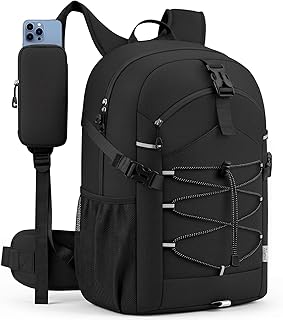
| MIYCOO Ultra-Lightweight Packable | ~20L | Backup pack, ride-along visits, scout days | ~0.5 lb |
Maelstrom 40L Waterproof Hiking Daypack with Rain Cover
The Maelstrom 40L is the right choice if you carry a full kit: 2L hydration, rain shell, extra socks, two field tools, sample bags, and a Bluetooth scale. The waterproof construction with included rain cover handles surprise harvest-week showers, and the padded hip belt keeps weight off your shoulders during repeated row-walks. Check the current 2026 price on Amazon: Maelstrom 40L Waterproof Hiking Daypack.
25L Lightweight Waterproof Hiking Daypack
For most pickers, roving foremen, and assistant winemakers walking the rows, 25 liters is the sweet spot. Enough capacity for water, lunch, layers, sampling supplies, and a notebook; light enough to wear all day without shoulder fatigue. The waterproof shell repels dew, mud splash, and the occasional sticky must spill that comes with juice sampling. View it here: 25L Lightweight Waterproof Hiking Daypack.
MIYCOO Ultra-Lightweight Packable Hiking Backpack
The MIYCOO compresses to fist size and weighs almost nothing - perfect as an emergency backup, a guest pack for visiting buyers, or for the QA tech who only needs to carry a refractometer and a phone between blocks. At under twenty dollars on most 2026 listings, it is a no-brainer add-on for any harvest crew. Grab it: MIYCOO Ultra-Lightweight Packable Hiking Backpack.
Care and maintenance during a working harvest
A pair of trail shoes should last one to two full harvest seasons if you treat them right. Knock off mud at the end of every shift - never let clay dry inside the lugs, since it compresses and prevents the rubber from biting on the next morning's dew. Rotate two pairs if possible so each can fully dry overnight; trapped moisture destroys EVA midsoles faster than mileage does. Re-lace with flat trail laces rather than round laces to prevent self-loosening during traverses. For Gore-Tex models, hand wash with a tech-fabric cleaner once a month during harvest to restore breathability. Replace insoles every 200-300 hours of wear - the foam compresses faster than the outsole wears, and most foot-pain complaints during long harvest weeks trace back to flattened insoles rather than the shoe itself.
Avoid the temptation to power-wash. High-pressure water drives grit into the seam glue and shortens upper life dramatically. A soft brush, lukewarm water, and a mild soap is enough at end of shift.
Sizing for harvest specifically
Feet swell across the course of a 10-12 hour harvest day, often by half a size. Buy your trail shoes a half size up from your everyday running size, and lace them with the heel-lock (runner's loop) technique to prevent forward slide on downhill traverses. Test sizing in the afternoon, never first thing in the morning, since your morning foot is its smallest. If you wear orthotic inserts, bring them to the fitting; they change interior volume by a measurable amount. Choose merino wool socks over synthetic - they regulate temperature better across the 40-degree daily swings of a typical harvest day and reduce blister incidence on long shifts.
For more guidance on accessories that pair with vineyard-grade trail shoes, see our companions best merino wool hiking socks for long days and trekking poles for uneven vineyard terrain. If you rotate between vineyard work and tree-fruit picking, the related hiking shoe guide for orchard workers covers a closely overlapping use case.
Frequently Asked Questions
Are trail running shoes really better than work boots for vineyard harvest?
For most pickers, cellar-rats walking the rows, viticulturists, and harvest interns - yes. Trail running shoes weigh half as much, dissipate heat far better, and provide superior traction on the loose substrate of a typical vineyard row than heavy rubber muck boots. The exception is heavy equipment work or mechanical pruning where puncture and crush protection matter; for those specific tasks, dedicated agricultural safety boots remain the better choice.
Do I need waterproof trail shoes for harvest in California or Australia?
Generally no. Most California and Australian harvests happen in dry weather, and waterproof membranes trap heat and sweat once the day warms up. Non-waterproof breathable mesh is faster drying and significantly cooler in the afternoon. The exception is early-morning dew patrol on cover-cropped blocks, where waterproofing buys you a couple of hours of dry socks before you commit to walking through wet cover crop anyway.
What outsole compound holds up best to schist and basalt vineyard soil?
Vibram Megagrip is the most widely available premium compound and performs reliably on schist, basalt, and decomposed granite. Continental Rubber (used by Adidas Terrex) is comparable. Avoid generic carbon-rubber outsoles, which polish smooth within two or three weeks of consistent harvest use and become hazardous on dewy mornings.
How many harvest seasons should a pair of trail shoes last?
With proper rotation, daily cleaning, and insole replacement, expect one to two full harvest seasons - roughly 500-800 hours of wear - before the midsole foam compresses enough to lose support. The outsole rubber usually outlasts the foam, so when the shoe stops feeling responsive it is the midsole telling you to retire it, not the tread.
Are zero-drop trail shoes like Altra a good choice for vineyard work?
For workers already adapted to zero-drop footwear, yes - the wide toe box and natural foot position are ideal for long days of variable terrain and frequent crouching. For workers transitioning from a traditional 8-12mm drop shoe, ease in over two to three months before relying on zero-drop during harvest, since the calf and Achilles need time to adapt to the new geometry.
Should I size up for harvest trail shoes?
Yes. Feet swell across long shifts. Go a half size larger than your normal everyday size, test fit in the afternoon when feet are at their largest, and use the heel-lock lacing technique to prevent forward slide on downhill traverses. This single change eliminates most harvest-week toe-bruising complaints.
What socks should I wear with trail shoes during harvest?
Mid-weight merino wool crew socks. Merino regulates temperature better than synthetic across the 40-degree daily swings typical of harvest, manages moisture without holding water against the skin, and significantly reduces blister rates on long shifts. Bring a second pair to change into mid-day if your morning pair gets soaked from dew or a juice spill.
Key Takeaways
- Choosing the right trail shoes for vineyard workers during harvest means matching capacity and output ports to your actual devices
- Always check actual watt-hours (Wh), not just watts — runtime depends on Wh, not peak output
- Also covers: vineyard worker footwear
- Also covers: harvest season trail shoes
- Also covers: viticulture work shoes
- Compare price-per-Wh across models to find the best value for your budget