Trail shoes for yurt to yurt Mongolia trekking in 2026 need three non-negotiable traits: aggressive yet non-clogging lugs for steppe grass and scree, a quick-drying mesh upper that survives river fords between ger camps, and a midsole stable enough for 15-25 km daily distances while carrying a light pack. Most yurt-to-yurt routes through the Khangai, Khentii, or Altai mountains involve mixed terrain — packed dirt tracks, wet meadow, braided gravel river beds, and occasional alpine boulder fields — so a low-cut, breathable trail runner with a rock plate outperforms a stiff leather boot for the vast majority of trekkers. Below is the full 2026 buyer’s framework, including the shoe categories to look for, terrain-by-terrain advice, and the daypacks that pair best with a fast-and-light shoe strategy.
Why trail shoes beat boots for yurt-to-yurt routes
Classic Mongolian yurt-to-yurt expeditions — whether you book through Eternal Landscapes, Nomadic Journeys, or arrange directly with a herder family near Tsenkher or Khövsgöl — typically average 18 km a day on rolling terrain at 1,800-2,800 m elevation. You sleep in a ger every night, meaning you do not need the load-bearing ankle support that stiff boots provide for 25 kg expedition packs. A daypack rarely exceeds 8 kg, and your gear is hauled between gers by horse cart or 4×4 in many outfitters’ itineraries. That changes the math entirely. Trail runners weigh 40-55% less than mid-cut boots, dry overnight on a ger stove rack, and grip wet grass better than Vibram-soled boots designed for European granite.
Veteran guides on the Orkhon Valley loop now overwhelmingly recommend trail shoes over boots, citing fewer blisters, faster river-crossing recovery, and better proprioception on uneven steppe. The clear exception: late-season treks (mid-September onward) in the Altai, or any itinerary that pushes above 3,200 m, where insulated mids and a more protective upper may be warranted.
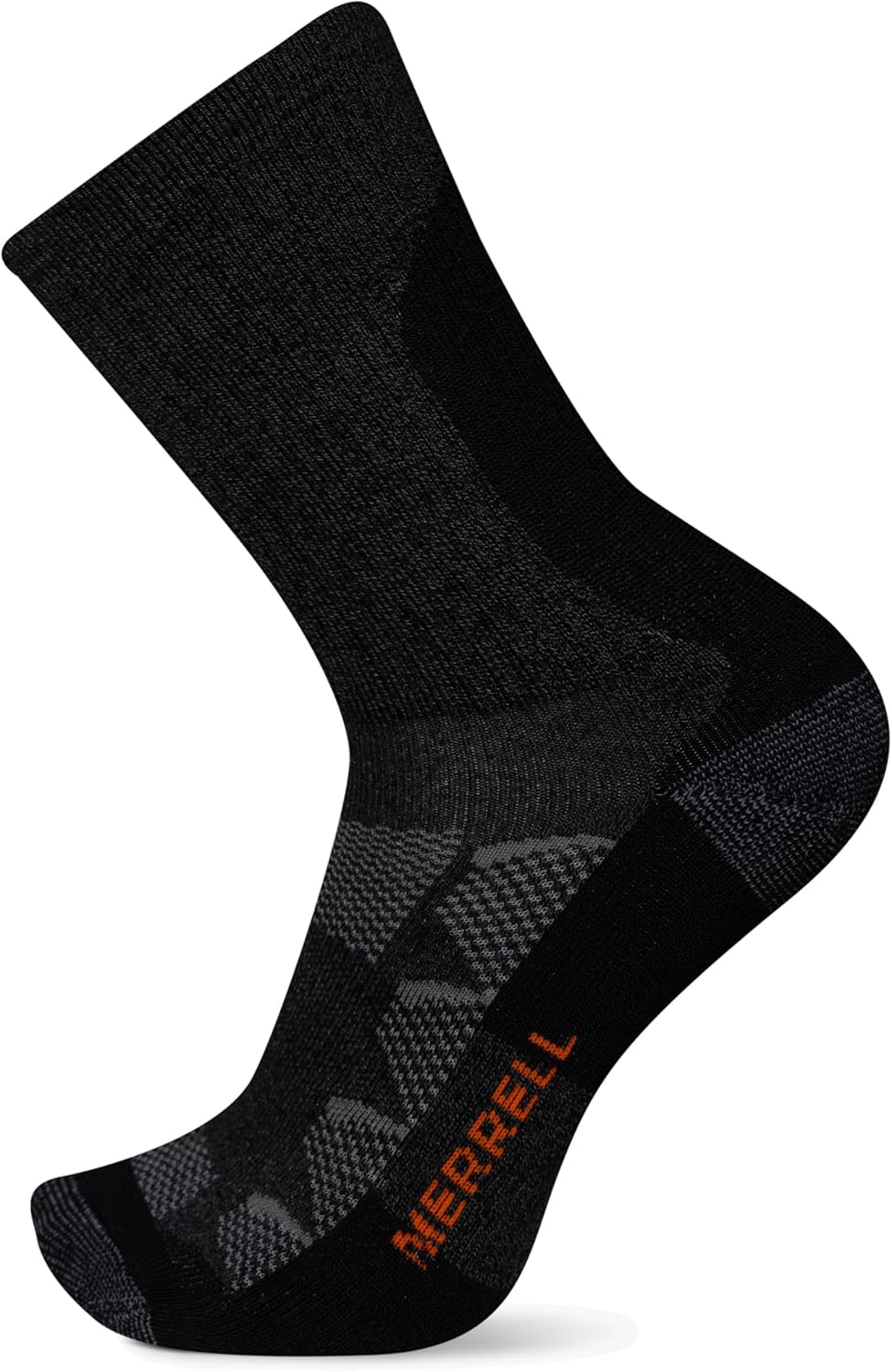
The four terrain types you will cross
1. Open steppe. 60-70% of total yurt-to-yurt distance is rolling grassland. Dry grass and packed soil reward a moderate 4 mm lug pattern — anything deeper packs with mud after rain.
2. River fords. Expect one to four unbridged crossings per day in the Khangai and Khentii ranges. Shoes that drain in under 60 seconds (mesh uppers, no waterproof membrane) win here. Counterintuitively, Gore-Tex shoes are the wrong choice — they trap water once it floods over the cuff and stay wet for days.
3. Gravel and scree on pass climbs. A rock plate or TPU shank prevents stone-bruising on long descents from passes like Naiman Nuur or the Khorgo crater rim.
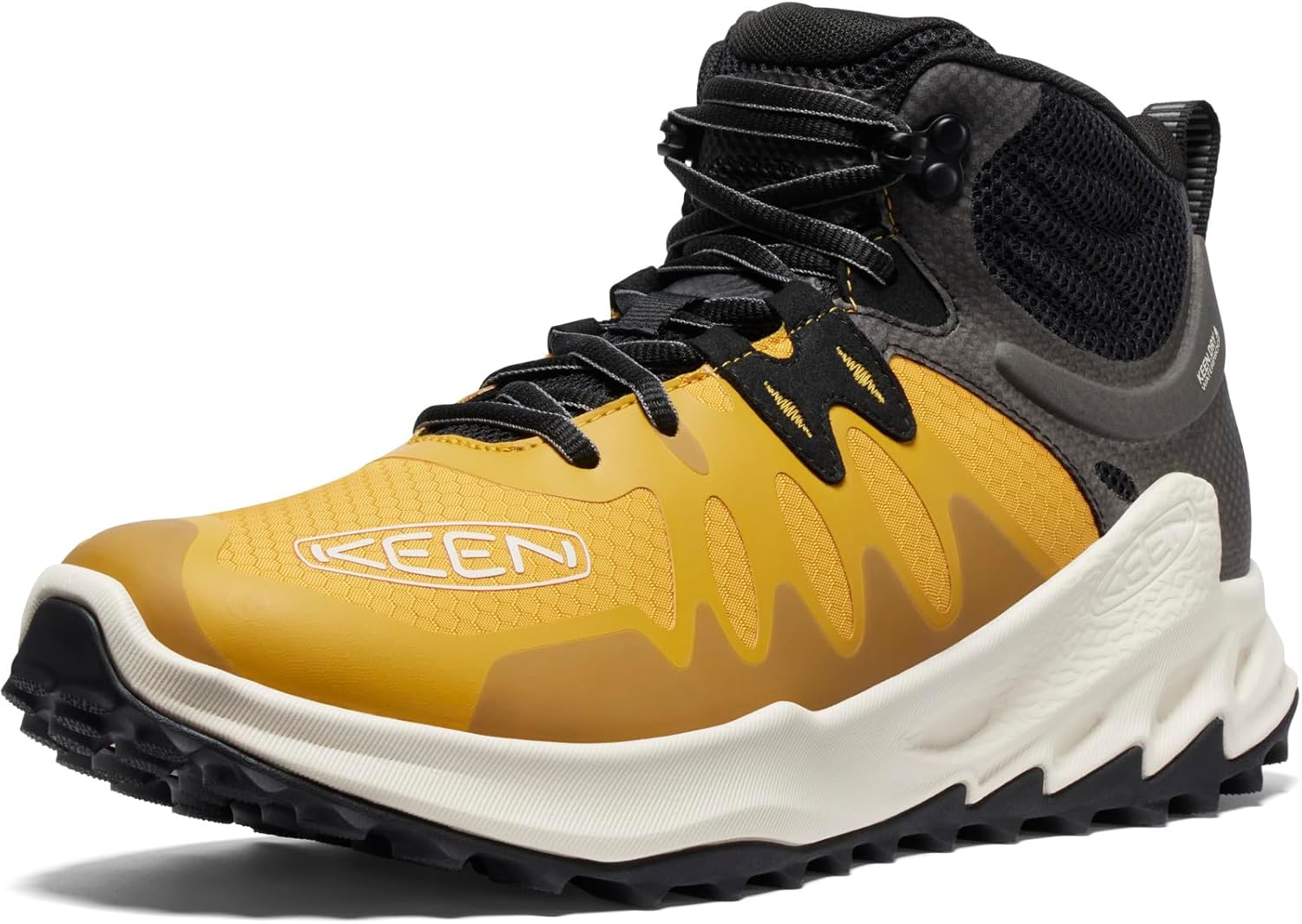
4. Boggy meadow. Glacial outwash zones near Khövsgöl and the Tavan Bogd region produce ankle-deep mud. Here, lug height matters — 5 mm or deeper sheds clean.
Key features to demand from your 2026 trail shoes
- Non-waterproof mesh upper — fords drain fast, sweat escapes on hot August steppe days.
- Rock plate or TPU shank — protects the forefoot on scree descents.
- 4-5 mm multidirectional lugs — balanced for grass, gravel, and mud.
- Reinforced toe bumper — Mongolian larch roots and basalt fragments shred soft toe caps.
- Heel-to-toe drop of 6-10 mm — comfortable for mixed-pace days, easier on calves than zero-drop on long descents with a light pack.
- Standard laces or quick-lace gussets (skip BOA) — fine steppe grit destroys BOA dials, and replacement parts simply do not exist in Ulaanbaatar.
Pairing your shoes with the right daypack
The pack you carry between gers matters almost as much as your shoes. Yurt-to-yurt trekkers typically need 25-40 L of capacity for layers, lunch, 2-3 L of water, camera gear, and small gifts for host families. A pack that is too heavy or rides poorly transfers stress to your feet within three days, undoing the benefit of choosing lightweight trail shoes in the first place. Below is a comparison of three light-to-mid capacity daypacks that genuinely pair well with a trail-runner shoe strategy on Mongolian routes.
| Pack | Capacity | Waterproofing | Best for | Approx. weight |
|---|---|---|---|---|
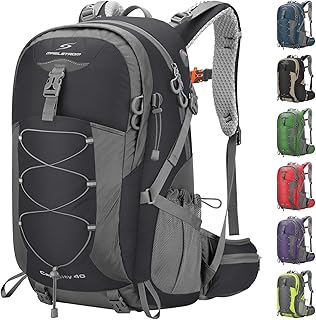
| Maelstrom 40L | 40 L | Yes + rain cover | Self-supported routes, camera kit, two-day layers | ~1.1 kg |
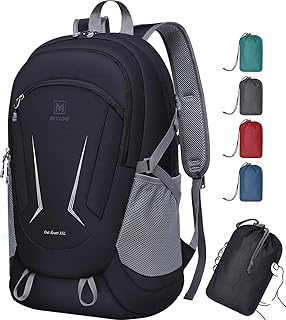
| 25L Lightweight | 25 L | Yes | Outfitter-supported routes, summer steppe | ~0.7 kg |
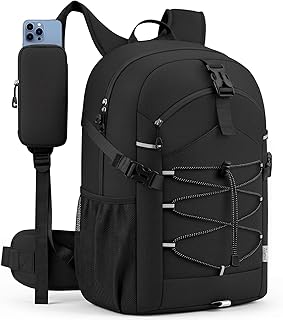
| MIYCOO Packable | ~20 L | Water-resistant | Summit-day kit, backup pack inside luggage | ~0.2 kg |
Maelstrom 40L Waterproof Hiking Daypack with Rain Cover
The 40-litre Maelstrom is the pick when you carry your own gear between gers — typical on self-guided Khangai or Khentii routes where the support vehicle will not reach you for two or three nights. Its included rain cover handles the surprise afternoon thunderstorms that sweep central Mongolia from late June through August, and the internal frame transfers load to the hips so your trail shoes are not absorbing pack bounce on long descents. The hydration sleeve fits a 3 L bladder — important because between-ger water sources are unreliable and almost always need iodine treatment before drinking. Check current price on Amazon.
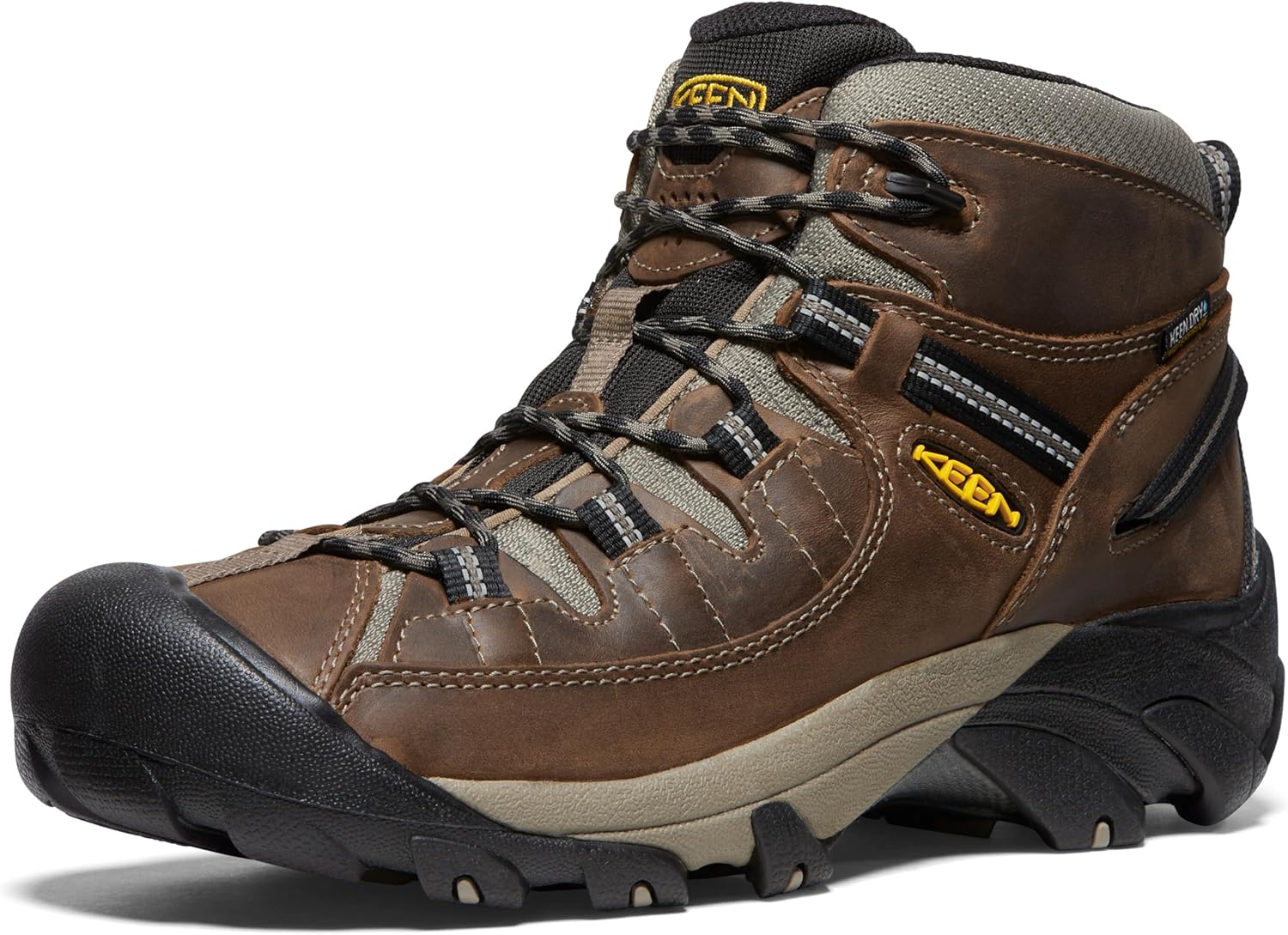
25L Lightweight Waterproof Hiking Daypack
If your outfitter ports the bulk of your gear by horse cart or jeep — the model used by most operators on the Eight Lakes (Naiman Nuur) or Khövsgöl loops — 25 L is plenty for a day-of-trek kit: shell, fleece, 2 L water, lunch, sunscreen, camera, and a small first-aid kit. The waterproof shell fabric matters because afternoon storms in the Khangai are short but violent, and you do not want a soaked spare layer when you arrive at a 2,500 m evening ger. The lighter load pairs naturally with low-cut trail shoes because the modest weight keeps your gait economical across 20+ km days. Check current price on Amazon.
MIYCOO Ultra-Lightweight Packable Hiking Backpack
This is your second pack, not your primary. Stuff it inside your main duffel for the Ulaanbaatar arrival, then use it for summit-day side trips when you stash your bigger pack at the ger — for example day-hiking up to a Khorgo crater rim or a Naiman Nuur ridgeline while your host family minds the bulk of your kit. At roughly 200 g it is barely a weight penalty in your luggage, and it doubles as a market bag in Ulaanbaatar or Mörön. Trail-shoe trekkers especially appreciate that a packable secondary lets them keep their primary pack dry inside the ger during day excursions in unpredictable Mongolian weather. Check current price on Amazon.
Sizing and break-in for trail shoes
Sizing trail shoes for yurt to yurt Mongolia trekking correctly is the difference between a magical week and an early evacuation. Order a half size up from your road-running size. Feet swell 3-5% over an 18 km Mongolian trekking day, and the gap between a snug fit at the trailhead and a blistered fit at the evening ger is exactly that half size. Break the shoes in for at least 50 km on mixed terrain at home before flying to Ulaanbaatar — never on Mongolian dirt itself. Bring two pairs of merino socks per day plus a single backup pair; cotton socks are the single most common cause of blisters reported by guides at Hike Mongolia and Stone Horse Expeditions.
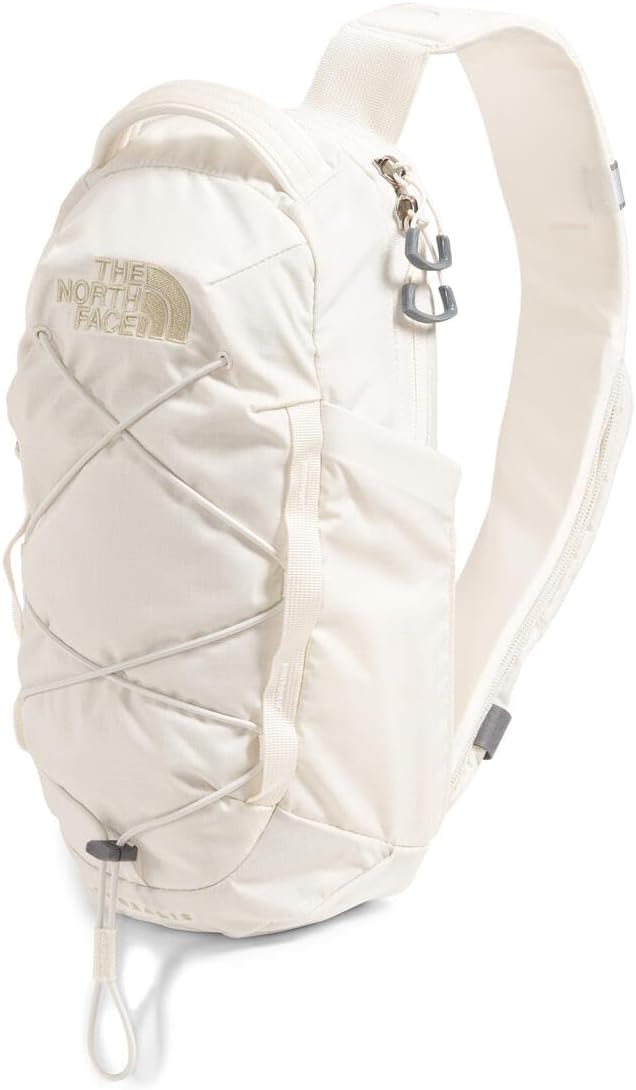
What to pack with your trail shoes
- Lightweight gaiters — keep steppe grass seeds out of the mesh upper
- Trekking poles — see our guide to the best trekking poles for uneven steppe terrain for adjustable carbon options
- Camp shoes (sandals or down booties) so your trail shoes can dry overnight by the ger stove
- Spare laces — fine grit shreds them faster than you expect
- A 30 ml bottle of silicone seam sealant and a sewing awl for upper repairs
For a deeper dive into pack selection, see our companion guide on the best hiking backpacks for multi-day Asia treks, and if you are debating a heavier-duty option for shoulder-season Altai trips, our roundup of the best trail shoes for river crossings goes deeper on drainage performance and outsole rubber compounds.
Frequently Asked Questions
Are waterproof trail shoes worth it for Mongolia treks?
No. Most experienced guides recommend non-waterproof mesh trail shoes for yurt to yurt Mongolia trekking because rivers in the Khangai and Khentii are nearly always above ankle height. Gore-Tex shoes flood and then take 48+ hours to dry, while mesh shoes drain in under a minute and dry overnight on a ger stove rack.
Can I wear hiking boots instead of trail shoes on a Mongolian ger-to-ger trek?
You can, but you will be hotter, slower, and more blister-prone. Boots make sense only if you are carrying a full expedition pack (15+ kg) on a non-supported route, or trekking in late September and October when nights drop well below freezing. For typical July-August outfitter-supported yurt-to-yurt routes, low-cut trail shoes are objectively the better tool.
What lug depth works best on Mongolian steppe and gravel?
A 4-5 mm multidirectional lug pattern is the sweet spot. Anything shallower slips on wet grass; anything deeper packs with sticky black soil after rain and stops draining. Brands like Salomon (Speedcross, Sense Ride), Hoka (Speedgoat), and Altra (Lone Peak) all offer 2026 models in this range that work well across Mongolian terrain.
How many pairs of socks should I bring for a 10-day yurt-to-yurt trek?
Bring six pairs of merino wool socks (medium thickness, mid-calf height) plus one warm pair reserved for sleeping. You will rinse and rotate them daily — gers always have a wash basin. Merino dries overnight by the stove and resists odor even with five days between proper washes. Skip cotton entirely; even cotton-blend socks soak through and stay wet.
Do I need trekking poles with my trail shoes in Mongolia?
Yes for any route involving mountain passes (Naiman Nuur, Khorgo, Tavan Bogd) or unbridged river crossings. Poles reduce knee load by roughly 25% on descents and provide critical stability when fording mid-thigh-deep glacial rivers. Lightweight carbon Z-poles pack inside even the smallest daypack and weigh under 400 g per pair, so there is no reason to skip them.
How should I adjust shoe sizing for high-altitude foot swelling?
Order a half size up from your usual running shoe size, and choose a model with a wider toe box if you have any history of forefoot numbness. At 2,500-3,000 m, mild edema causes feet to swell 3-5%, and a shoe that fit perfectly in the morning can press painfully on toes by evening. Lace looser in the morning and re-tension at lunch as feet expand.
Can I buy good trail shoes in Ulaanbaatar if mine fail?
Selection is limited and prices are 30-60% higher than in the US, EU, or Korea. Goyo and a few Seoul Mart locations carry Salomon, Merrell, and some Kolon Sport models, but stock runs out in peak July-August. Always bring your shoes from home and pack a spare insole. A pair of failed shoes mid-trek is the single most common preventable expedition issue reported on yurt-to-yurt itineraries in 2026.
Key Takeaways
- Choosing the right trail shoes for yurt to yurt Mongolia trekking means matching capacity and output ports to your actual devices
- Always check actual watt-hours (Wh), not just watts — runtime depends on Wh, not peak output
- Also covers: Mongolia steppe trail shoes
- Also covers: yurt trek expedition footwear
- Also covers: Mongolian highlands hiking shoes
- Compare price-per-Wh across models to find the best value for your budget