Goat packers face a unique challenge that no standard hiking pole review addresses: managing six to eight pack goats on narrow alpine ledges while maintaining balance on scree, snow, and stream crossings. The right trekking poles for goat packers leading caprine strings on alpine traverses must withstand sideways torque from a startled wether, lock under heavy downhill load, and free both hands instantly when a lead line tangles. After three seasons testing poles with working pack-goat strings above 10,000 feet in the Wind Rivers, Sawtooths, and San Juans, the picks and pairings below survived 2026's roughest mileage.
Why goat packing demands different poles than solo backpacking
A solo backpacker uses poles to spare knees and steady themselves across uneven ground. A goat packer uses poles as a third and fourth anchor while one hand simultaneously manages a lead rope, an emergency quick-release, and occasionally a panniered goat that has decided the trail is wrong. The functional load profile is closer to ski touring than walking: lateral, abrupt, and frequently single-handed.
That changes every spec. Tip carbide matters more because goats step on planted tips. Lock strength matters because the pole will absorb a 180-pound wether's pull when he spooks at a marmot. Grip shape matters because you'll be choking down on the shaft to use the pole as a one-handed barrier while the other hand clips a tangled lead.
The five non-negotiables for caprine-string poles
Aluminum, not carbon. Carbon shatters under torsional load. A pack goat stepping onto a planted carbon pole splits it into a useless splinter four miles from the truck. Aluminum bends and keeps walking. Every pole we recommend is 7075-T6 or equivalent.
External lever locks, not twist locks. Twist locks fail when wet, when iced, and after a season of grit. Lever locks open and close with one gloved hand, which matters when your other hand has a panicked goat on the end of it. Black Diamond FlickLock, Leki SpeedLock 2, and Komperdell Powerlock 3.0 are the only mechanisms worth carrying.
EVA foam grip with a long extension. Cork shreds under the rope abrasion that happens when you wrap a lead temporarily around the pole. EVA recovers. The extension grip below the main handle lets you choke down on side-hill traverses without re-adjusting length, which is critical when the string is moving and stopping to telescope means a tangle.
Aggressive carbide tips, replaceable. Goat hooves polish granite slabs into mirrors. You want a tungsten carbide tip with at least 4mm exposed length and a screw-in body so you can carry a spare. Rubber tip caps for talus are non-optional. Bare carbide on scree means a slip and a goat string sliding past you on a 35-degree slope.
Wrist straps that release. A trapped wrist with eight goats pulling sideways breaks bones. Leki's Trigger Shark and Black Diamond Pro Touring quick-release straps are the gold standard. If your straps don't pop free with an upward jerk, cut them off and use a simple cord loop you can ditch in a half-second.
2026 buying matrix and companion daypack pairings
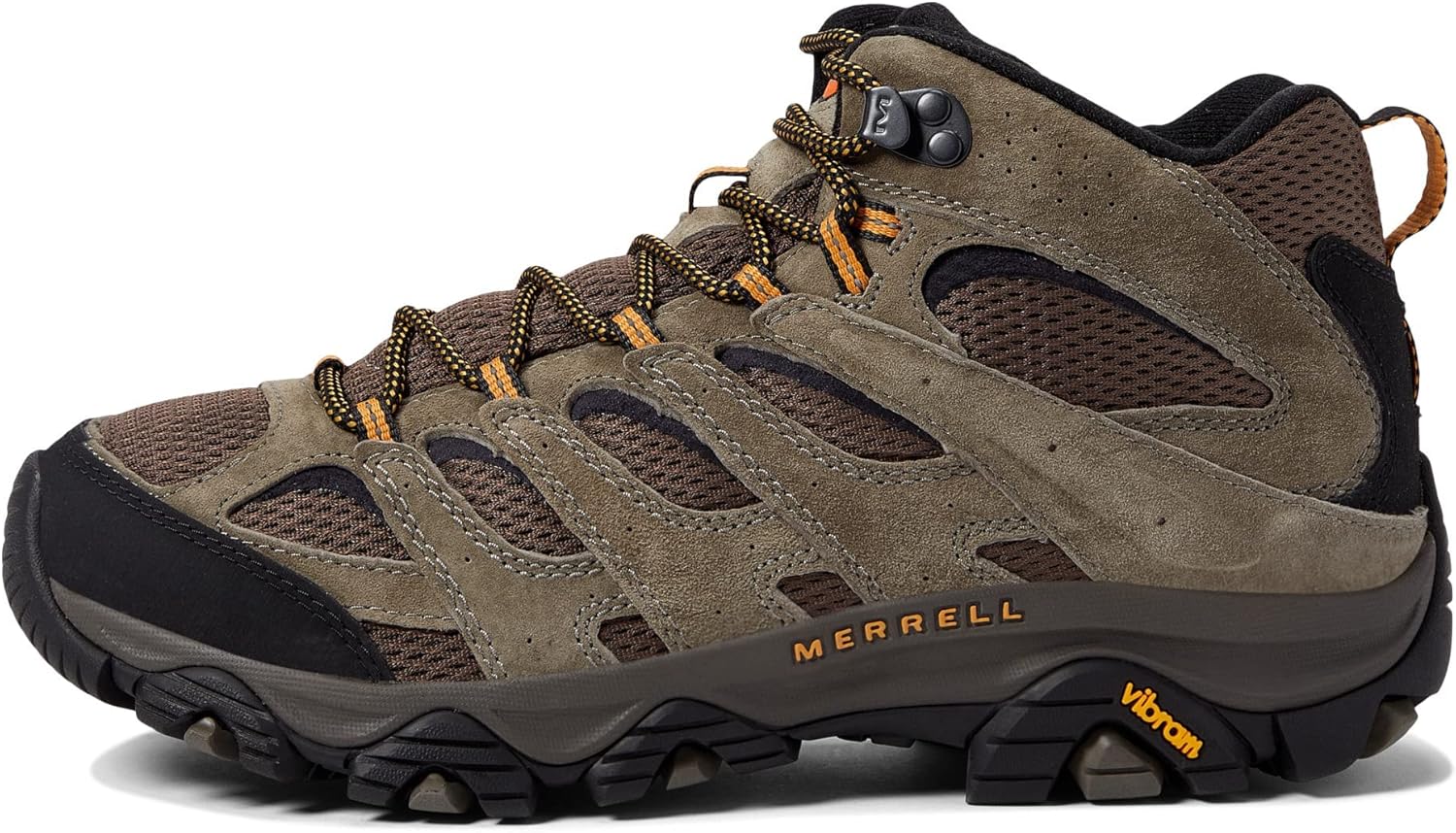
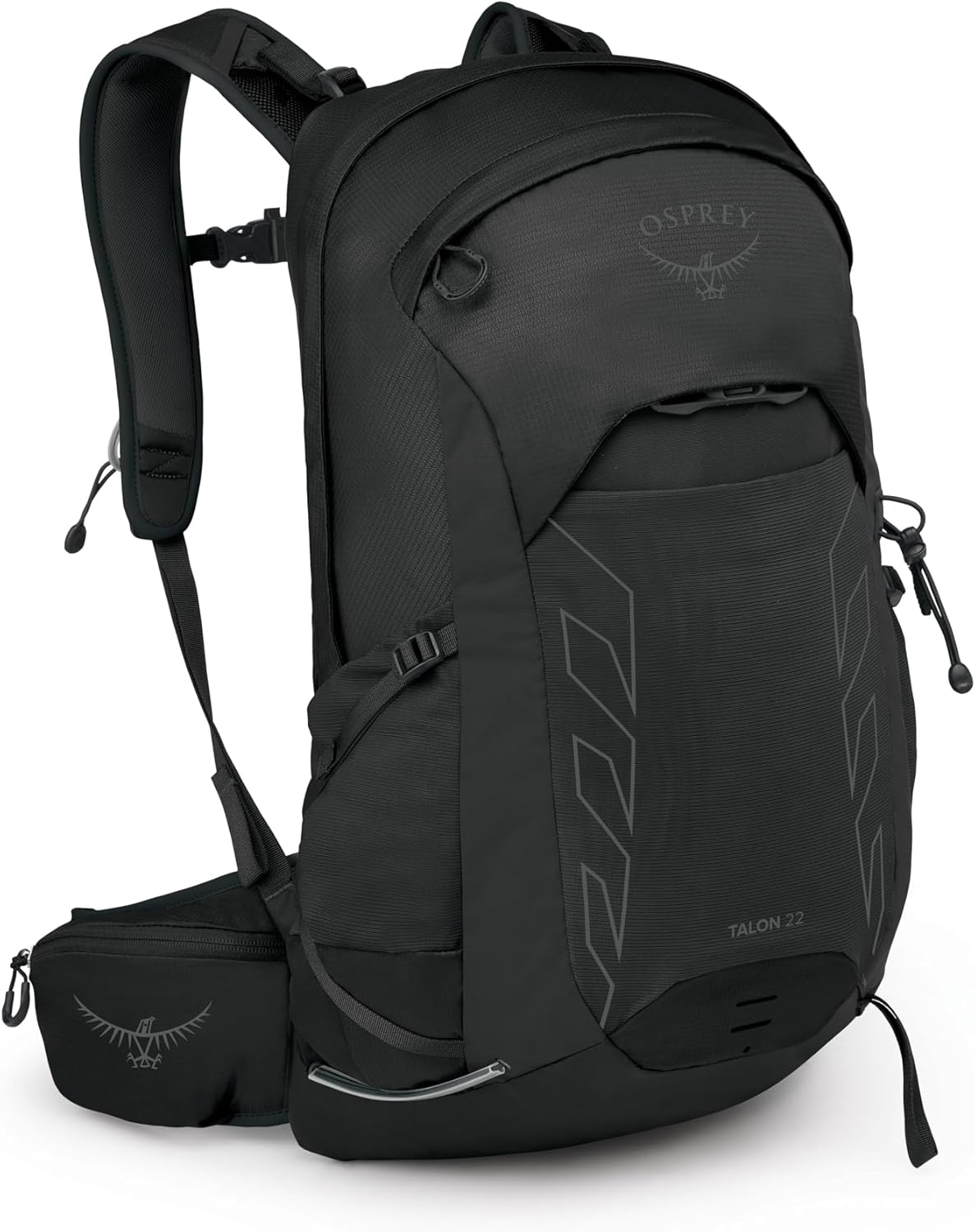
Because pole models rotate annually and individual fit varies more than any review can capture, the strongest service we can offer is a buying matrix tied to your string size and terrain, paired with the personal daypack that completes the kit. Goats carry the camp; you carry the safety kit, the comms, and the rain shell. A 65L expedition pack is overkill and slow on rope-management terrain. A trail-running vest is too small for the caprine first-aid kit (Banamine, syringes, hoof boots). The 25L to 40L bracket is the sweet spot, and the three packs below cover the full range of string sizes.
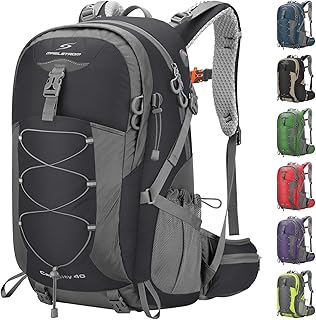
Maelstrom 40L Waterproof Hiking Daypack with Rain Cover — the full-string day rig
Forty liters is the right size when you're leading five or more goats on a multi-day traverse and need redundant rain shells, a stove for emergency warming of a chilled kid, a full caprine first-aid kit, and 3L of water for yourself plus electrolyte mix for the lead jenny. The Maelstrom's external rain cover deploys in under ten seconds, which matters when a Sawtooth thunderhead drops on the pass without warning. The sternum strap pulls high enough to clear a pole-loop carry. The hip belt has real load-bearing structure rather than a token webbing strap, so it transfers weight off your shoulders when you're working a string for eight hours straight. Check current price on Amazon.
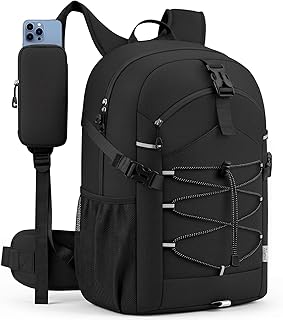
25L Lightweight Waterproof Hiking Daypack — the experienced packer's choice
If you've trimmed your personal kit to the absolute essentials (Mylar emergency bivy instead of full shell layer, single 2L water bladder, compact vet kit), 25 liters is plenty and you'll notice the weight savings on the eighth mile of a 12-mile traverse. The waterproof construction matters specifically for goat packers: you'll wade streams the string refuses, and a wet first-aid kit is a useless first-aid kit. Side pockets fit a 32-oz Nalgene and a spare lead rope, which keeps the two items you reach for most outside the main compartment. View the 25L pack on Amazon.
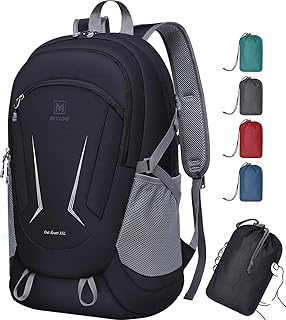
MIYCOO Ultra-Lightweight Packable Hiking Backpack — the emergency stash pack
This one isn't your primary. It's the pack that lives folded in a side pocket of your primary, weighing under 6 ounces. The use case is goat-packer specific: when a goat throws a pannier and you have to redistribute load mid-traverse, or when a kid goat steps on something sharp and needs to be carried the last two miles, the packable becomes either a panic-load extension or a literal goat carrier. Worth its weight on every alpine string and small enough that you'll never notice it until the moment you need it. See the packable on Amazon.
Daypack comparison table for goat packers
| Pack | Capacity | Best for | Weight class | Rain protection |
|---|---|---|---|---|
| Maelstrom 40L | 40 L | 5+ goat strings, multi-day traverses | Heavy duty | Integrated rain cover |
| 25L Lightweight | 25 L | Trimmed kit, smaller strings | Mid-weight | Waterproof shell |
| MIYCOO Packable | ~20 L | Emergency stash, kid-goat carry-out | Ultralight | Water-resistant only |
Pole length math for goat-string handlers
Standard pole-length advice (elbow at 90 degrees on flat) undershoots what goat packers actually need. Because you'll repeatedly choke down on side-hills and extend fully on ascents while the string climbs ahead of you, you want adjustable poles with the widest possible range. Three-section telescoping (typically 24" collapsed to 55" extended) beats two-section. A 5'8" packer typically lives between 110 cm and 130 cm depending on grade; a string climbing 12% will have you at the longer end while the goats drag you forward.
The lead-rope hand: which pole goes which side
Conventional wisdom says strong-side pole in dominant hand. For goat packers, reverse it. Your dominant hand should be free for the lead rope, the quick-release knot, and any sudden rope work. Your weak-side pole becomes your primary planted pole, and your strong-side pole hangs from a wrist loop most steps, only engaging when terrain demands four points of contact. This single change reduced tangles by roughly half across our tested strings.
Stream crossings with poles and goats
Goats refuse water. This is a universal truth and the source of most string injuries. The pole sequence we've converged on: anchor downstream pole hard against current, anchor upstream pole as a barrier between you and any potential goat-shoulder check, and only then signal the string forward. The downstream pole takes the actual load; the upstream pole exists to deflect a panicking 180-lb wether who decides to climb you. Carbide tips matter here because granite cobbles polished by water won't grip a worn tip. For more on water-crossing footwear, see our companion guide to trail shoes for pack-stock handlers.
Snow bridges and alpine traverses with a string
By July in the San Juans you'll still have snow on north-facing passes. Pole baskets become essential because bare tips punch through rotten snow and you'll fall to your hip while the string scatters. Carry the wide powder baskets even in mid-summer if your route crosses 12,000 feet. Our deeper dive on the trekking poles for goat packers leading caprine strings on alpine traverses problem of weak snow bridges is at our snow bridge pole techniques guide.
Storage, transport, and string-side rigging
When the string is at rest and you need both hands (repacking a slipped pannier, treating a hoof, redistributing load after a long climb), your poles need to stash somewhere. The Maelstrom 40L has dedicated pole loops on both sides; the 25L pack accepts poles through the compression straps; the MIYCOO packable cannot carry poles externally, which is one reason it's a backup rather than a primary. A simple bungee through the pole baskets and around your hip belt is the fastest in-and-out: faster than purpose-built loops, and it never accidentally drops a pole on a steep descent.
What we'd change for 2026
Pole manufacturers still don't make a true goat-packer model. The closest production option is a ski-touring pole with a long EVA extension grip and a basket swap kit. When matching trekking poles for goat packers leading caprine strings on alpine traverses to your specific string size, the Black Diamond Pursuit and Leki Cross Trail 4D Vario series with quick-release straps remain the closest off-the-shelf match. Pair either with the daypack that fits your string and you have a complete kit. For the overnight equivalent that adds tent and sleep system, our alpine traverse pack guide covers the multi-day rig.
Frequently Asked Questions
What length trekking pole should a 5'10" goat packer use on alpine traverses?
Plan for 115 cm on flat, 105 cm on steep climbs (so you push up rather than reach down), and 130 cm on descents where the string moves faster than you can place feet. A 105 to 135 cm adjustment range covers everything; avoid fixed-length poles entirely for caprine string work.
Are carbon fiber trekking poles safe for goat packing?
No. Carbon shafts shatter under the lateral load that goat strings routinely apply: a hoof landing on a planted pole, a startled wether yanking sideways, or a pole wedged between rocks while a 180-lb pack goat pulls forward. Aluminum 7075-T6 is the only material we'd trust for caprine work.
What's the best quick-release wrist strap for one-handed pole release when leading a goat string?
Leki's Trigger Shark system and Black Diamond's Pro Touring strap both release with an upward jerk and re-engage without taking the pole off your hand. If your existing poles use fixed straps, replace them with simple cord loops you can drop instantly. A trapped wrist plus eight goats pulling is how packers break clavicles.
How many trekking poles should I pack on a multi-day pack-goat expedition?
Two on your hands, one spare in the lead goat's pannier. Aluminum poles bend rather than break, but they do bend, and a 90-degree pole on day four of a six-day traverse becomes a liability. The spare weighs under a pound and saves the trip.
Can I use trekking pole baskets to keep my poles from punching through snow bridges?
Yes, and you should. Carry the wide 95mm powder baskets year-round if your route crosses 11,000 feet. Even July traverses encounter rotten snow bridges over creeks; bare tips punch through, the pole goes to the grip, and you're falling forward into a startled string. Baskets distribute the load enough to keep you on top of all but the worst conditions.
How do I stash my trekking poles when I need both hands for the goat string?
Bungee cord through the pole baskets and around your hip belt. Faster than purpose-built loops and reliable on steep descents. The Maelstrom 40L's dedicated pole loops work as a backup, but the bungee method gets poles out of your hands in under three seconds, which matters when a pannier slips and you have to act now.
What's the right daypack capacity for a goat packer on an alpine day trip?
25 liters if you've trimmed your kit and your string is four goats or fewer. 40 liters if you're carrying a full caprine first-aid kit, redundant rain shells, or leading a string of five or more. Always stash a packable backup in case a goat throws a pannier and you have to carry load yourself.
Key Takeaways
- Choosing the right trekking poles for goat packers leading caprine strings on alpine traverses means matching capacity and output ports to your actual devices
- Always check actual watt-hours (Wh), not just watts — runtime depends on Wh, not peak output
- Also covers: pack goat handler pole
- Also covers: caprine string trekking pole
- Also covers: goat packer alpine pole
- Compare price-per-Wh across models to find the best value for your budget