For landscape photographers who shoot from the trail, trekking poles that double as camera monopods solve two problems with one piece of gear: stability for long exposures and load-bearing support on steep descents. In 2026 the best hybrids feature a 1/4"-20 threaded stud hidden under a twist-off grip cap, aluminum or carbon shafts that lock confidently at 1.4 m or taller for eye-level framing, and rubber tip cups that won't slip on wet granite. This guide breaks down what to look for, how to evaluate stiffness against weight, and the companion daypacks that keep a mirrorless body within reach the moment the pole becomes a tripod leg.
Why a convertible pole beats carrying a dedicated monopod
A standalone carbon monopod weighs 350-550 g and rides outside your pack, where it snags on branches and adds nothing to your gait. A convertible trekking pole pulls double duty: it absorbs 25-30% of the impact on your knees during descent, it stabilizes you on talus, and when you spot a composition it becomes a rigid platform you can plant in seconds. For ultralight landscape shooters who already carry a tripod for blue-hour work, a hybrid pole is the right tool for mid-day handheld grabs at 1/15s or slower, panoramic stitching, and low-light telephoto framing where even a 70-200 mm at 1/60s benefits from a third point of contact.
The compromise is small. A purpose-built monopod is marginally stiffer, but a quality aluminum trekking pole shaft is more than adequate for any mirrorless body up to roughly 2.5 kg with a midweight zoom. Carbon variants knock 80-120 g off the pair and damp vibration faster, which matters if you shoot video and want to pan smoothly with the pole planted.
What to look for in trekking poles that double as camera monopods
Four specs separate a usable hybrid from a marketing gimmick:
- Hidden 1/4"-20 stud. The standard photo thread sits beneath a twist-off grip cap. Anything else — adapter dongles, hot-shoe clamps, magnet mounts — fails under load and wobbles in wind.
- Lock mechanism. External lever (FlickLock-style) cams hold heavier camera payloads more reliably than internal twist locks, which can creep under torque when you tighten a ball head.
- Maximum extended height. Look for 135-140 cm minimum. Add the height of your ball head and camera (typically 10-15 cm) and you want the viewfinder to land at your eye level so you aren't stooping for every frame.
- Shaft material and diameter. 7075-series aluminum at 16 mm upper / 14 mm lower is the sweet spot for stiffness per gram. Carbon at the same diameters is lighter but more brittle if the pole takes a sideways fall onto rock.
Secondary features worth paying for: cork grips (they don't get slick when wet or after sunscreen), interchangeable carbide and rubber tips, and replaceable basket sets if you shoot in snow or sand. Skip antishock springs — they introduce play that defeats the point of using the pole as a camera platform.
How tall should your pole extend for landscape work?
The geometry math is simple. Stand upright, hold an imaginary camera at your eye. Measure floor-to-camera-base. Subtract the height of your tripod head (a small Arca ball is ~7 cm; an L-bracket plate adds another 1-2 cm). The remainder is the minimum pole extension you need. For a 178 cm photographer that lands around 148 cm of pole, which means you want a hybrid that extends to at least 140 cm without flexing the bottom segment beyond its safe range. Poles that top out at 130 cm force you into a permanent slight crouch, which is the fastest way to ruin a back on day three of a backpacking trip.
Companion daypacks that keep your camera accessible
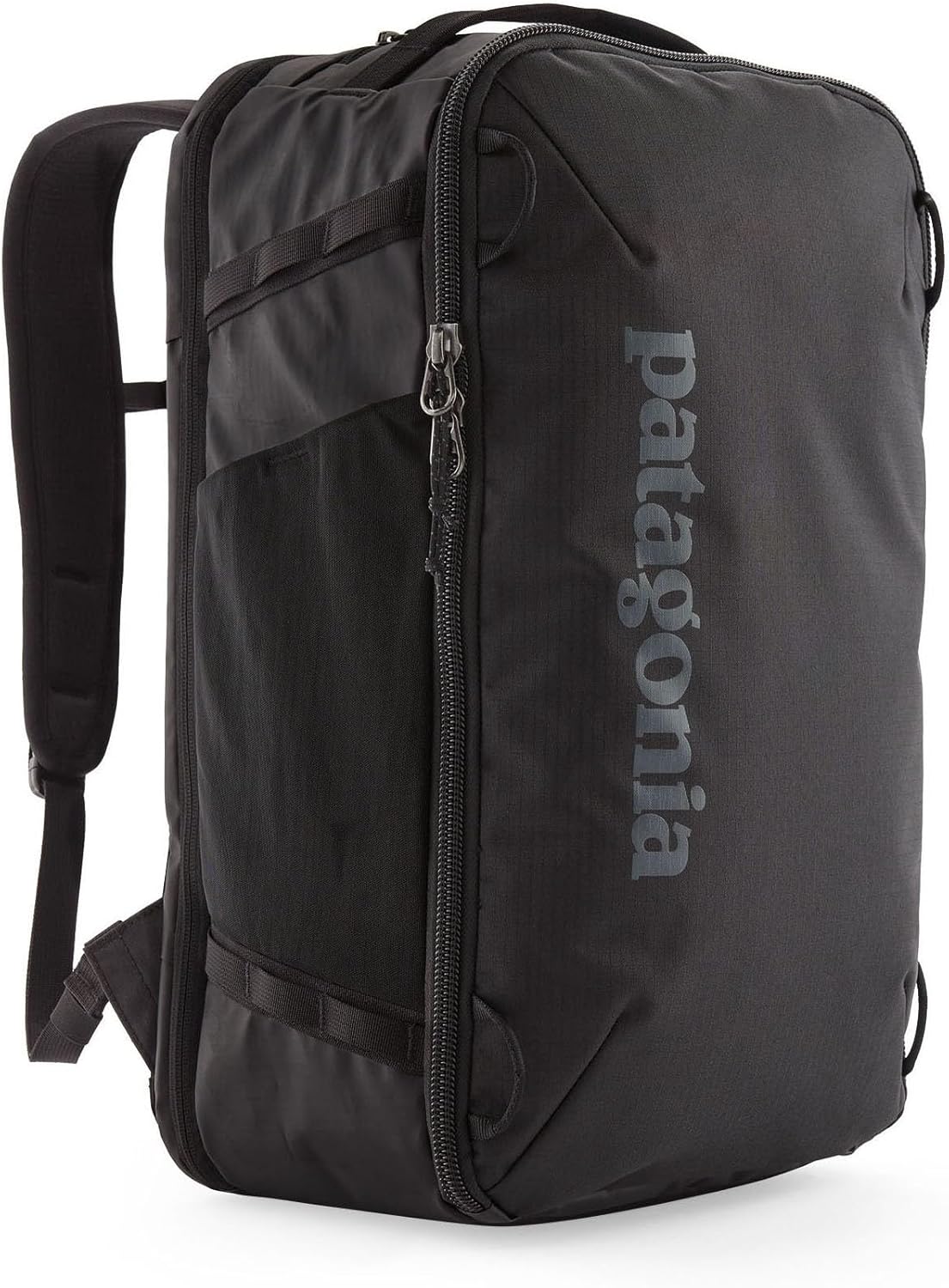
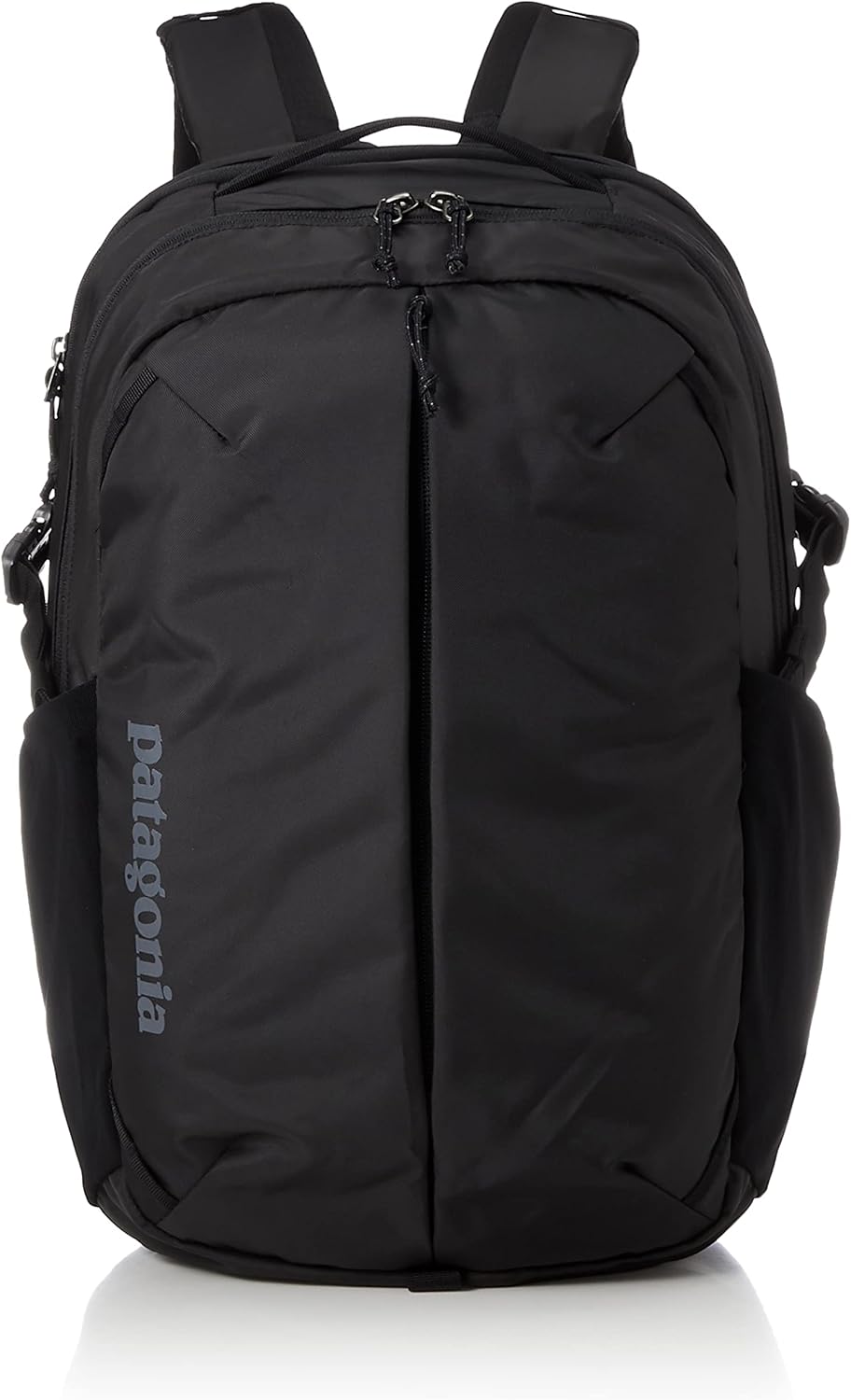
A convertible pole is only useful if your body is reachable in under ten seconds — long enough that a compact, well-organized daypack matters more than most photographers realize. The three packs below pair well with hybrid poles because they keep weight low, water out, and a front pocket free for a lens cloth, an L-plate, or a remote shutter. We picked these specifically for landscape day hikes with mirrorless kits up to about 4 kg total camera weight.
| Pack | Capacity | Weatherproofing | Best for |
|---|---|---|---|
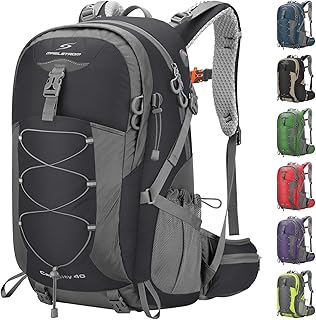
| Maelstrom 40L Waterproof Daypack | 40 L | Roll-top + included rain cover | Full-day shoots with extra layers, drone, lunch |
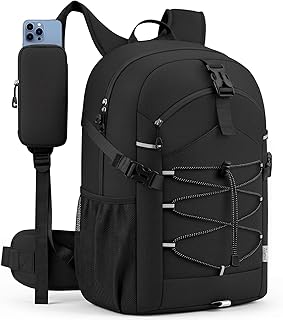
| 25L Lightweight Waterproof Daypack | 25 L | DWR shell, taped seams | Half-day photo hikes, one body + two lenses |
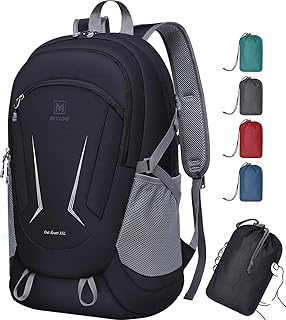
| MIYCOO Ultra-Lightweight Packable | ~20 L | Water-resistant nylon | Stuff-sack backup pack when the main bag stays at camp |
Maelstrom 40L Waterproof Hiking Daypack with Rain Cover
The 40-liter Maelstrom is the right call when you're hauling a camera kit alongside a full day's hiking gear. The roll-top closure keeps spray and squall rain out of the main body, the included rain cover wraps the exterior pockets for sustained downpours, and the dual side pockets hold a hybrid trekking pole vertically when you swap to handheld shooting. Internal compression keeps a padded camera insert from shifting during long descents. At this volume you can fit a mirrorless body with two zooms, a travel ball head, extra batteries, a soft shell, lunch, and 2 L of water without overstuffing. Check the Maelstrom 40L on Amazon.
25L Lightweight Waterproof Hiking Daypack
For half-day shoots near the trailhead the 25-liter pack is the goldilocks size. It holds one body, two lenses in a foam wrap, a packable shell, snacks, and 1.5 L of water with room to spare. The lightweight shell shrugs off light rain and morning dew on alpine grass without needing a separate cover. Side compression straps double as pole carriers so you can stash your hybrid trekking pole when scrambling sections need both hands. The lower weight (under 600 g empty) means more of your carry budget goes to camera gear. See the 25L waterproof daypack on Amazon.
MIYCOO Ultra-Lightweight Packable Hiking Backpack
The MIYCOO is the backup pack you keep folded in your main bag for spontaneous side trips from camp. It crushes down to the size of a fist, weighs almost nothing, and unfurls into a useable 20-liter shape when you want to ditch your full kit and walk a ridge with just a camera body, a single prime, and a windbreaker. It's not a primary photo pack, but for sunset side missions where every gram counts and your hybrid pole rides in hand the whole way, it's exactly the right tool. View the MIYCOO packable daypack on Amazon.
Field technique: converting pole to monopod in under fifteen seconds
The workflow that becomes muscle memory by day two: unclip the wrist strap, twist the grip cap counterclockwise until the 1/4"-20 stud is exposed, thread your ball head clockwise until it bottoms out (do not over-torque — half a turn past hand-tight is enough), drop the bottom segment lock to your target height, and plant the carbide tip into firm ground. For loose soil swap to the rubber tip cup; for cracks and ledges the bare carbide bites. With the camera mounted, brace the pole against the front of your thigh and lean about 10° forward — the pole, your leg, and the ground form a stable tripod geometry that holds 1/15s exposures clean at 50 mm equivalent.
For longer exposures (1/4s and slower) bring a second technique: extend a second pole and cross it behind the first to form an A-frame, then nest your camera strap over both grips for additional damping. It's not as stable as a real tripod, but for mid-day shots in shaded canyons it produces sharper frames than handholding at any ISO your sensor can clean up later.
Carbon vs aluminum for camera duty
Carbon poles win on weight (typically 180-220 g per pole vs 250-290 g for aluminum) and vibration damping, which is genuinely noticeable for video pans and telephoto stills. Aluminum poles win on durability and price. A carbon shaft that takes a sideways impact against a rock can splinter without warning; an aluminum shaft bends, which is fixable in the field with a tent pole repair sleeve. For trips longer than four days or routes with technical scrambling, aluminum is the more responsible choice for the camera-mounting pole specifically — keep your carbon set for the lighter "walking only" days.
Maintenance that protects the camera mount
The threaded stud beneath the grip cap is the single failure point that turns a $150 pole into a paperweight. Three habits keep it functional: rinse the grip area with fresh water after coastal or alpine snow trips and dry it before storage so salt and grit don't reach the threads, apply a drop of light machine oil to the stud every 20 hiking days to prevent galling when the ball head threads on, and never store the pole with the ball head attached — temperature swings can seize the joint over a winter. Inspect the bottom segment for hairline cracks every few outings; the segment that holds your camera load is the same one that takes ground impact, and stress concentrates near the lock cam.
For more on integrating photography gear with hiking systems, see our roundups on the best hiking daypacks for photographers, ultralight tripods for backpacking, and trail shoes that handle long photography hikes.
Frequently Asked Questions
Can trekking poles really replace a dedicated monopod for landscape photography?
For mirrorless and DSLR bodies up to about 2.5 kg with a midweight zoom, yes — a quality convertible pole is stable enough for 1/15s shutter speeds and slow panning video. For supertelephoto setups above 3 kg, or astrophotography requiring tack-sharp 30-second exposures, a dedicated monopod or tripod still wins. The hybrid is a backcountry compromise that eliminates one item from your pack without giving up most real-world shots.
What thread size do trekking poles that double as camera monopods use?
The universal standard is 1/4"-20 UNC, the same thread on the bottom of nearly every camera body and every ball head plate. A small number of higher-end poles include a 3/8"-16 adapter for video heads. Avoid any pole that uses a proprietary mount — it locks you into one accessory ecosystem.
How tall do hybrid trekking poles extend for landscape work?
Most reach 135-140 cm at full extension. Add 8-15 cm for a ball head and camera body, which puts the viewfinder at eye level for an average-height adult. Tall photographers (190 cm+) should look specifically for 145 cm-capable poles or accept a slight crouch.
Are carbon fiber trekking poles too fragile to use as camera supports?
Carbon poles handle vertical compression loads (your weight, your camera) extremely well — that's their design axis. They fail under lateral impact: a sideways fall onto a rock can splinter the shaft without warning. If you shoot in technical terrain, choose aluminum specifically for the pole that mounts your camera and keep carbon for the off-camera walking pole.
Do I need a special ball head for a trekking pole monopod?
No. Any compact ball head with a 1/4"-20 base socket threads directly onto the pole's stud. Travel-sized heads in the 200-300 g range are ideal — anything heavier makes the pole top-heavy when you collapse it for walking. Look for a head with an Arca-Swiss quick release so you can hot-swap between handheld and pole-mounted shooting in seconds.
Can I use one pole as a monopod while still hiking with the other?
Yes, and this is the most practical workflow. The dominant-hand pole stays in walking duty; the support-hand pole gets the camera mount. When a composition appears, you plant the camera pole, set up the shot, and continue with the walking pole still in hand. Practiced photographers can deploy and pack in under twenty seconds without breaking pace.
What's the best way to carry trekking poles on a daypack when shooting handheld?
The cleanest method is dual side compression with the tips up and grips down — tips slide into the pack's side pocket and the compression strap cinches across the shaft mid-pole. Grip-down orientation keeps the carbide points away from your face when you reach over your shoulder and protects the camera mount thread from snagging on brush. Daypacks with dedicated side pole loops (like the Maelstrom 40L) make this even faster.
How much should I expect to pay for a quality trekking pole that doubles as a monopod in 2026?
Entry-level aluminum hybrids start around $60-80 per pair and work fine for occasional photo use. Mid-range carbon hybrids with FlickLock-style external cams and cork grips run $130-180 per pair and are the sweet spot for serious landscape photographers. Premium models with full carbon shafts, replaceable tip systems, and integrated quick-release plates can reach $250+ per pair, which is worth it only if you log more than 50 hiking days a year.
Key Takeaways
- Choosing the right trekking poles that double as camera monopods means matching capacity and output ports to your actual devices
- Always check actual watt-hours (Wh), not just watts — runtime depends on Wh, not peak output
- Also covers: pole with 1/4-20 camera mount
- Also covers: leki monopod trekking pole
- Also covers: trekking pole monopod conversion
- Compare price-per-Wh across models to find the best value for your budget