For deep-powder days and packed-trail traverses, the best trekking poles snowshoeing large baskets winter setups share four traits: a stiff aluminum shaft, oversized 100mm snow baskets, an extended foam grip that lets you choke down on side-hill traverses, and a flick-lock mechanism that survives sub-zero temperatures without freezing shut. In 2026, the strongest options come from Black Diamond, Leki, Komperdell, MSR, and Cascade Mountain Tech, each pairing aircraft-grade aluminum with cold-rated locks and removable powder baskets. This guide walks the spec sheet you actually need, the trade-offs nobody tells you about, and the supporting gear that turns a good pole into a reliable winter system.
Why standard trekking poles fail on snowshoes
Three-season trekking poles use 50mm trail baskets that punch straight through fresh powder. On a 30-degree sidehill traverse with snowshoes, every pole plant becomes a fight: the shaft sinks to the grip, you have to muscle it back out, and your shoulder pays for it ten miles in. The fix is a 90-110mm vented snow basket that rides on top of the snow, giving you a real anchor for balance and propulsion.
The grip matters just as much. A rubber summer grip pulls heat out of your gloves; once your hands chill, your balance gets sloppy, you make worse plant decisions, and the loop tightens. EVA foam grips, especially with an extended foam choke section below the main grip, insulate your palms and let you slide your hand down for steep climbs without unclipping the strap.
The 2026 spec sheet for winter snowshoeing poles
Shaft material and stiffness
Aluminum 7075-T6 or 6061-T6 alloy is the consensus pick for snowshoeing. It bends rather than shatters under a fall, and a 16-18mm upper shaft tapering to 14mm gives you the lateral stiffness you need when a tip catches in crust. Carbon poles are 100-150 grams lighter per pair, but a single twist against an unseen rock or a hard fall on packed snow can snap them. Save carbon for fast-and-light spring tours; aluminum is the winter workhorse.
Lock mechanism
External flick locks (Black Diamond FlickLock Pro, Leki SpeedLock 2) are cold-rated to -40°F and easy to operate with bulky gloves. Twist locks freeze, slip, and slowly collapse under your bodyweight when wet, so skip them for winter even if the price tag is tempting. Z-fold poles with push-button locks like the Black Diamond Distance Carbon Z or MSR DynaLock Ascent work well for ski-mountaineering hybrid use where pack-stow size matters more than absolute stiffness.
Basket size and attachment
90mm is the minimum for groomed or packed snowshoe trails. 100-110mm vented powder baskets are the right call for fresh snow, breakable crust, or off-trail bushwhacking. Always confirm the basket threads onto the shaft rather than snapping on; snap-on baskets are reliable in summer but pop off in deep snow and are nearly impossible to recover once buried.
Grip and strap
Look for a full EVA foam main grip plus a 15-20cm extended foam section running down the upper shaft. The choke section lets you reposition your hand on traverses without releasing the strap. Wrist straps should be wide webbing with a soft fleece liner; narrow nylon straps cut into bulky winter glove cuffs and slow down length adjustments at transitions.
Length and range
Two-section telescoping poles (typically 110-140cm) are simplest and stiffest. Three-section poles pack shorter for travel but add a second joint that can ice up. Z-fold poles are smallest but trade some torsional stiffness; choose them only if you regularly stow poles inside your pack.
Tip
Tungsten carbide tips bite ice, hardpack, and the occasional buried rock. They should be user-replaceable, screwing into the lower shaft, not chemically bonded. Plan to replace tips every two to three winters of heavy use.
Sizing your poles for snowshoeing
Standard sizing (elbow at 90 degrees with the tip on flat ground) works for groomed Nordic trails, but most snowshoers find that running poles 4-6cm shorter than summer length improves uphill efficiency and reduces shoulder fatigue on descents. If you primarily traverse, set the downhill pole 3-4cm longer than the uphill pole; adjustable flick-locks make this a five-second mid-traverse tweak.
For deep powder where the basket floats high above the actual snow surface, add 3-4cm back to compensate. Match length to terrain, not to a static measurement, and you will feel the difference in your shoulders by mile five.
Supporting gear: the right pack matters
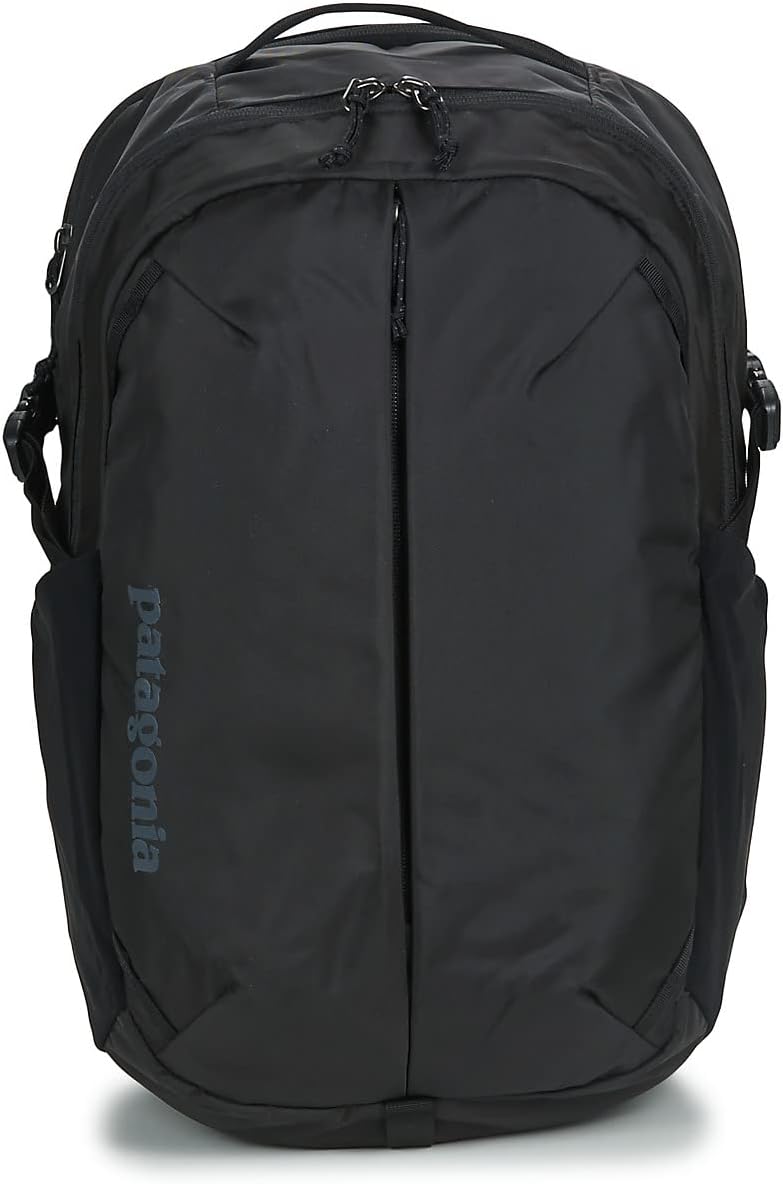
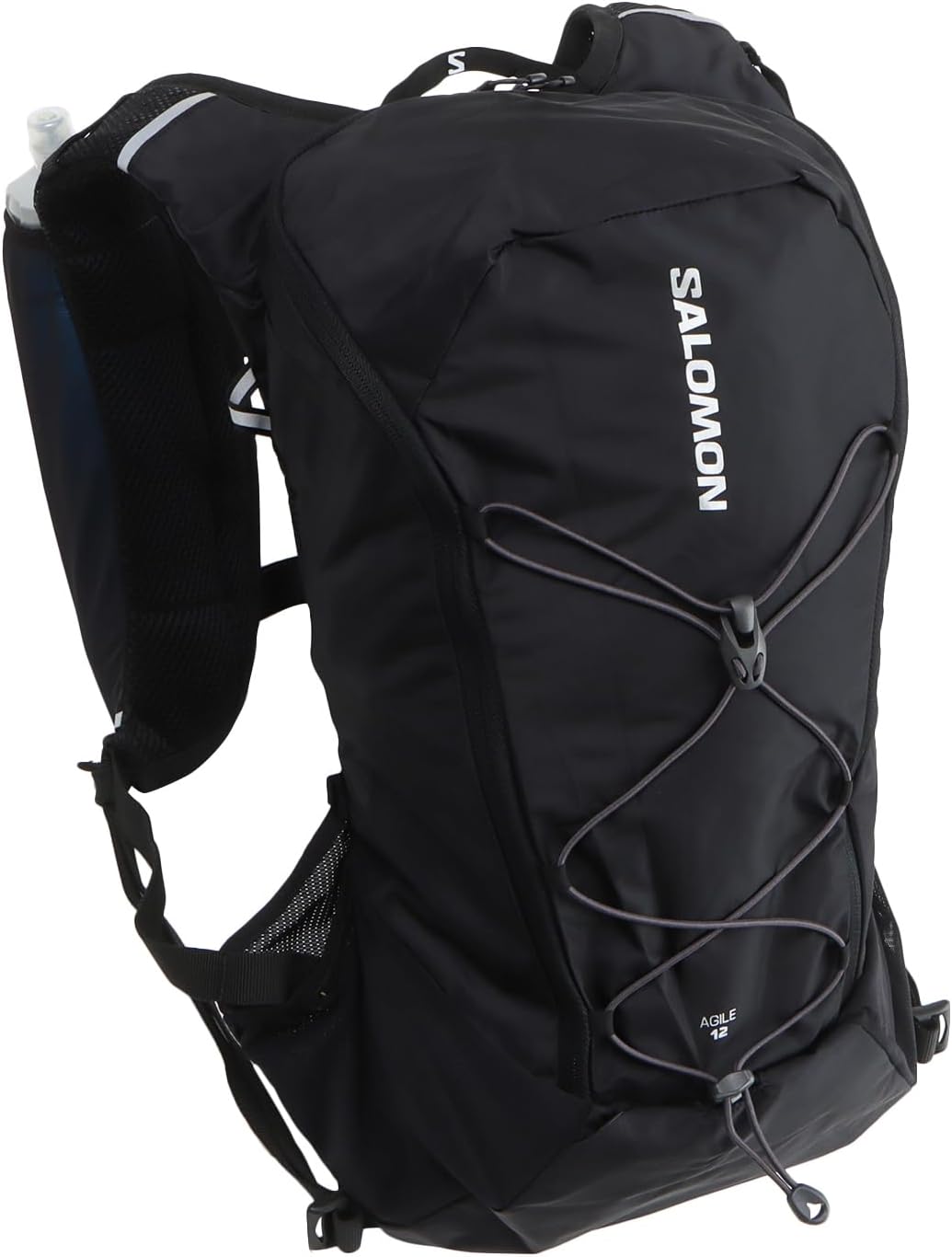
Trekking poles solve half the snowshoeing problem. Your pack has to carry shovel, probe, dry layers, hydration, and high-calorie food without freezing solid or shifting at every step, and it needs external attachments that hold poles securely while you bootpack short sections. Below are three packs we tested with winter pole setups, with notes on how each handles trekking poles snowshoeing large baskets winter loadouts.
| Pack | Volume | Best For | Pole Carry | Waterproof |
|---|---|---|---|---|
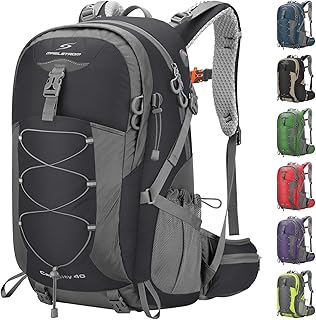
| Maelstrom 40L | 40L | Full-day & hut tours | Side compression + ice axe loop | Yes, with rain cover |
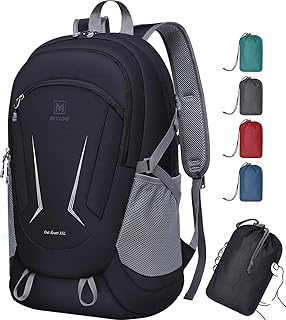
| 25L Lightweight Daypack | 25L | Half-day outings | Dual side straps | Yes, integrated |
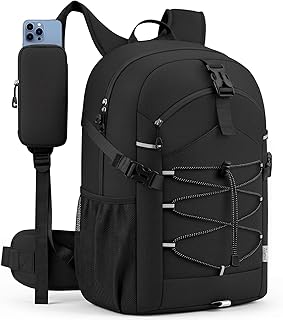
| MIYCOO Packable | 20L | Stash/summit pack | Single side strap | Water-resistant |
Maelstrom 40L Waterproof Hiking Daypack with Rain Cover
For full-day snowshoe tours or hut-to-hut traverses, the Maelstrom 40L has the volume to swallow avalanche gear, a puffy, spare gloves, a thermos, and lunch without overstuffing the main compartment. The included rain cover doubles as a wet-snow shell during the warm midday window when trees start dropping clumps. Dual side compression straps secure trekking poles or an ice axe diagonally, keeping the tips clear of your snowshoe deck. The padded hip belt sits comfortably over a winter shell, and the back panel resists icing thanks to a coated 600D fabric. Check current price on Amazon.
25L Lightweight Waterproof Hiking Daypack
Half-day snowshoe outings under five hours rarely justify a 40L pack. The 25L Lightweight Waterproof Hiking Daypack covers exactly this use case: enough volume for a 1L thermos, an emergency layer, snacks, headlamp, and a small first-aid kit, with dual side compression that locks poles in place when you transition to a steep bootpack. The fully waterproof shell shrugs off blown snow and the brief warm rain that occasionally hits mid-winter outings in maritime ranges. Check current price on Amazon.
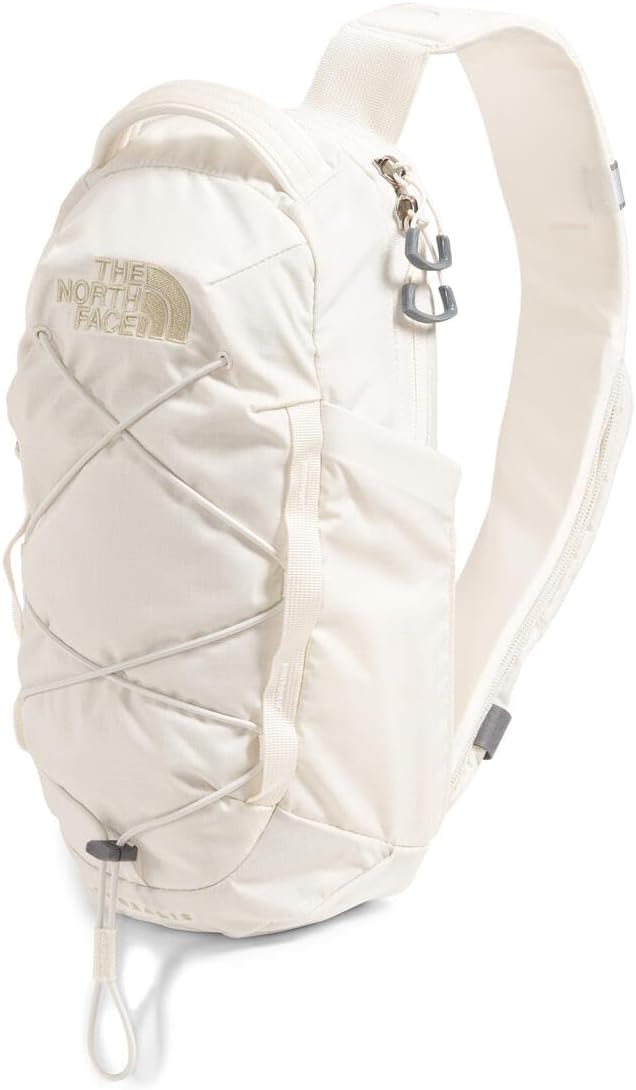
MIYCOO Ultra-Lightweight Packable Hiking Backpack
When you are already wearing a hydration vest, an avalanche airbag pack, or a touring pack and just need a stash bag for the parking-lot-to-trailhead walk, or a summit pack to carry from a high camp, the MIYCOO Packable folds into its own pocket and weighs almost nothing. It is not the pack you would take for a full snowshoe day, but it earns a place in any winter system as a backup or a fast-and-light option for short, well-traveled routes. A single side strap holds a folded Z-pole securely. Check current price on Amazon.
Common winter pole mistakes
Leaving the summer baskets on. The single most common error. Swap to powder baskets before the first outing, and carry a spare set in your repair kit; lost baskets in deep snow are unrecoverable.
Skipping the wrist strap. In winter, the strap is structural: it lets you transfer your bodyweight to the pole on uphill plants without crushing the grip. Use it.
Carbon shafts in tight forest. A carbon shaft levered against an unseen branch shatters. Aluminum bends and keeps going. For Pacific Northwest or Northeast forest snowshoeing, choose aluminum every time.
Twist locks below freezing. Twist locks rely on a rubber expander pressing against the shaft wall. Cold rubber shrinks, the expander slips, and your pole telescopes mid-stride. Flick locks only for winter use.
Not lubricating the lock mechanism. Wet steel hinges freeze shut. A drop of dry silicone or ski wax every five to ten outings keeps the lever moving smoothly.
Cold-temperature maintenance
Wipe shafts dry before storing; water trapped between telescoping sections freezes and locks the pole at whatever length it is set. Disassemble FlickLock-style external locks every 10-15 outings, clean the cam surface, and apply a thin layer of dry silicone. Inspect basket threads each outing; cross-threaded baskets back off in deep snow without warning. Replace carbide tips when the bite point flattens to a dull cone. Build your trekking poles snowshoeing large baskets winter system around aluminum, FlickLocks, 100mm baskets, and EVA foam, and you will get a kit that handles everything from groomed Nordic loops to off-trail powder days for five seasons or more.
Related guides
For the full winter setup, pair your poles with the right flotation in our best snowshoes for deep powder roundup, dial in hand warmth with our winter hiking gloves guide sized for pole work, and compare full pack options in our waterproof hiking daypacks review. Three-season hikers transitioning into winter use can also see our lightweight trekking poles comparison for context on summer-versus-winter trade-offs.
Frequently Asked Questions
What size baskets do I need for trekking poles when snowshoeing in deep powder?
For fresh, unconsolidated snow over 20cm deep, run 100-110mm vented powder baskets. For packed snowshoe trails or spring corn, 90mm baskets are enough and reduce drag. Always carry a spare set in your repair kit; lost baskets are unrecoverable in deep snow, and an unbaskets pole is nearly useless on a sidehill.
Are carbon fiber trekking poles okay for winter snowshoeing use?
Carbon poles save 100-150 grams per pair, but they fail catastrophically under lateral torque or a hard fall on packed snow. For mixed terrain, tight forest, or off-trail snowshoeing, aluminum 7075-T6 is the smart choice. Reserve carbon for fast, predictable spring tours where weight savings actually translate to speed and the fall risk is low.
Should I get fixed-length or adjustable trekking poles for snowshoeing?
Adjustable poles win for snowshoeing. You will want to shorten 4-6cm for uphill efficiency, lengthen for downhill stability, and run asymmetric lengths on long traverses. A two-section telescoping pole with external FlickLocks gives you all of that with minimal weight penalty over a fixed-length pole.
How do I keep my hands warm while gripping trekking poles in winter?
Three layers solve it: EVA foam grips (never rubber) that do not conduct heat away, a wide webbing wrist strap that fits over bulky glove cuffs, and a glove system with a windproof shell and a thin liner you can keep on during quick basket swaps or food breaks. Pogie-style pole mitts that wrap the grip itself work for extreme cold below -10°F.
Can I use ski poles for snowshoeing instead of trekking poles?
Yes, fixed-length downhill ski poles work for groomed snowshoe trails if the length matches your size. But you lose the adjustability for traverses, the EVA foam choke section for sidehilling, and the carbide tip needed for icy hardpack. Dedicated winter trekking poles outperform repurposed ski poles for true snowshoeing use over varied terrain.
How short should I cut my poles for steep snowshoe climbs?
For sustained climbs steeper than 25 degrees, shorten poles 6-10cm below your summer length. This keeps your elbow under 90 degrees on the plant, transfers more weight forward, and protects your shoulders. On traverses, set the uphill pole shorter and the downhill pole longer by 3-4cm to keep your hips square to the fall line.
Do I need wrist straps on snowshoeing poles, or are they a safety risk?
You need them. In winter, the strap transfers your weight to the pole on uphill plants and prevents drops in deep snow where a fumbled pole disappears for good. The safety concern (getting trapped if a strap snags during a fall) mostly applies to avalanche terrain, where you should release straps before suspect slopes. For routine snowshoeing, keep them on and cinched.
Key Takeaways
- Choosing the right trekking poles snowshoeing large baskets winter means matching capacity and output ports to your actual devices
- Always check actual watt-hours (Wh), not just watts — runtime depends on Wh, not peak output
- Also covers: snowshoeing poles cold weather grip
- Also covers: winter trekking poles powder basket
- Also covers: poles for snowshoe deep snow
- Compare price-per-Wh across models to find the best value for your budget