If you've shed pounds and your once-perfect Osprey pack now sags off your hips, you need to resize Osprey AntiGravity suspension weight loss adjustments correctly to restore load transfer and comfort. The good news: most AntiGravity (AG) models — Atmos AG, Aura AG, Aether AG, Ariel AG — include adjustable torso length and Fit-on-the-Fly hipbelt sizing you can recalibrate yourself in under 15 minutes. This 2026 guide walks you through measuring your new torso length, sliding the harness ladder, sizing the hipbelt fins, re-tensioning the AG mesh, and deciding when the frame can no longer be tuned to your smaller body — plus three lightweight backup packs worth carrying while you dial in the fit.
Why your Osprey AntiGravity pack stops fitting after weight loss
The Osprey AntiGravity suspension is a tensioned mesh backpanel that wraps from your shoulders down around your lumbar and hips. It distributes load by cradling your back rather than pressing flat against it. That design only works when three measurements line up with your body:
- Torso length — distance from your C7 vertebra (the bony bump at the base of your neck) to the iliac crest line of your hips.
- Hipbelt circumference — measured around the top of your iliac crest, not your waistline.
- Shoulder harness width — fixed by the harness component installed at the factory or swapped via warranty.
Significant weight loss — anything more than 20-30 pounds — typically shrinks hipbelt circumference by 2-4 inches and can shorten torso length slightly as posture improves and you stand straighter. Both effects push you out of the original fit window. Symptoms: hipbelt straps maxed out, load riding on your shoulders, mesh gapping at the lumbar, and chafe across your trapezius. Time to resize.
Step 1: Re-measure your new torso length
Stand barefoot against a wall. Tilt your head forward and feel for the C7 vertebra — it's the most prominent bump at the base of your neck. Have a friend place a finger there. Now find your iliac crest by sliding your hands down your sides until you hit the top of your hip bones. Measure C7 to iliac crest in inches — that's your torso length.
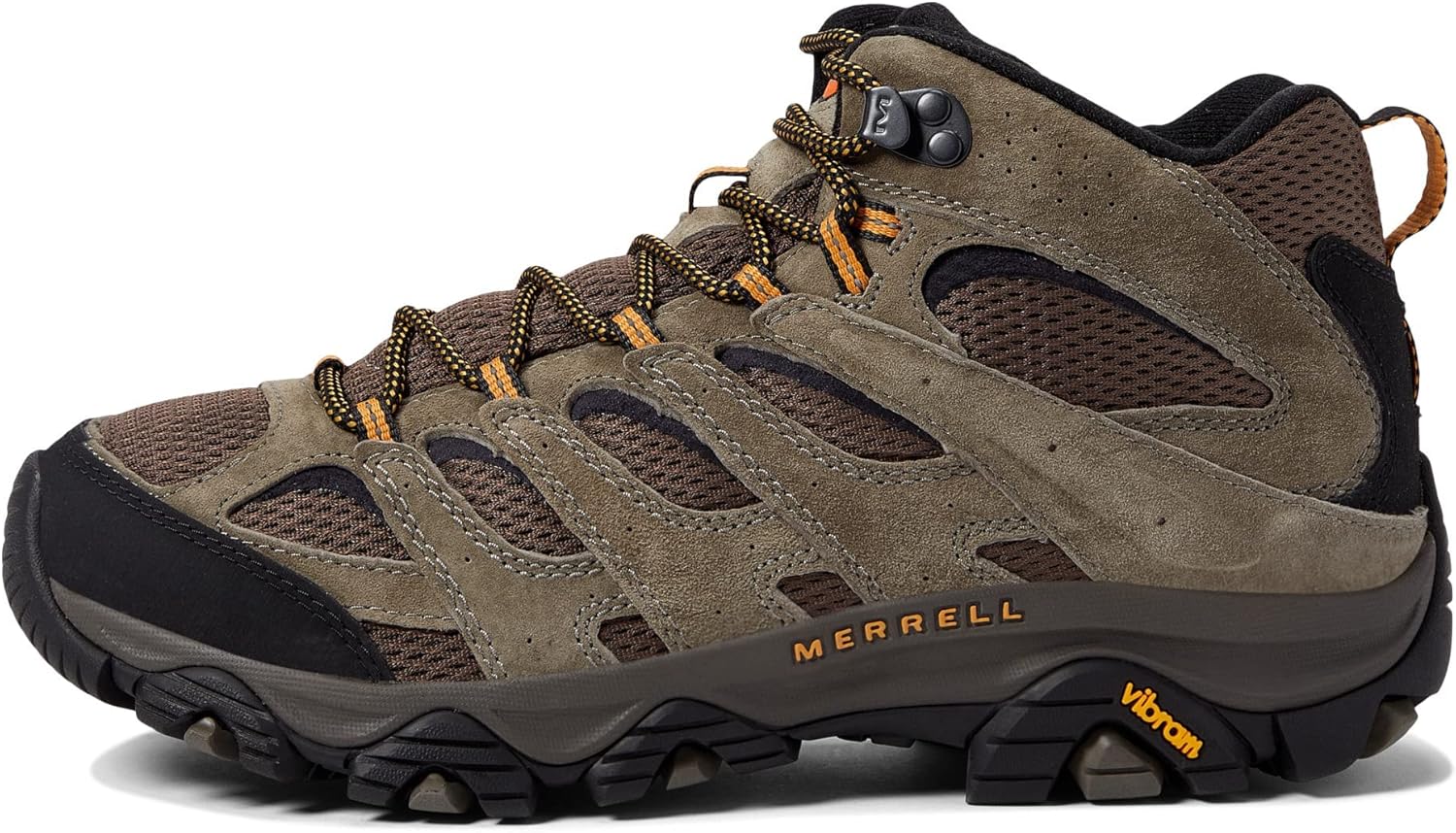
Compare to your AG model's size chart:
- S/M Atmos AG / Aura AG: 16-19 inches
- L/XL Atmos AG / Aura AG: 19-22 inches
- S/M Aether AG / Ariel AG: 17-20 inches
- L/XL Aether AG / Ariel AG: 20-23 inches
If your new torso length is still inside your pack's range, you can resize in-place. If it dropped below the chart minimum, you'll need to swap to a smaller pack body — Osprey will not fit a S/M harness onto an L/XL frame.
Step 2: Slide the torso adjustment ladder
Lay your pack face-down on a flat surface. Pull the velcro flap covering the torso adjustment ladder, located between the AG mesh and the foam backpanel. On Atmos and Aura AG packs the harness yoke separates from the ladder via a thick velcro strip — peel it slowly to avoid tearing the loop fabric. On Aether and Ariel AG you'll find a similar velcro panel under the lid.
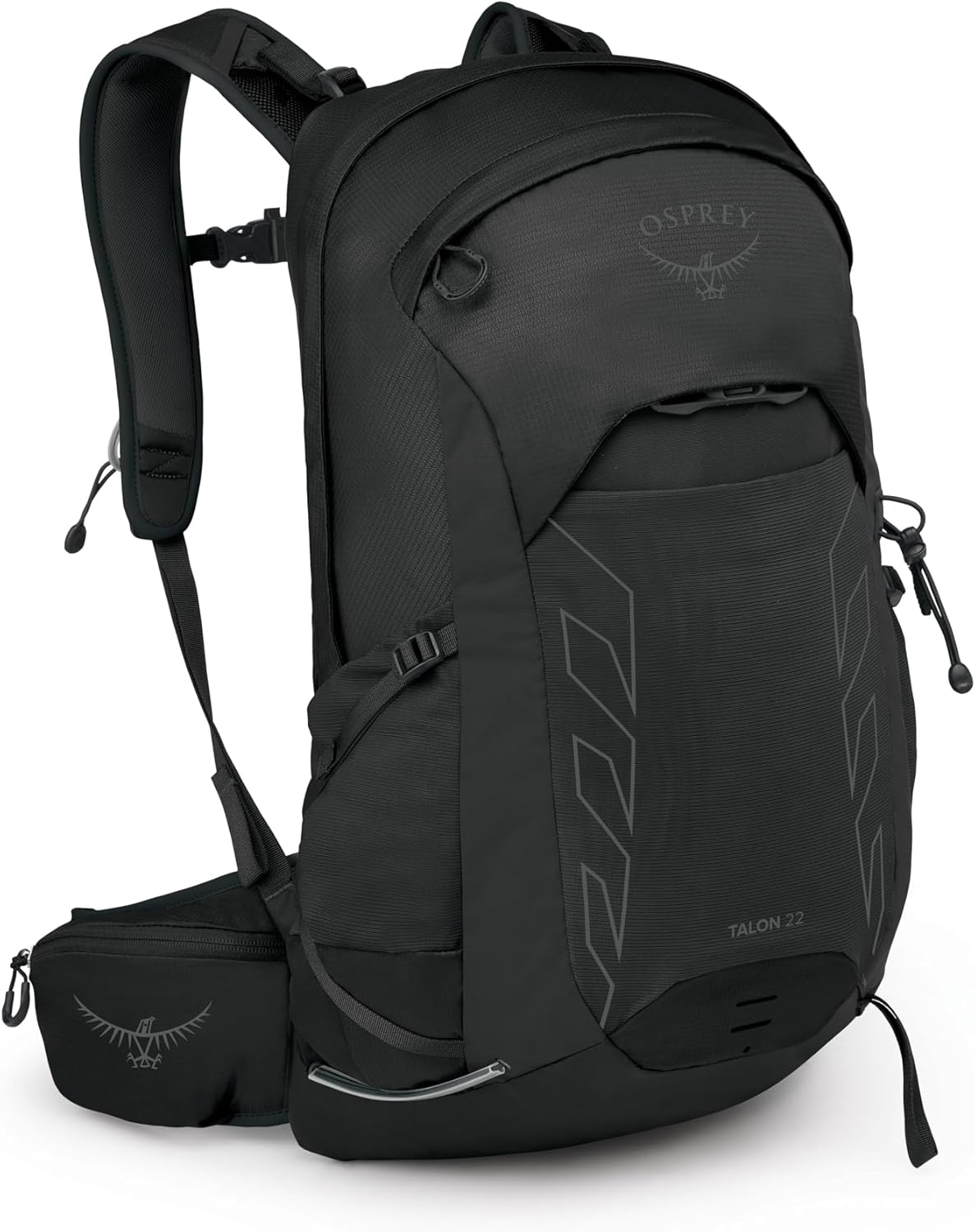
Slide the harness yoke up the ladder (toward the top of the pack) to shorten torso length by half-inch increments. Press it back into the velcro firmly, then lift the pack by the haul loop and shake — if the harness shifts, you didn't seat the velcro properly. Repeat until the bottom edge of the AG mesh sits just below your iliac crest when worn loaded.
Step 3: Resize the hipbelt with Fit-on-the-Fly
The Atmos AG and Aura AG hipbelts use Osprey's Fit-on-the-Fly system — foam fins inside the hipbelt extend outward via a velcro pull. After weight loss you'll typically need to pull them back inward. Open the hipbelt's outer fabric sleeve at the seam near the buckle, peel back the inner velcro panel, slide the foam fin inward by 1-2 inches, then re-secure. Do both sides symmetrically.
For Aether AG and Ariel AG packs with the Custom Fit-on-the-Fly hipbelt, the process is identical but you can adjust up to 5 inches per side. If you've lost enough weight that the maxed-in fin still leaves a gap, order a smaller hipbelt size from Osprey direct (typically $40-60 in 2026) and swap it via the four hex screws hidden inside the lumbar pad.
Step 4: Re-tension the AG mesh
This is the step most DIY guides miss. The AG suspension is a tensioned trampoline, not a passive panel. When you slide the harness up, the mesh loses tension because the geometry changes. Re-tension by:
- Putting on the empty pack.
- Loosening all straps fully.
- Buckling the hipbelt first, snug on the iliac crest.
- Pulling the shoulder straps down and back, not just down.
- Engaging the load lifters at 30-45 degrees above horizontal — if you can't get to that angle, the torso is still too long.
- Cinching the sternum strap last.
Now load the pack to your usual weight and walk for 10 minutes. The mesh should hug your lumbar without gapping, and you should feel 70-80% of the load on your hips.
When to give up and downsize the pack body
If you've lost more than 50 pounds, or your new torso length is more than an inch below your pack's minimum, no amount of in-place tuning will save the fit. The frame stays — only the harness moves — so an Atmos AG 65 L/XL maxed in still rides like an L/XL, and the empty volume becomes dead weight you carry up every hill.
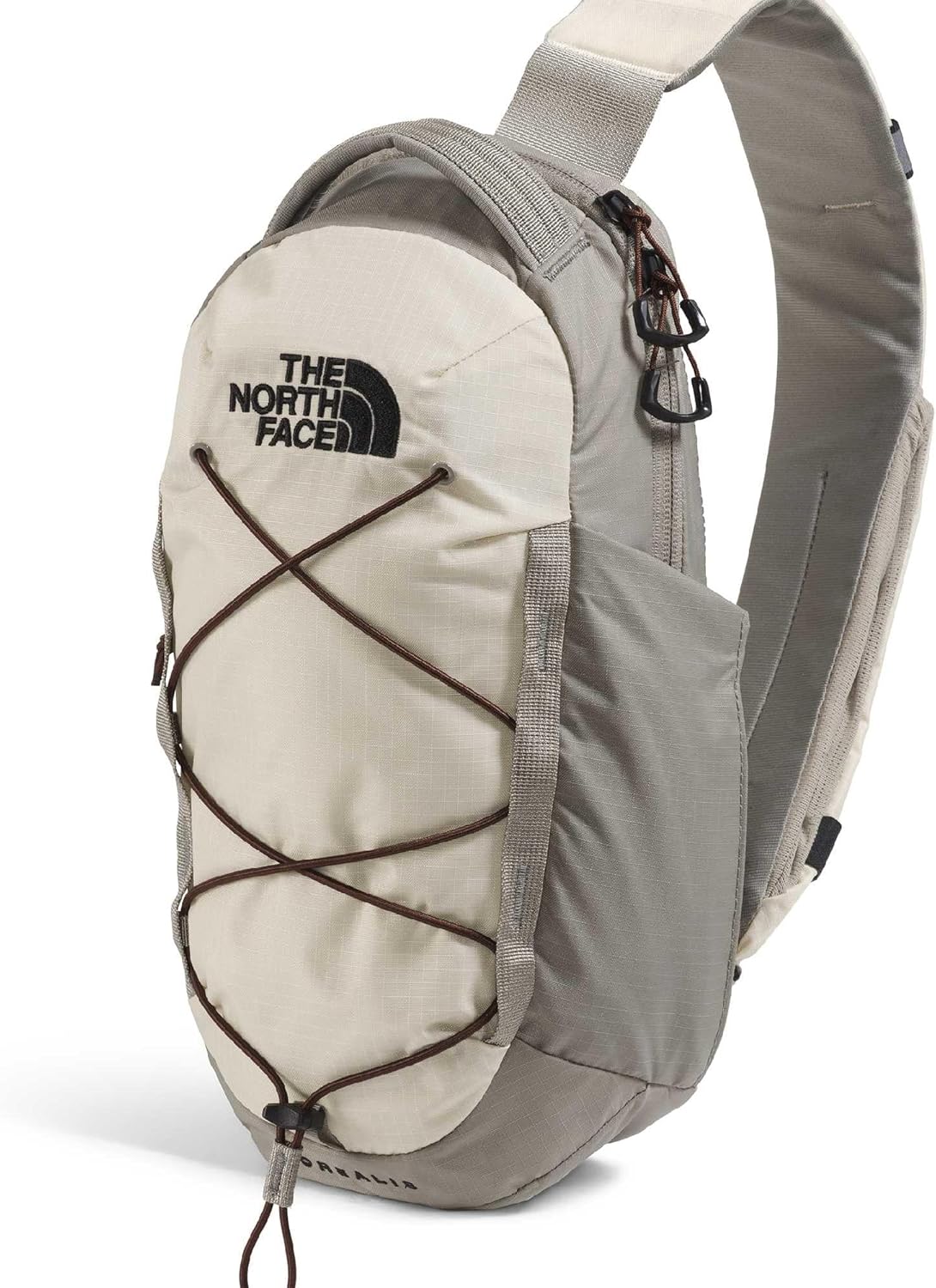
At that point you have two paths: warranty exchange (Osprey's All Mighty Guarantee covers fit issues at the company's discretion, though weight loss isn't formally listed) or a complete pack swap. For the interim — and for shorter hikes where you don't need 65 liters anyway — a lightweight daypack closes the gap. See our 2026 lightweight daypack roundup for a deeper comparison.
Three backup daypacks for weight-loss hikers in 2026
While you wait for an Osprey hipbelt swap (2-3 weeks via warranty) or save for a new smaller flagship, these three sub-$70 daypacks let you keep hiking without the saggy-pack problem. All three weigh under 2.5 pounds, fit waists from 24 to 40 inches without fin modification, and handle the 15-25 pound loads typical of day hikes and overnight ultralight trips.
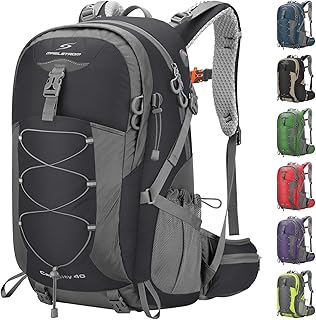
Maelstrom 40L Waterproof Hiking Daypack — best overnighter bridge pack
The Maelstrom 40L hits a sweet spot for hikers who've lost weight and find their 65L expedition pack overkill for weekend trips. It's waterproof, ships with a dedicated rain cover for monsoon-grade weather, and has dual aluminum stays that transfer load to the hipbelt. The hipbelt sizing cinches down to a 26-inch waist via simple webbing — no fin modification needed. The shoulder harness is fixed but works for torso lengths from 16-20 inches, covering most repositioned bodies. At under $50, it's a low-risk bridge while your Osprey is in the warranty queue.
Check the Maelstrom 40L on Amazon
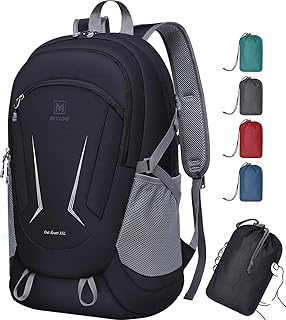
25L Lightweight Waterproof Hiking Daypack — best for day hikes after weight loss
If your weight loss came with a fitness gain (and it usually does), you'll find yourself wanting longer day hikes with less gear. This 25L daypack is built for that: under 1.5 pounds empty, waterproof shell, breathable mesh back, and a simplified webbing hipbelt that genuinely cinches to a 24-inch waist. There's no AntiGravity wizardry — but for sub-20-pound day loads, you don't need it. Ventilation is the standout feature; the mesh channels are deep enough to keep airflow under heavy sun loads.
Check the 25L Waterproof Daypack on Amazon
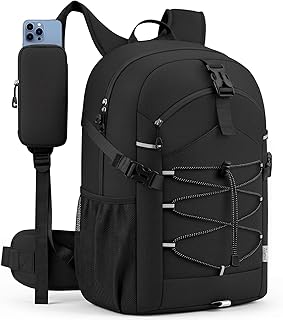
MIYCOO Ultra-Lightweight Packable Hiking Backpack — best stash pack
This is the pack you keep packed inside your bigger one. It folds to the size of a fist and deploys to a functional 20-liter daypack at base camp or for summit pushes. Weight-loss hikers love it because it lets you carry your big pack loosely while the MIYCOO handles your actual fit-critical daily kit. Not a primary recommendation, but a worthwhile $15 addition to any kit going through a fit transition.
Check the MIYCOO Packable Backpack on Amazon
Comparison: 2026 backup daypacks for resized hikers
| Pack | Volume | Weight | Min waist | Best for | 2026 price |
|---|---|---|---|---|---|
| Maelstrom 40L | 40L | 2.2 lb | 26" | Overnight/weekend bridge pack | ~$45 |
| 25L Lightweight Waterproof | 25L | 1.4 lb | 24" | Day hikes under 20 lb | ~$35 |
| MIYCOO Packable | 20L | 0.5 lb | 26" | Stashed summit/base camp pack | ~$15 |
How much weight loss triggers a resize Osprey AntiGravity suspension weight loss adjustment?
Field experience says 15-20 pounds is the trigger point. Below that, the hipbelt's normal velcro buckle range absorbs the change. At 20-50 pounds lost, you'll want to slide the harness ladder and pull the Fit-on-the-Fly fins inward. Beyond 50 pounds, plan on either a smaller hipbelt swap (order direct from Osprey) or a pack body downsize. Don't wait until shoulder soreness becomes chronic — load that should ride on hips will silently damage trapezius muscles over months.
For trekking pole length and trail shoe sizing — both of which also need recalibration after major weight loss — see our companion guides on re-fitting trekking poles after weight loss and trail shoe sizing for shrinking feet.
Frequently Asked Questions
Can I resize Osprey AntiGravity suspension myself or do I need to ship it to Osprey?
You can do 90% of the work yourself in under 15 minutes — torso slide, Fit-on-the-Fly fin adjustment, and re-tensioning all require no tools. The only reasons to ship to Osprey: ordering a different harness size (only available via warranty), swapping to a smaller hipbelt assembly with different fin geometry, or replacing torn AntiGravity mesh.
Will Osprey honor the All Mighty Guarantee for fit issues caused by weight loss?
Officially, the All Mighty Guarantee covers defects and damage, not body changes. In practice, Osprey customer service has consistently honored hipbelt swaps for weight-loss hikers as a goodwill gesture in 2026. Call before mailing anything. You'll typically pay only return shipping on a hipbelt-only swap.
How do I know if my new torso length is still inside my Osprey AG pack's range?
Re-measure C7 to iliac crest, then check your pack's size chart printed on the inside of the lid or stamped on the harness yoke. If your number is at the bottom of the range, slide the harness one notch up and test loaded. If you've dropped below the chart minimum, the pack body is too big — no harness slide will fix it.
Does the AntiGravity mesh lose tension over time the way suspension trampolines do?
Yes, but slowly — roughly 5-10% tension loss across 500+ trail miles, faster if stored compressed. After a weight-loss resize, also re-check mesh tension annually. If the lumbar mesh sags inward when you press it with a fist, the tension cords need replacement (a $25 part from Osprey).
Can I downsize my Osprey hipbelt without replacing the whole pack?
Yes. Both the Atmos/Aura AG and Aether/Ariel AG hipbelts are user-swappable via four hex screws hidden inside the lumbar pad. Order the smaller size directly from Osprey's parts site (usually $40-60 in 2026), unscrew the old belt, swap, retorque the screws. Takes 5 minutes.
Are there third-party hipbelts that fit an Osprey AntiGravity pack?
No — the AG mounting bracket is proprietary geometry. Use Osprey OEM parts only. The good news: Osprey's parts ecosystem is exceptional compared to other backpack brands, and they stock parts back to roughly 2018-era AG models.
What if my torso length keeps shrinking as I lose more weight in 2026?
Stand-up posture improvements typically taper after 50-60 pounds of loss. If you're still actively losing, recheck torso length every 25-30 pounds and re-slide the harness as needed. Once stable for 3+ months, commit to a hipbelt swap. Don't drop big money on a brand-new smaller pack until your weight has plateaued — premature downsizing leaves you with two ill-fitting packs instead of one well-resized one. When you do resize Osprey AntiGravity suspension weight loss adjustments correctly, the original pack will outlast the goal weight.
Key Takeaways
- Choosing the right resize Osprey AntiGravity suspension weight loss means matching capacity and output ports to your actual devices
- Always check actual watt-hours (Wh), not just watts — runtime depends on Wh, not peak output
- Also covers: Osprey AntiGravity hipbelt adjustment
- Also covers: refit Osprey pack after losing weight
- Also covers: AntiGravity torso length resize
- Compare price-per-Wh across models to find the best value for your budget