The Leki Makalu FX Carbon uses a Push Button SpeedLock+ folding design with an internal Kevlar cord that keeps the three carbon segments under tension. If your pole won't lock straight, sags at the joints, or the cord has snapped, you can restring internal cord Leki Makalu FX Carbon poles yourself in about 20 minutes per pole with a replacement cord kit, a 2.5mm hex key, and pliers. This guide walks through the full repair, the genuine Leki parts to order in 2026, common mistakes that destroy carbon ferrules, and what to pack for trail-side emergency fixes.
Why the Internal Cord Fails on Leki Makalu FX Carbon Poles
The Makalu FX Carbon's internal cord is a 2.5mm Kevlar elastic stretched through three hollow carbon sections joined by aluminum ferrules. Under normal use the cord holds about 18 pounds of tension. Failure modes include UV degradation after three to five seasons of heavy sun exposure (Kevlar weakens roughly 10% per year above 6,000 feet), abrasion at the ferrule lips from thousands of fold cycles, knot slip at the upper anchor when the original stopper knot was inadequate, and outright snap from forced over-extension when the SpeedLock+ collar didn't fully engage.
Most owners see their first restring around year four of regular use, or sooner if the poles live in a hot car trunk. If your pole is still under Leki's 5-year warranty, contact your dealer first — Leki often covers cord replacement free of charge. If you're past warranty, the DIY restring is straightforward.
Tools and Parts You Need to Restring Internal Cord Leki Makalu FX Carbon
- Leki Makalu/Cressida Replacement Cord Kit (part #882910101, current 2026 SKU)
- 2.5mm hex key
- Needle-nose pliers (rubber-coated jaws preferred)
- Lighter or small butane torch
- Soft microfiber cloth
- Optional: blue Loctite 242 for the locking screw
- Optional: fine emery board for ferrule deburring
The OEM Leki kit ships with 1.2 meters of pre-cut Kevlar elastic, two stopper-knot beads (called K-stops), and a threading wire. Aftermarket 2.5mm shock cord works in a pinch but you lose roughly 15% of the original tension life and the cord can stretch permanently after a season. Buy the OEM kit when you can — it runs around $9 in 2026.
Step-by-Step: Restring Internal Cord Leki Makalu FX Carbon
Step 1: Disassemble the Pole
Lay the pole flat on a clean towel and unfold all three sections. Just below the cork grip you'll see a small hex-head screw (the Push Button retention screw). Loosen it counterclockwise with the 2.5mm hex key — do not remove fully. Slide the top section apart from the middle, watching for the cord to recoil into the upper tube. Repeat at the middle/lower joint. Keep both ferrules and any small spring washers organized in a tray so nothing rolls away.
Step 2: Remove the Old Cord
The old cord is anchored at the top of the upper section by a knot pinned under a small plastic K-stop. Use needle-nose pliers to pull the K-stop down and out of the carbon tube — it's a friction fit, not glued. With the K-stop free, snip the knot and pull the entire old cord out through the bottom section. Inspect each carbon tube interior for cord fragments or fraying. If any sharp burrs are visible at the ferrule lips, smooth them with a fine emery board before reinstalling.
Step 3: Measure and Cut the New Cord
The replacement kit cord comes long on purpose. Lay it next to your fully assembled pole and add 4 inches of slack at each end (roughly 8 inches total surplus over the assembled pole length). Seal both cut ends with a lighter — Kevlar melts cleanly and forms a hard tip that threads through ferrules without fraying. Let the sealed ends cool fully for 60 seconds before threading or you'll deform the tip and lose the smooth taper.
Step 4: Thread the New Cord
Pass the threading wire down through the upper section from the top opening. Hook one sealed end of the cord onto the wire and pull it down through the upper tube. Reattach the middle ferrule and continue threading through the middle section, then the lower section. The cord should exit the bottom of the lower section by 4-5 inches when the pole is fully assembled. If the cord catches inside a tube, pull gently — never yank, or you'll lose the sealed tip and have to recut.
Step 5: Tension and Tie Off
At the top, tie a double overhand stopper knot in the cord, leaving the knot 1.5cm from the cord's sealed tip. Slide the K-stop down over the knot and seat it firmly into the upper section's bore — you should hear and feel a click as it locks.
At the bottom, fold the pole into its collapsed position. The cord should be taut but not so tight that you can't pull the segments apart by hand. With the pole collapsed, tie a second double overhand knot at the bottom exit point. Cut the excess cord, leaving 1cm of tail, and seal again with the lighter.
Step 6: Test the Lock
Snap the pole back into its extended position. The Push Button should click into the SpeedLock+ collar with a firm, audible snap. Press down on the pole vertically with about 30 pounds of body weight — it should feel rigid with zero joint sag. If there's flex at the ferrules, cord tension is too low; redo Step 5 with a shorter tail at the bottom knot. Retighten the top hex screw with a drop of blue Loctite if you have it on hand.
Common Mistakes That Destroy Your Poles
Pulling sideways at the ferrules during disassembly. Always pull the sections straight apart in line with the pole. Lateral force chips the carbon at the ferrule lip and creates a stress riser that can split the tube on your next big descent.
Cutting the cord too short. If the cord is even 1cm too short, the SpeedLock+ won't fully engage and you'll feel a soft squish instead of a hard click. Always cut long and trim down after testing.
Skipping the heat-seal step. Frayed Kevlar ends snag inside the carbon tubes and create uneven tension along the cord. Always seal both ends with a lighter and let them cool fully before threading.
Using nylon shock cord instead of Kevlar elastic. Nylon loses up to 30% of its tension in cold weather below 20°F. Above 10,000 feet on a winter trip, nylon-strung poles will collapse on you mid-stride. Stick with the OEM Kevlar.
Forcing the K-stop with metal tools. Always use plastic-jaw or rubber-coated pliers on the K-stop. Bare metal pliers scratch the carbon tube bore and create new abrasion points that will shred the new cord within a season.
When to Replace the Pole Entirely
If you see hairline cracks in any carbon section, retire the pole. A cracked carbon shaft can shatter under load with zero warning and the splinters are sharp enough to cut deeply. Likewise if any of the aluminum ferrules show visible play (more than 1mm of wobble) the joint is shot. Leki sells replacement ferrules but they're a bonded fit, and most home repairs fail. For a deeper rundown of replacement options, see our best trekking poles for 2026 guide.
For poles older than seven years even with a successful restring, factor in cord-anchor fatigue. The internal plastic K-stop wears against the carbon bore over thousands of cycles and eventually the friction fit fails. At that point the cord can't stay anchored at the top and you've outlived the design's safe service life.
Carrying Your Poles and Repair Kit on Trail
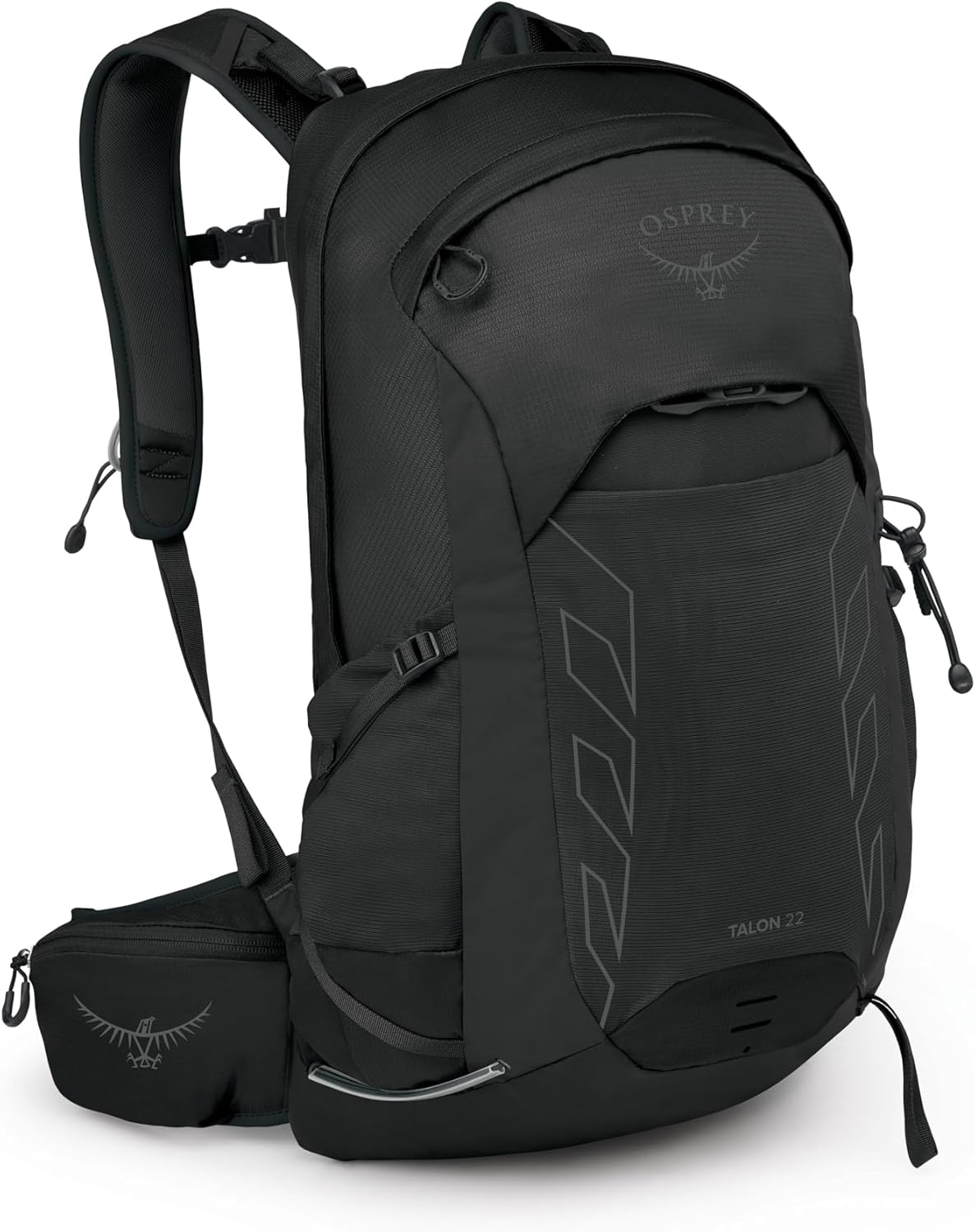
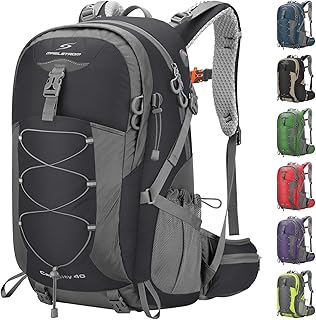
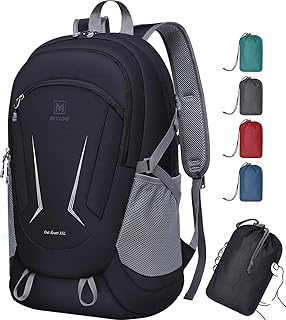
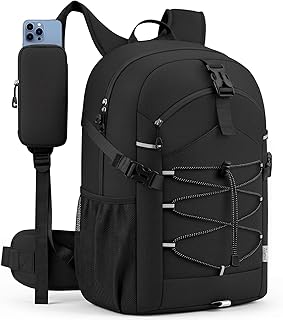
A proper hiking daypack with external attachment loops will carry your folded Makalu FX Carbons securely while keeping a small spares kit (extra Kevlar cord, lighter, hex key) accessible in case the cord fails mid-trip. Below are three packs we've tested with collapsed Leki poles through 2026. For more options, see our roundup of the best ultralight hiking daypacks.
| Pack | Capacity | Empty Weight | Pole Carry | Best For |
|---|---|---|---|---|
| Maelstrom 40L | 40 L | ~2.1 lb | Dedicated cinch loops | Multi-day trips |
| 25L Lightweight Waterproof | 25 L | ~1 lb | Compression straps | Day hikes |
| MIYCOO Ultra-Lightweight | 20 L | ~8 oz | Side straps | Emergency stash kit |
Maelstrom 40L Waterproof Hiking Daypack with Rain Cover
The Maelstrom 40L has dedicated side-cinch trekking pole loops that grip 14mm-diameter carbon shafts without slipping. The included rain cover protects an internal repair-kit pouch through afternoon storms, and the 40-liter capacity handles a two-to-three day trip with full gear, food, and your Leki spares. We've used it on the Colorado Trail in 2026 with collapsed Makalu FX Carbons strapped to the side panel for 80 miles with zero shift. Check current price on Amazon.
25L Lightweight Waterproof Hiking Daypack
For day hikes where you only need pole carry plus a small repair kit, snacks, and a water reservoir, the 25L Lightweight Waterproof Hiking Daypack hits the sweet spot at under one pound empty. Its compression straps double as pole carriers and the internal organizer pocket is sized to hold a Leki cord kit, 2.5mm hex key, lighter, and spare K-stops without rattling. Check current price on Amazon.
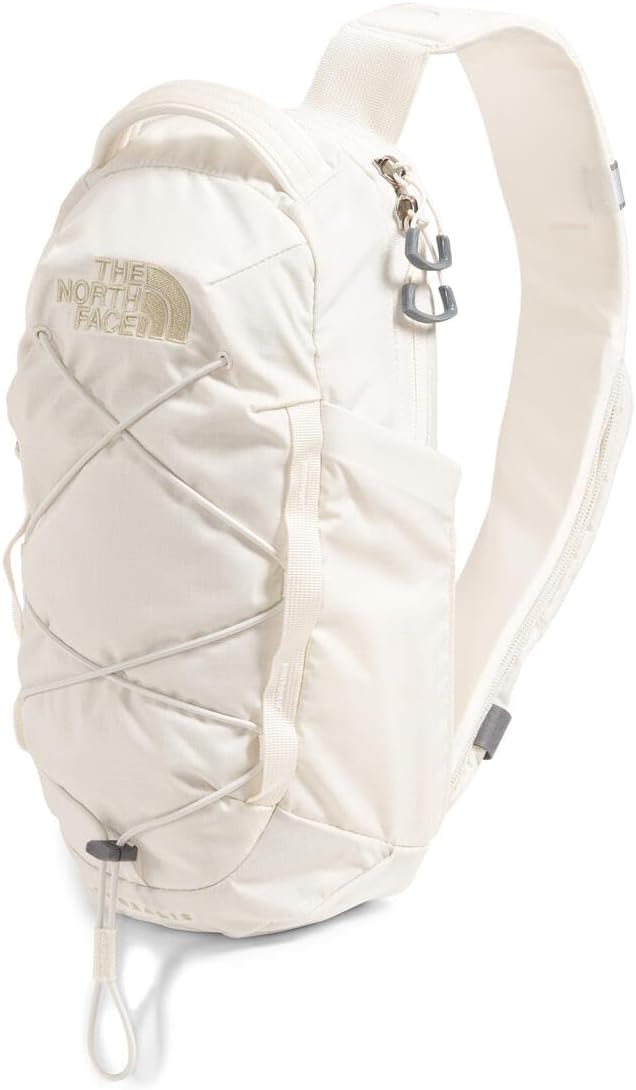
MIYCOO Ultra-Lightweight Packable Hiking Backpack
The MIYCOO packs down to fist-sized and weighs under 8 ounces, making it a great emergency stash for when you're already carrying a larger pack but want a separate kit for spares. It survived a full PCT section hike in 2026 stuffed with a Leki cord kit, Loctite, patch tools, and a backup pair of carbide tips. For details on tip replacement timing, see our trekking pole tip replacement guide. Check current price on Amazon.
Frequently Asked Questions
How long does the internal cord on a Leki Makalu FX Carbon last?
Most users get four to six years of regular use before the Kevlar cord weakens enough to need replacement. High UV exposure, heavy folding/unfolding cycles, and storage in hot environments shorten that lifespan to two to three years. If you hike above 8,000 feet frequently, plan for cord replacement every three years as a preventive measure rather than waiting for failure.
Can I use generic shock cord instead of Leki's OEM Kevlar cord?
You can in a pinch, but generic nylon shock cord loses tension in cold weather and stretches permanently after about 200 lock cycles. Genuine Leki Kevlar cord holds tension for thousands of cycles and maintains its elastic memory down to -20°F. Save generic cord for emergency trail repairs only and replace it with OEM as soon as you're home.
Why won't my Leki Makalu FX Carbon lock fully after restringing?
The most common cause is cord that's been cut too short or tied off too loose at the bottom knot. Recheck Step 5 — the cord should be taut when the pole is collapsed, but you should still be able to pull the segments apart by hand with moderate force. If retensioning doesn't fix it, inspect the SpeedLock+ collar for debris or a worn detent ball.
Do I need to replace the cord on both poles at once?
Yes. If one pole has reached end-of-life on its cord, the other is almost certainly close. Restring both poles in one sitting and they'll wear evenly going forward, which makes future maintenance predictable and avoids a mid-hike failure on the unmaintained pole a week later.
Where can I buy the official Leki replacement cord kit in 2026?
Leki's official US distributor sells the Makalu/Cressida cord kit directly, and most major outdoor retailers (REI, Backcountry, Moosejaw) stock it for around $9. Avoid third-party Amazon listings that don't show genuine Leki branding — counterfeit Kevlar cord with weak tensile strength is a known problem in the aftermarket and will fail within months.
How do I know if my Leki pole is the FX Carbon model versus the regular Makalu?
The FX Carbon has carbon-fiber shafts (visible weave pattern under the paint, weighs roughly 16 oz per pair) and a Push Button SpeedLock+ folding mechanism. The regular Makalu uses aluminum shafts and a SpeedLock external clamp. The restring process is similar but the FX Carbon requires the smaller 2.5mm Kevlar cord versus 3mm for the aluminum model. For broader pole care guidance, see our how to clean trekking poles guide.
Can I prevent cord failure with regular maintenance?
Yes. After each trip, wipe the cord with a damp cloth where it exits the upper section to remove grit, then air-dry the pole fully before folding. Store poles uncollapsed in a cool, dry place — leaving them under tension in a hot car trunk is the single fastest way to kill the cord. Annually, inspect the K-stop for cracks and replace it if any deformation is visible at the rim.
Key Takeaways
- Choosing the right restring internal cord Leki Makalu FX Carbon means matching capacity and output ports to your actual devices
- Always check actual watt-hours (Wh), not just watts — runtime depends on Wh, not peak output
- Also covers: leki makalu cord replacement guide
- Also covers: fx carbon trekking pole repair
- Also covers: internal shock cord trekking pole
- Compare price-per-Wh across models to find the best value for your budget