To rewax cotton canvas Fjallraven Kanken hike packs, clean the bag of trail dirt, rub Fjallraven Greenland Wax (a beeswax and paraffin block) into dry canvas in thin, even passes, then heat-set the wax with a hair dryer, warm iron, or a sunny window until it melts into the fibers. Done correctly, a single 30-45 minute session restores the original water-repellent finish on a faded vintage Kanken and should hold for another full hiking season. This 2026 guide covers everything: which Kanken models actually use waxable G-1000 canvas (not all of them do), the cheapest acceptable wax substitutes when Greenland Wax is sold out, exact heat-setting temperatures, drying time before your next trail day, and which lightweight modern daypacks to carry while your vintage shell cures on a hanger overnight.
Why Your Vintage Kanken's Wax Coating Wore Off
Fjallraven's G-1000 fabric — the dense polyester/cotton canvas used on Classic G-1000, Re-Kanken, and the heritage Kanken No. 2 — leaves the factory with a thin coat of Greenland Wax baked into the weave. That wax does three jobs: it sheds light rain, blocks UV damage to the cotton fibers, and gives the canvas its signature stiff, slightly waxy hand. Every wash cycle, every desert sun-soak, every season of pack-strap friction strips a little of that coating off. After three or four years of regular trail use, you'll notice the canvas going soft, fuzzy, and dark when it gets wet — classic signs the wax is gone and the cotton is now soaking through.
Rewaxing isn't optional for serious vintage Kanken users. Without the wax, the cotton component absorbs moisture, gets heavy, and (worst case) mildews against your back on multi-day trips. The good news: it's a 20-dollar fix you can do at the kitchen table in under an hour.
Identify Your Kanken Before You Wax Anything
Not every Kanken takes wax. Before you do anything, check the inside label and confirm you have a G-1000 model. The standard Vinylon F Kanken Classic (the school-bag version sold in 50+ colors) is NOT waxable — applying Greenland Wax to synthetic Vinylon F just makes a sticky mess that won't bond. The Kanken models that DO accept wax are:
- Kanken No. 2 — the heritage canvas version with leather bottom and handles
- Re-Kanken in G-1000 — limited recycled-canvas runs from 2015-2019
- Kanken Hike — the trail-oriented model with a hip belt
- Singi 20/28 backpacks — technically not Kanken but use identical G-1000 HeavyDuty
Look for the small triangular tag inside the main compartment. If it says “G-1000 HeavyDuty” or “G-1000 HeavyDuty Eco,” you're good to wax. If it says “Vinylon F” or “polyester,” stop and just clean the bag instead — wax will only attract dirt.
Materials You Need to Rewax Cotton Canvas Fjallraven Kanken Hike Packs
- One block of Fjallraven Greenland Wax (~$12, lasts five rewaxes). Substitute: 70% beeswax + 30% paraffin block from a saddle shop works identically.
- A hair dryer on high heat, OR a clothes iron set medium-low (no steam), OR a heat gun on its lowest setting.
- A clean dry brush — a horse-grooming dandy brush or soft-bristle shoe brush.
- A lint-free cotton rag.
- Mild soap (Dr. Bronner's, Nikwax Tech Wash, or unscented dish soap) and a bucket of lukewarm water.
- A drying space out of direct sun for 12-24 hours.
Step-By-Step: How to Rewax Your Kanken
Step 1 — Empty and Inspect
Pull everything out, including the seat-pad insert. Turn the pack inside out and shake loose any trail grit. Check seams and stitching — if any have started to fray, repair them with waxed thread BEFORE rewaxing, because wax will fix the fray in place and make later sewing significantly harder.
Step 2 — Wash the Canvas
Hand-wash only. Machine washing destroys the leather details on Kanken No. 2 models and can warp the foam back panel on the Hike. Fill a bucket with lukewarm water and a tablespoon of Nikwax Tech Wash. Use the brush to scrub away ground-in dirt, sap, and old failed wax. Rinse thoroughly — any soap residue left in the canvas will prevent the new wax from bonding evenly.
Step 3 — Dry Completely
This is the step everyone rushes. The canvas must be 100% dry before wax goes on, or you'll seal moisture into the fibers and grow mildew inside the weave. Hang the pack indoors with a fan blowing on it for at least 24 hours. Resist the urge to use a clothes dryer — heat at that intensity can shrink the cotton component and pucker the seams permanently.
Step 4 — Apply the Wax
Lay the Kanken flat on a clean towel. Rub the Greenland Wax block firmly across the canvas in straight, overlapping passes — like you're coloring with a crayon. Work one panel at a time: front pocket, main body front, sides, bottom, then back panel. Use extra wax on high-wear zones (bottom corners, around the top zipper, under the shoulder strap anchors). Don't try to apply wax to the leather trim — that's what a separate beeswax leather conditioner is for.
Step 5 — Heat-Set the Wax
This is the step that actually waterproofs the bag. Cold wax just sits on top of the weave; melted wax soaks into the cotton fibers and bonds permanently. Three options:
- Hair dryer (easiest): Hold 6 inches from the canvas on high heat. Sweep slowly across each panel for 30-45 seconds. You'll see the wax go from chalky white to translucent — that's the bond point.
- Iron (fastest): Medium-low, NO steam. Place a clean cotton sheet between iron and canvas. Press for 5-10 seconds per spot.
- Sunny window (zero-effort): Lay the pack in direct sun for 4-6 hours on a 75°F+ day. Works but uneven.
Step 6 — Cure for 24 Hours
Hang the pack in a cool dry place overnight. The wax needs to fully set into the weave before you load and hike with it. If you can, give it a full 48 hours — the longer cure noticeably improves water beading on the first rainstorm.
Backup Daypacks to Carry While Your Kanken Cures
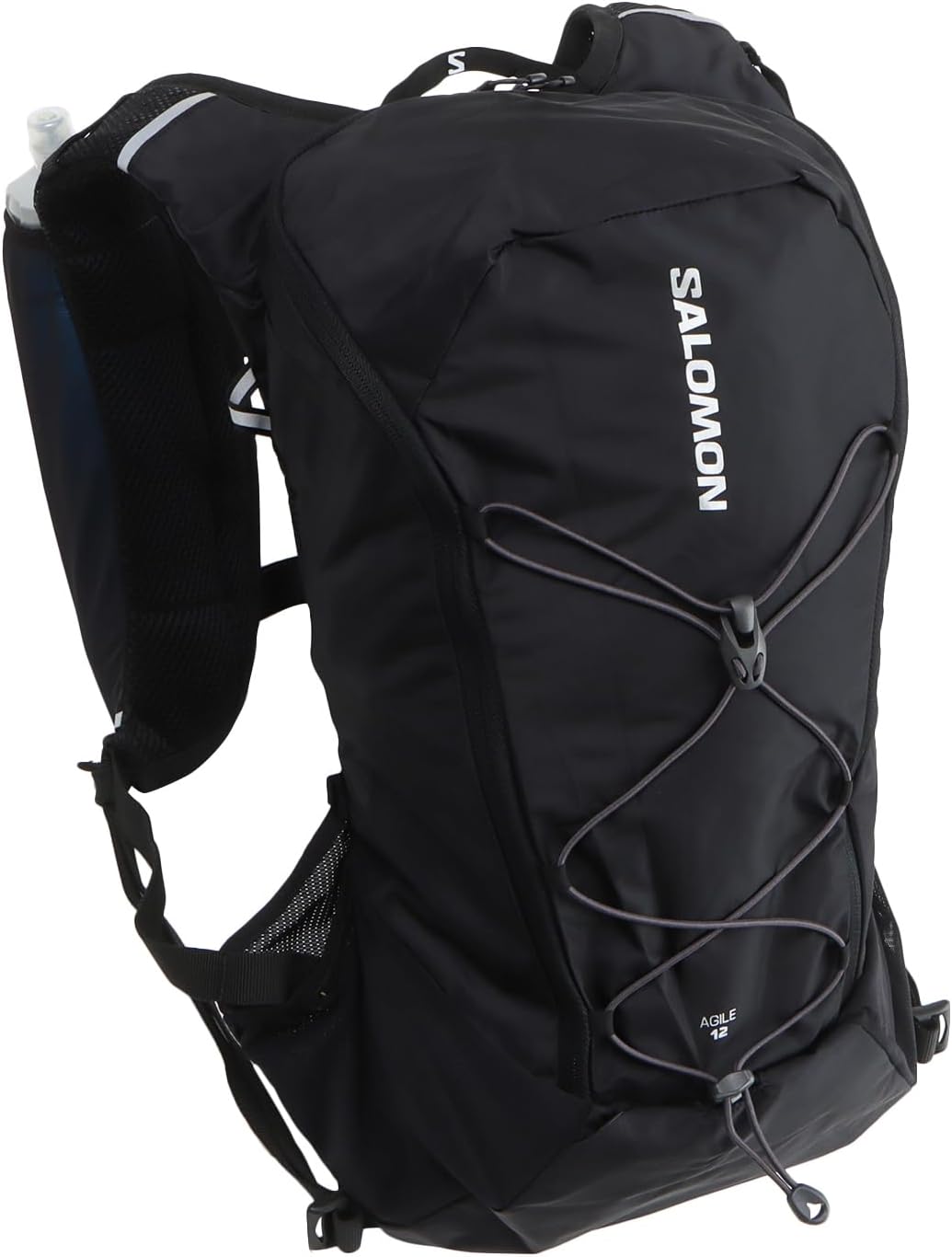
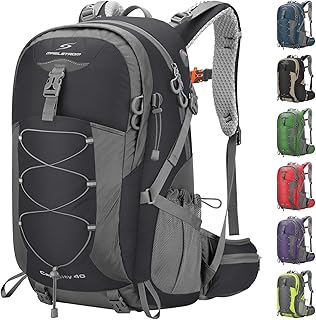
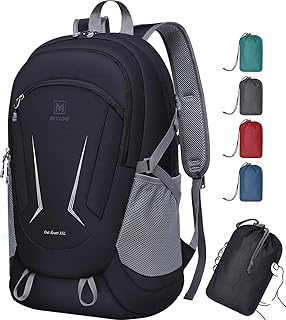
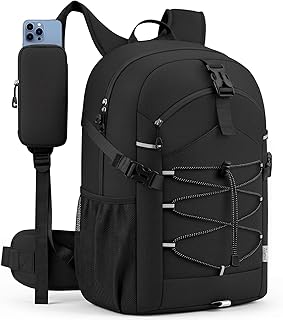
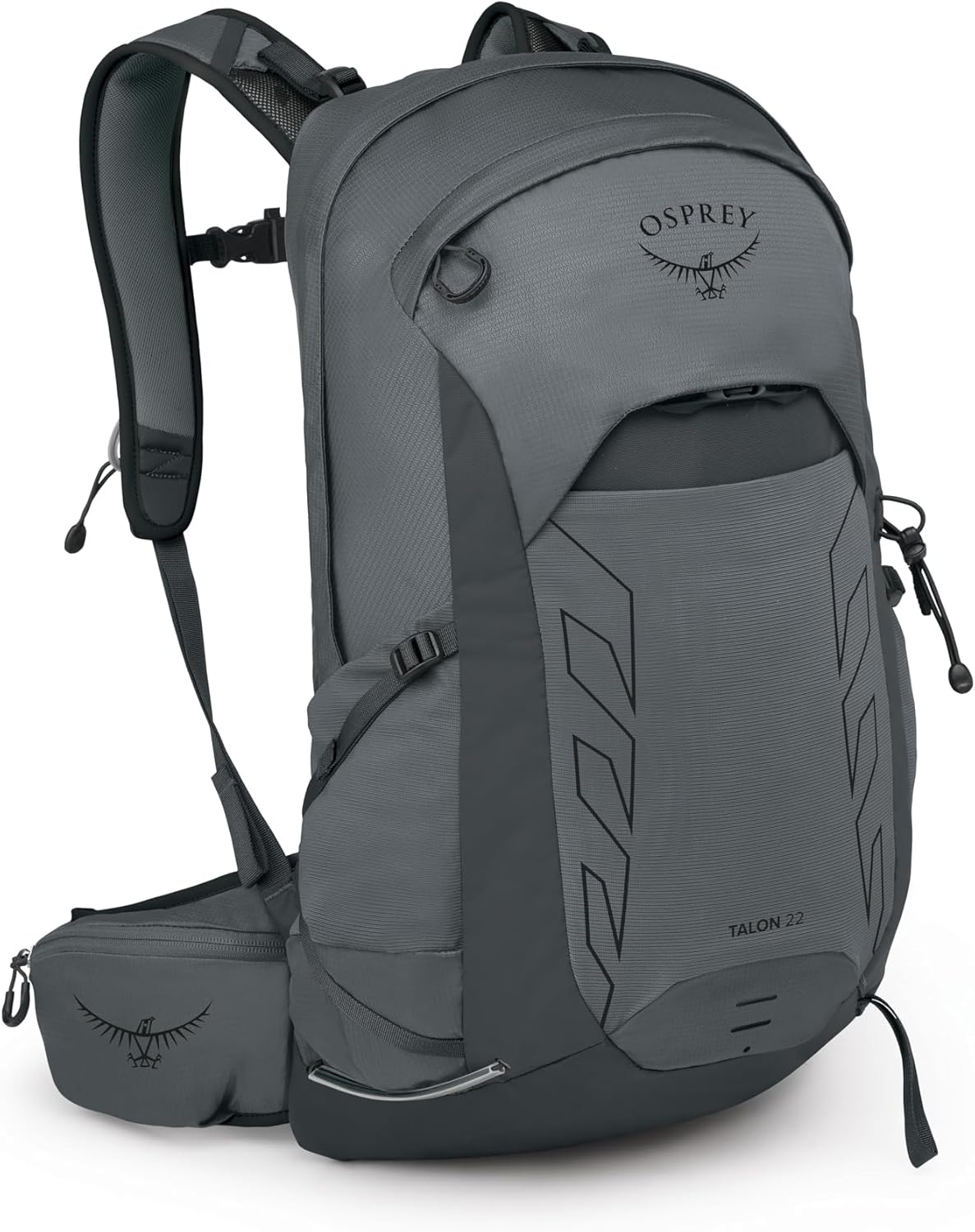
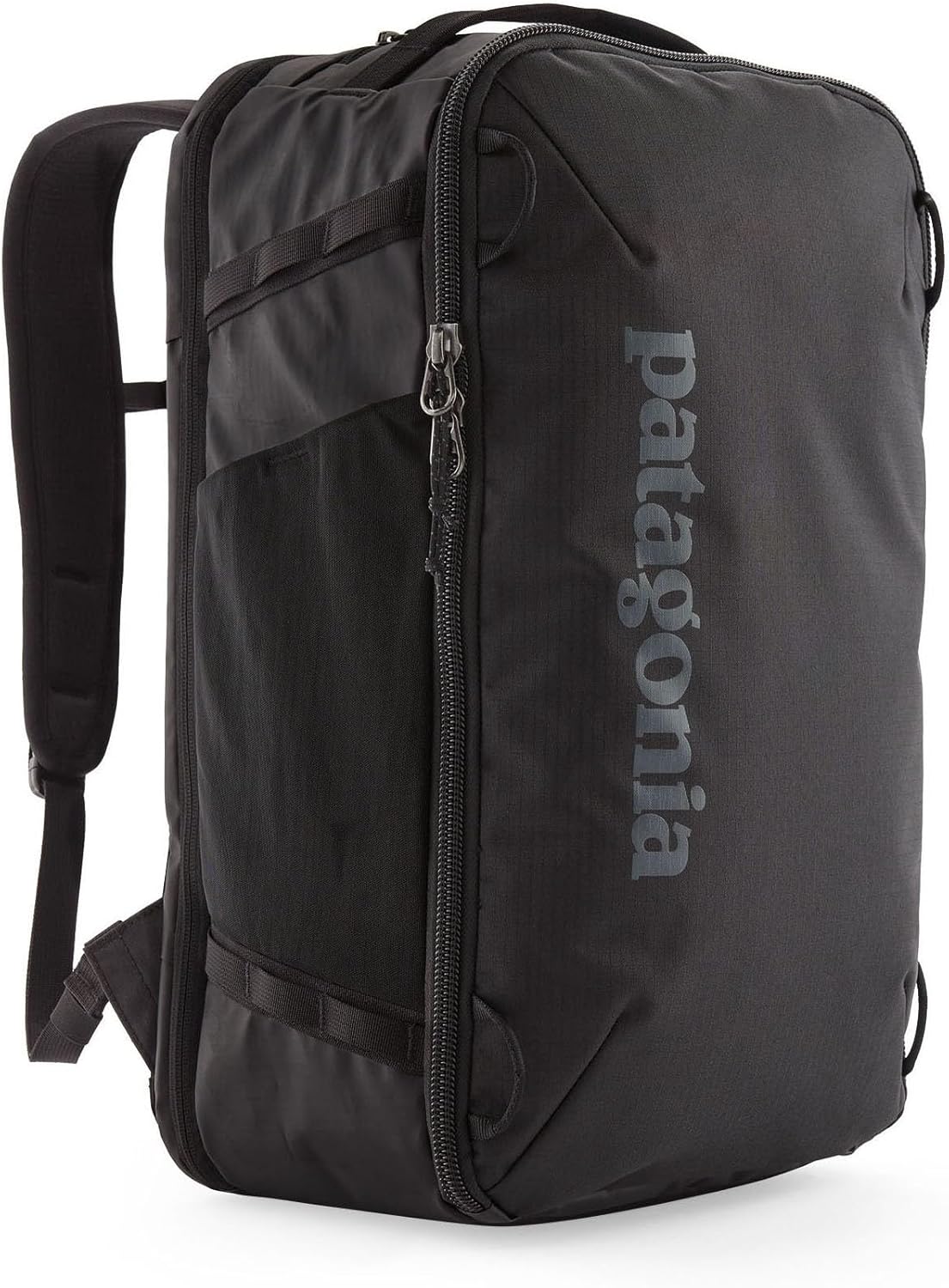
Most people only own one trail-grade pack, which means rewaxing day = no hiking. The fix is keeping a cheap, lightweight backup daypack in the closet for these exact moments. Here's how three popular 2026 budget options compare for 1-3 day backup duty:
| Pack | Capacity | Waterproofing | Best For | Weight |
|---|---|---|---|---|
| Maelstrom 40L | 40L | Built-in rain cover | Overnight + day hikes | 2.2 lb |
| 25L Lightweight Daypack | 25L | Coated waterproof shell | Day hikes | 1.4 lb |
| MIYCOO Packable | 20L | Water-resistant nylon | Travel/emergency backup | 0.5 lb |
Maelstrom 40L Waterproof Hiking Daypack with Rain Cover
If your Kanken is your overnight pack, the Maelstrom 40L is the closest like-for-like backup at a budget price. It carries a similar load (40L vs the Kanken Hike's 35L), has a real internal frame for hip-belt load transfer, and ships with a dedicated rain cover that solves the same problem rewaxing solves for the Kanken. The padded laptop sleeve doubles as a hydration bladder pocket on trail, and the side compression straps cinch down nicely when you're carrying less. Check current price on Amazon.
25L Lightweight Waterproof Hiking Daypack
For day hikes only, 25L is plenty and the coated nylon shell sheds rain about as well as a freshly-waxed Kanken. The advantage here is weight — at 1.4 pounds empty, it's noticeably lighter than a heritage canvas pack, and the chest strap plus mesh back panel ventilate better in summer heat. Good choice for the day after rewaxing when you want to test trails without risking your fresh wax job in surprise weather. View the 25L daypack on Amazon.
MIYCOO Ultra-Lightweight Packable Hiking Backpack
The MIYCOO is the “always in the closet” emergency pack. It compresses down to roughly fist-size, weighs under 9 ounces, and costs less than a single block of Greenland Wax. It won't replace a Kanken for serious miles, but it's perfect for the rewax cure window when you just need to grab water and a jacket for a quick local trail. Throw it in luggage too — it's a legitimate carry-on personal item and weighs nothing. See the MIYCOO on Amazon.
Common Rewaxing Mistakes (and How to Avoid Them)
- Over-applying wax. More wax does not mean more waterproofing. Excess wax sits on the surface, attracts dirt, and stiffens the canvas painfully. Two thin coats beats one thick coat every time.
- Skipping the heat step. Unmelted wax washes off in the first rain. If you can still see white streaks after heating, hit those zones again.
- Waxing wet canvas. Causes permanent water spots and trapped mildew. Always 100% dry first.
- Using an iron on a synthetic Kanken Classic. Will melt the Vinylon F fabric. Only iron G-1000 models.
- Forgetting the seams. Stitch lines are where leaks start. Run extra wax along every seam and heat-set carefully.
How Often Should You Rewax?
Knowing when to rewax cotton canvas Fjallraven Kanken hike packs is mostly about reading the canvas. For a Kanken Hike used 1-2 times per week, rewax every 6-9 months, or whenever water stops beading on the canvas. Casual day-hikers can stretch to 12-18 months between treatments. Pay attention to the bottom panel — that's where wax wears off first from setting the pack down on rocks and gravel at every snack break.
Looking to refresh other hiking gear at the same time? Check our guides on best hiking backpacks for 2026, top trekking poles under $100, and trail running shoes for technical terrain.
Frequently Asked Questions
Can I use beeswax instead of Fjallraven Greenland Wax on a Kanken?
Yes, with caveats. Pure beeswax works but stays sticky in warm weather. Fjallraven's Greenland Wax is roughly 60% paraffin and 40% beeswax, which is what gives it the right hardness. A DIY blend of 70% beeswax + 30% paraffin (from a hardware store candle) is the closest cheap substitute and performs nearly identically in side-by-side rain tests. Avoid carnauba wax — it's too brittle for canvas.
How do I rewax a Kanken with leather trim without ruining the leather?
Mask the leather sections with painter's tape before applying wax to the canvas. Heat-set the canvas, peel the tape, then condition the leather separately with a beeswax leather balm. Greenland Wax will darken vegetable-tanned leather and is hard to remove, so masking is non-optional on Kanken No. 2 and Singi models. Take five extra minutes here — it's the difference between a clean restoration and a permanently splotchy bag.
Does rewaxing make the Kanken fully waterproof?
No — water-resistant, not waterproof. Heavy sustained rain will eventually soak through any waxed cotton canvas, especially through the YKK zipper teeth. For genuine all-day storm protection, layer a packable rain cover over the rewaxed Kanken. The wax handles drizzle, mist, and brief showers without issue, which covers about 90% of real-world hiking conditions.
Can I rewax a Kanken Classic (not G-1000)?
No. The Kanken Classic uses Vinylon F, a synthetic fiber that doesn't absorb wax. Applying Greenland Wax to a Classic creates a sticky surface coating that attracts dirt and never properly bonds. For Vinylon F Kankens, use a spray-on DWR (durable water repellent) treatment like Nikwax TX.Direct instead — it's chemically designed for synthetic shells.
How long does a Kanken rewax actually last on a thru-hike?
On a 2-3 week section hike of the PCT or AT in 2026, expect the wax to noticeably weaken after 10-14 days of daily use, especially around shoulder strap rub zones. Pack a small Greenland Wax travel block (2.5oz) and spot-touch every 5 days. A full rewax cycle in the field takes about 20 minutes using a backpacking stove flame held a safe distance away as the heat source.
Will rewaxing change the color of my vintage Kanken?
Slightly, yes. Wax darkens canvas by 1-2 shades when fresh, then lightens back closer to original as it cures over the first week. Light-colored Kankens (sand, fog, ochre) show the most color change. Don't be alarmed if your “sand” Kanken looks “khaki” for the first few days post-wax — it'll fade back as the wax fully sets into the weave.
Is there a faster alternative to rewaxing for emergency trips?
Yes — Nikwax Cotton Proof is a spray-on water repellent that takes 10 minutes to apply and 30 minutes to dry. It's not as long-lasting as a proper wax cure (maybe 2-3 hikes vs 6+ months), but if you've got a Saturday morning trail planned and just realized your Kanken is soaking through, it's a legitimate stopgap. Apply outdoors, two light coats, air-dry on a hanger, and you're hiking by lunch.
Key Takeaways
- Choosing the right rewax cotton canvas Fjallraven Kanken hike packs means matching capacity and output ports to your actual devices
- Always check actual watt-hours (Wh), not just watts — runtime depends on Wh, not peak output
- Also covers: fjallraven g1000 wax tutorial
- Also covers: kanken canvas waterproofing
- Also covers: greenland wax application kanken
- Compare price-per-Wh across models to find the best value for your budget